Open Nav


SMT PCB Assembly China has become one of the most searched topics for Hardware Startups, Industrial Electronics brands, and overseas buyers who need fast, reliable, and cost-effective circuit board production. In 2026, China still holds more than half of global SMT processing capacity, and the ecosystem around PCB Fabrication, Component Sourcing, Smt Placement, testing, and final assembly is unusually mature. But “cheap” is no longer the main advantage. The real value today lies in speed, flexible capacity, advanced inspection, and the ability to support both small-batch NPI and large-scale Manufacturing.
This guide explains what SMT PCB Assembly actually is, how the process works in Chinese factories, what capabilities matter in 2026, and how to choose a supplier without getting trapped by misleading quotes or poor Quality Control. If you are sourcing from China for the first time, these basics will help you avoid expensive mistakes.
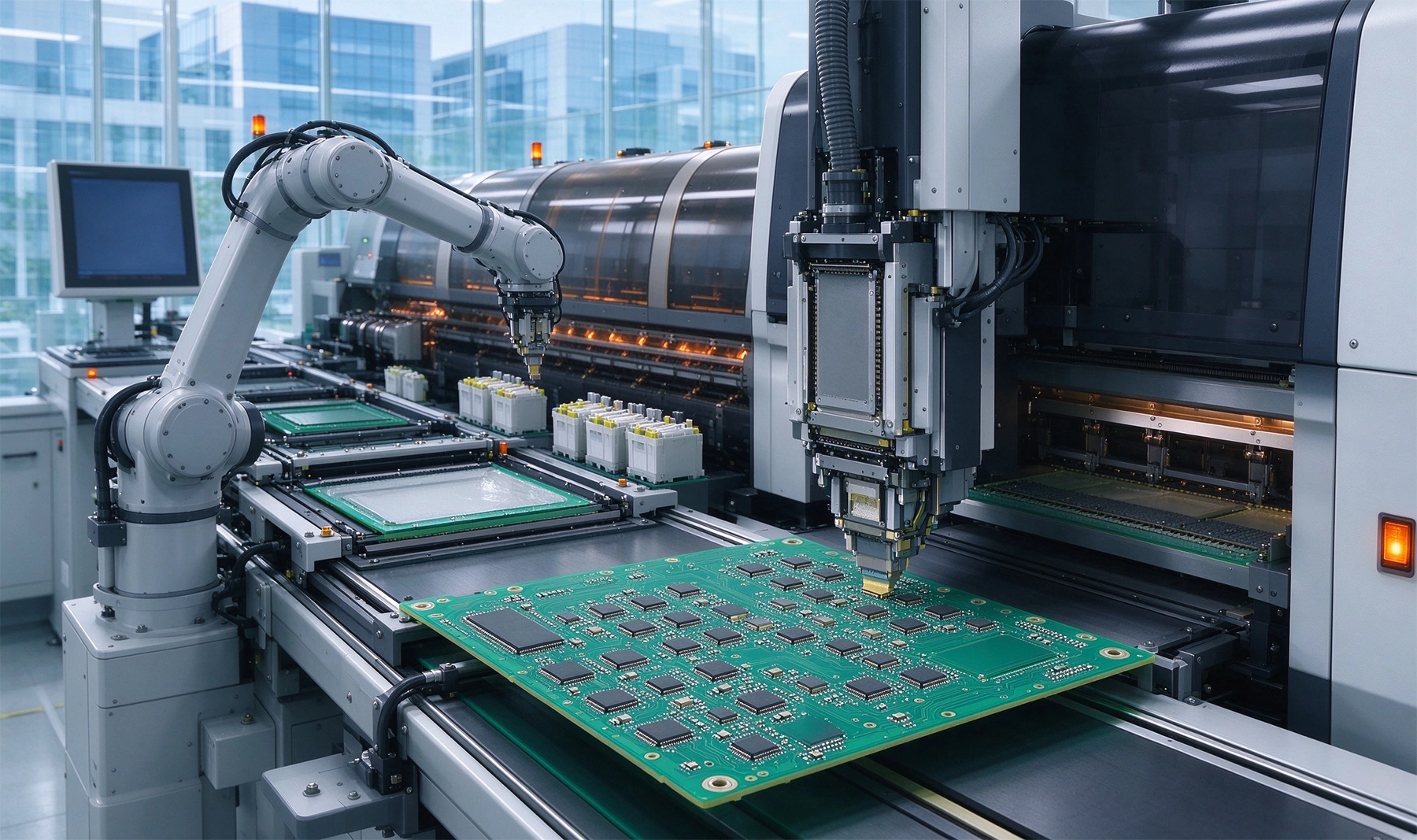
SMT stands for Surface Mount Technology. It is the process of mounting Electronic Components such as resistors, capacitors, ICs, MOSFETs, connectors, and BGAs onto a printed circuit board using Solder Paste, precision placement machines, and Reflow Soldering. Unlike traditional through-hole technology, SMT components are placed directly on the surface of the Pcb, which allows higher density, smaller boards, faster production, and better consistency.
In most modern electronics, SMT accounts for the majority of assembly work. A typical Pcba process includes Solder Paste Printing, component placement, Reflow Soldering, inspection, testing, and sometimes Conformal Coating, box-build assembly, or final packaging.
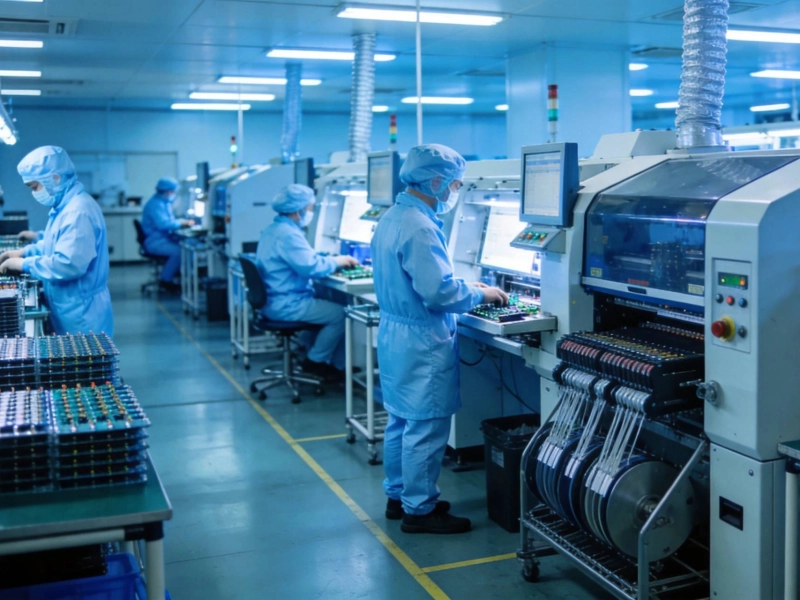
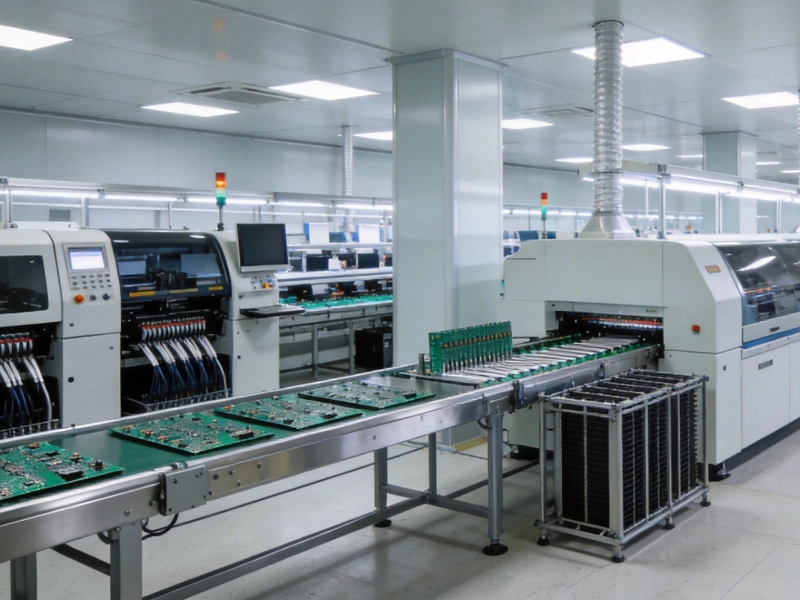
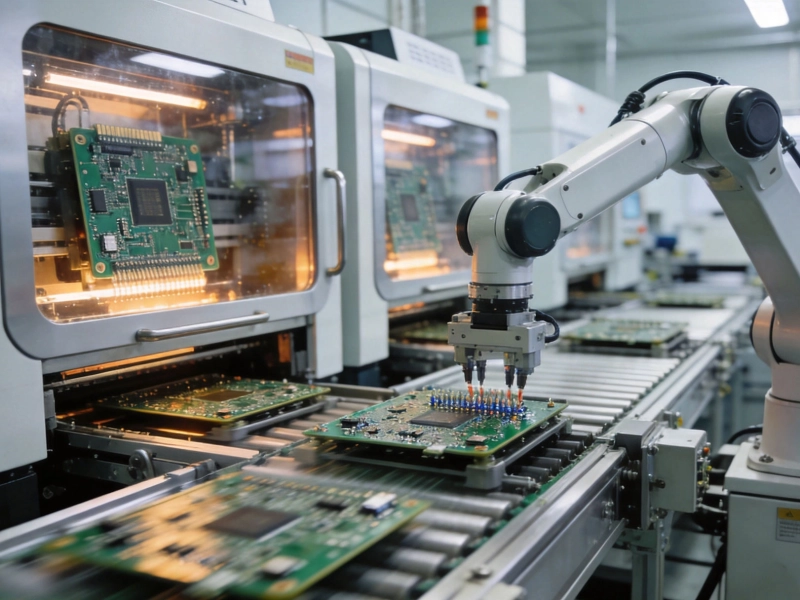
Most professional SMT factories in China follow a similar core workflow, although the level of automation and Quality Control can vary a lot between suppliers.
The process starts with printing Solder Paste onto the Pcb pads through a stainless steel stencil. This step is more important than many buyers realize. If the paste volume is too low, you get weak joints. If it is too high, you risk solder bridges. In 2026, mature factories use SPI, or Solder Paste Inspection, to measure paste height, area, and volume before components are placed.
After printing, the PCB moves to the pick-and-place machine. The machine picks components from reels, trays, or tubes and places them onto the solder paste. Modern high-speed lines can place tens of thousands of components per hour, but speed means nothing if accuracy is poor. For fine-pitch BGAs, QFNs, and 01005 Components, placement accuracy and stable feeder management are critical.
The populated board then enters a reflow oven. The Temperature Profile usually includes preheat, soak, reflow, and cooling stages. For Lead-free Solder, the peak temperature is typically around 230°C to 250°C, depending on the alloy and board design. Thick copper boards, mixed small and large components, or sensitive semiconductors require careful profile tuning. A bad profile can cause Tombstoning, voids, cold joints, or component damage.
After reflow, the board is inspected. Common inspection methods include:
The Chinese SMT industry is not the same as it was five years ago. Low-end price competition still exists, but the leading factories have moved toward higher precision, digital management, and flexible Manufacturing.
Components such as 01005 and fine-pitch BGAs are no longer rare. Many factories that serve consumer electronics, medical devices, and industrial controllers can now handle 01005 placement and sub-0.5mm pitch components. If your design uses very small parts, do not assume every supplier can handle them reliably.
AOI and X-Ray systems are increasingly supported by AI algorithms. This does not mean the factory is fully autonomous, but it does mean false call rates can be reduced and defect classification becomes more consistent. For buyers, this is useful because inspection reports become more reliable, especially for Bga-heavy boards.
Small-batch, multi-variety orders have become mainstream. Many factories now support fast changeover, quick NPI support, and short-run production without punishing customers with extremely high MOQs. This is especially helpful for overseas brands that need fast prototypes before committing to mass production.
Choosing a supplier is not only about comparing unit price. The lowest quote often hides extra costs such as poor yield, delayed delivery, weak component control, or missing test reports.
A factory may claim to have high-speed machines, but you should also ask:
Chinese SMT suppliers usually offer three models:
Turnkey services are convenient, but you should still verify component brands, date codes, and substitution rules. Sometimes a factory may propose an alternative part without telling you clearly, and that can cause field failures later.
SMT pcb assembly China offers strong advantages, but there are real risks if you do not manage the process.
If your BOM lacks manufacturer part numbers, packages, or tolerance details, the factory may choose substitutes that change performance. Always specify Mpn, package, tolerance, voltage rating, and approved alternates.
A good supplier will check your PCB footprint, Pad Design, component spacing, and thermal balance before production. If a factory accepts your files without any engineering feedback, be careful. It may mean they will discover problems only after assembly.
AOI alone is not enough for complex boards. For BGAs, hidden joints, or high-reliability products, you should require X-Ray sampling and functional testing. Otherwise, defects may pass Visual Inspection and fail later in the field.
Some suppliers quote very short lead times but delay production because components are not in stock. For overseas buyers, always confirm component availability before approving the schedule.
To get accurate quotes and faster production, prepare these files:
Understanding the basics of SMT pcb assembly China is essential for anyone sourcing electronics from Chinese manufacturers in 2026. The industry is no longer just about low cost. It is about precision placement, stable reflow profiles, strong inspection systems, flexible production, and clear communication. If you define your requirements early, verify supplier capability, and request proper test reports, you can build reliable products without unnecessary delays.
Start with a small batch, check their engineering feedback, and watch how they handle defects. A good SMT partner will not only assemble your boards, but also help you improve manufacturability before mass production begins.
PCB is the Bare Board. Pcba is the assembled board after components have been mounted and soldered through the Smt Process.
Yes. Many factories now support small-batch and quick-turn orders, especially for prototypes and NPI stages. However, lead time and setup cost will be higher than for mass production.
At minimum, ask for AOI. For boards with BGAs, QFNs, or high-reliability requirements, also require SPI and X-Ray inspection. Functional testing is strongly recommended.
It can be, but you must control the BOM carefully. Confirm component brands, approved substitutes, and traceability before production starts.
Choosing only by price. The cheapest quote often lacks proper Dfm Review, inspection depth, or component control, which can cause much higher total cost later.
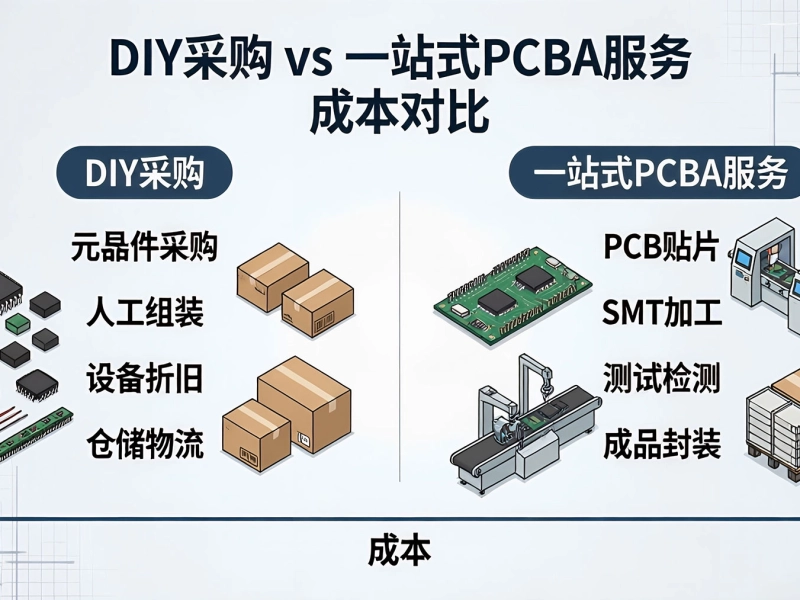
The Hidden Costs of DIY Sourcing vs. Turnkey PCBA ServicesJune/08/2026
Scaling from 10 Prototypes to 10,000 Units: A Turnkey PCBA Success StoryJuly/24/2026
The Role of Supply Chain Management in Successful Turnkey ProjectsSeptember/10/2026
What to Look for in a Reliable Turnkey PCB Assembly PartnerAugust/03/2026
How to Prepare Your BOM for PCB Assembly and ManufacturingOctober/15/2026
Why Turnkey PCB Assembly Services Are Gaining PopularityOctober/09/2026
Managing Moisture Sensitivity Levels (MSL) for BGA and QFN PackagesAugust/15/2026
Accelerating Time-to-Market with One-Stop PCB Assembly SolutionsJuly/07/2026