

When TechVentures Inc. launched their IoT sensor product in early 2023, they faced a challenge familiar to countless Hardware Startups: the infamous "valley of death" between prototype and mass production. Their journey from 10 prototypes to 10,000 units shipped offers actionable insights for any engineering team preparing to scale their pcb assembly operations.
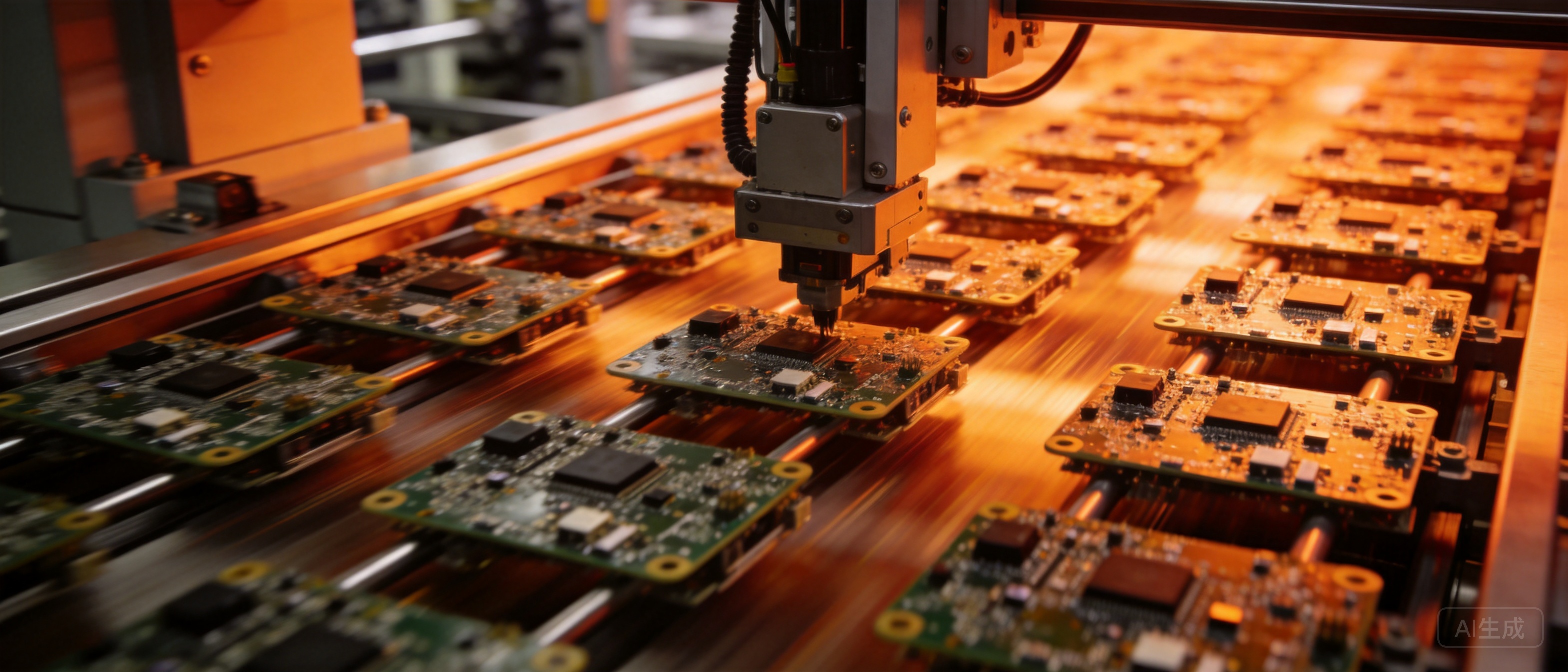
TechVentures began with a 4-layer Pcb Design featuring temperature and humidity sensors, a BLE module, and a low-power microcontroller. Their initial run of 10 prototypes served critical purposes: validating the schematic, testing firmware, and identifying design flaws before committing to production tooling.
During this phase, the team discovered three significant issues that would have been catastrophic at scale:
Addressing these problems during prototyping cost approximately $2,000 and six weeks of iteration. The alternative—discovering these issues after investing in production tooling—could have cost ten times that amount and months of delay.
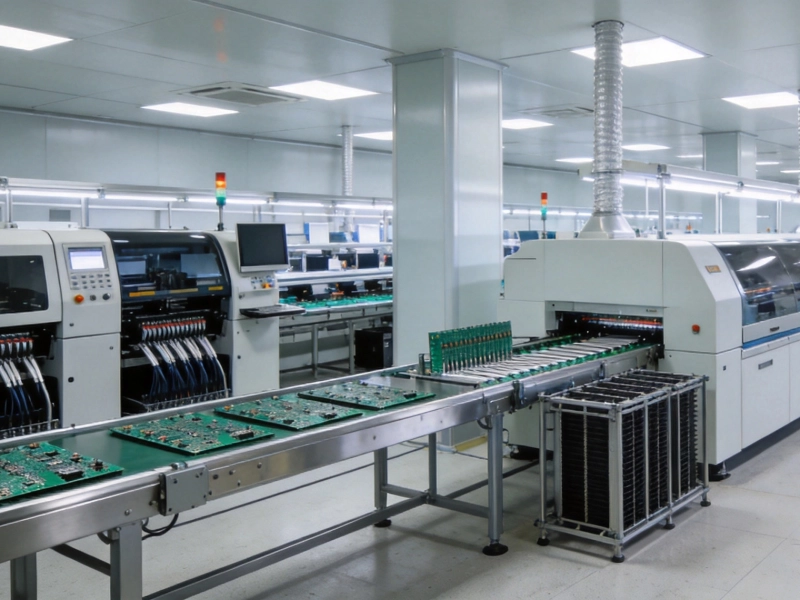
As TechVentures prepared for their 10,000-unit production run, they evaluated multiple Manufacturing strategies. After analyzing make-versus-buy decisions across assembly, Component Sourcing, and testing, they selected turnkey Pcba Services. This approach offered several compelling advantages for their scaling scenario.
Sourcing components for 10,000 units presents challenges that overwhelm most small engineering teams. TechVentures needed 47 unique components per board, including specialized sensors with 16-week lead times. Their turnkey partner leveraged established supplier relationships to secure long-lead components early, while optimizing component selection for availability and cost across the production run.
Perhaps more importantly, the turnkey model eliminated the risk of "phantom parts"—components ordered but never delivered—that has derailed countless hardware launches.
TechVentures' design contained several features that required Manufacturing expertise to optimize for production. Their Turnkey Pcba provider contributed value in three key areas:
Moving from 10 prototypes to 10,000 production units requires more than simple multiplication. TechVentures worked with their turnkey partner through a structured transition process designed to maintain quality while increasing throughput.
Before committing to full production, the manufacturer produced 50 units using production processes and equipment. This "first article" run served as a validation checkpoint. Inspectors compared each board against the original design files, documenting any deviations. TechVentures' FAI identified minor assembly variations that fell within acceptable tolerance but warranted documentation for future reference.
This step caught one critical issue: a connector from an alternate supplier had slightly different pin spacing. The alternate was substituted after the original went on allocation, but the dimensional difference required tooling adjustments that would have caused assembly failures at scale.
The manufacturer ran process qualification tests including:
These qualification steps consumed two weeks but established baseline parameters that ensured consistency across the entire 10,000-unit run.
Component availability remains the most significant variable in high-volume Pcba. TechVentures' turnkey partner implemented several strategies to mitigate Supply Chain risks during their production run.
The manufacturer procured 12,000 units of critical components—20% above the production quantity. This buffer accommodated:
The cost of this buffer (approximately 3% of total component cost) proved worthwhile when one sensor component required incoming replacement due to a supplier quality issue discovered mid-run.
For components with single-source risk, the team pre-qualified alternates during the transition phase. When lead times extended unexpectedly on their BLE module, an alternate part with identical footprint and specifications was already approved and ready for insertion. This proactive approach prevented a four-week production delay.
TechVentures tracked quality throughout their 10,000-unit production run. The results demonstrated the effectiveness of their turnkey approach:
These metrics compare favorably with industry benchmarks for similar complex assemblies, validating the investment in thorough transition planning.
TechVentures estimated that building internal assembly capability for 10,000 units would have required:
Their Turnkey Pcba approach cost approximately $180,000 in markup over direct component and assembly costs—a premium that proved worthwhile given the reduced risk and faster Time-to-market.
TechVentures' journey offers several actionable insights for engineering teams preparing to scale their pcb assembly operations.
The transition from Prototype To Production consumed four months of effort from TechVentures' engineering team. This investment paid dividends throughout production. Teams that rush this phase often discover problems during manufacturing that could have been prevented with more thorough preparation.
TechVentures initially resisted several DFM recommendations, preferring to maintain exact adherence to their original design. After seeing the manufacturing improvements that resulted, they learned to view their turnkey partner as an extension of their engineering team rather than simply a vendor.
The documentation produced during the transition—FAI reports, process parameters, inspection criteria—proved invaluable when addressing issues during production. This documentation also accelerated onboarding of their second manufacturing source six months later.
Scaling from 10 prototypes to 10,000 production units represents a milestone that challenges many Hardware Startups. TechVentures' success demonstrates that turnkey Pcba Services can bridge this gap effectively when teams invest in thorough transition planning, leverage manufacturer expertise, and maintain rigorous quality oversight throughout production.
The key differentiator in their experience was treating the prototype-to-production transition as a critical engineering project rather than a simple logistics exercise. This mindset, combined with a capable turnkey partner, enabled successful scaling that met quality targets and market timelines.
For moderately complex assemblies (4-8 layers, standard components), the transition process typically requires 6-12 weeks. More complex designs with advanced packaging may require longer qualification periods.
Minimum order quantities vary by manufacturer, but many offer flexibility starting at 5-50 units for prototyping and 100-500 units for production runs. The economics improve significantly at higher volumes.
Reputable turnkey providers monitor component lifecycle status throughout production and proactively alert customers when parts approach end-of-life. Pre-qualifying alternates during the transition phase is the best defense against unexpected obsolescence.
Look for manufacturers certified to Ipc-a-610 (Assembly Quality) and ISO 9001 (Quality Management). For specific applications, additional certifications such as Iatf 16949 (automotive) or AS9100 (aerospace) may be required.
Most turnkey providers support engineering change orders during production, but impact varies. Minor changes (component substitutions, silkscreen updates) are typically manageable. Significant design changes usually require production to pause while first articles are re-qualified.
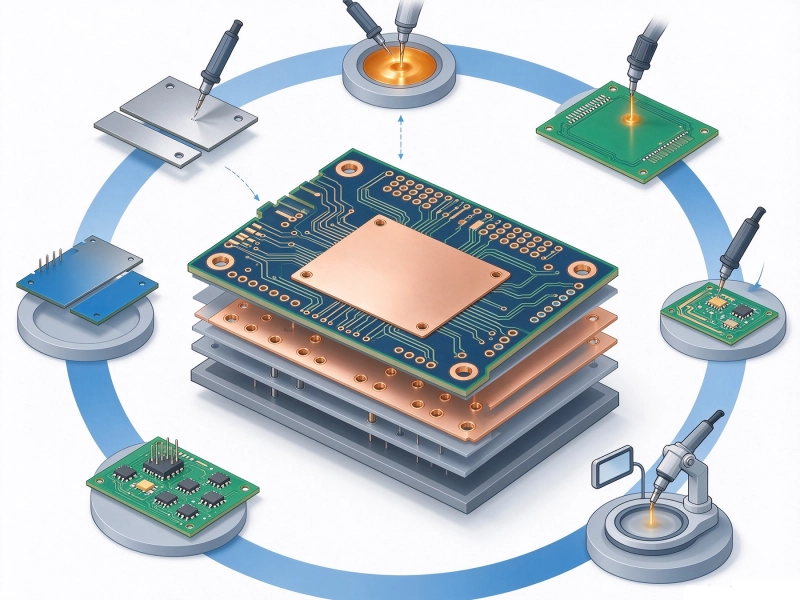
How to Prepare Your BOM for PCB Assembly and ManufacturingOctober/15/2026
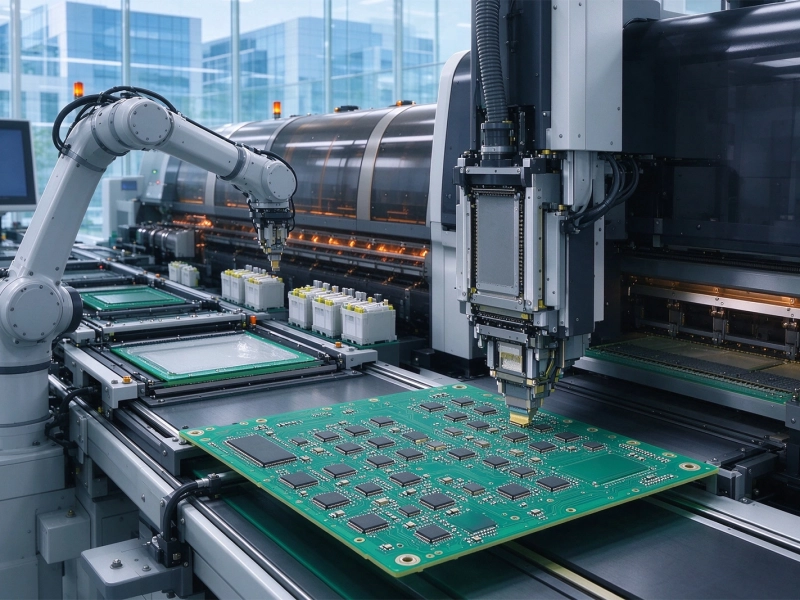
Understanding the Basics of SMT PCB Assembly China: A 2026 GuideOctober/13/2026
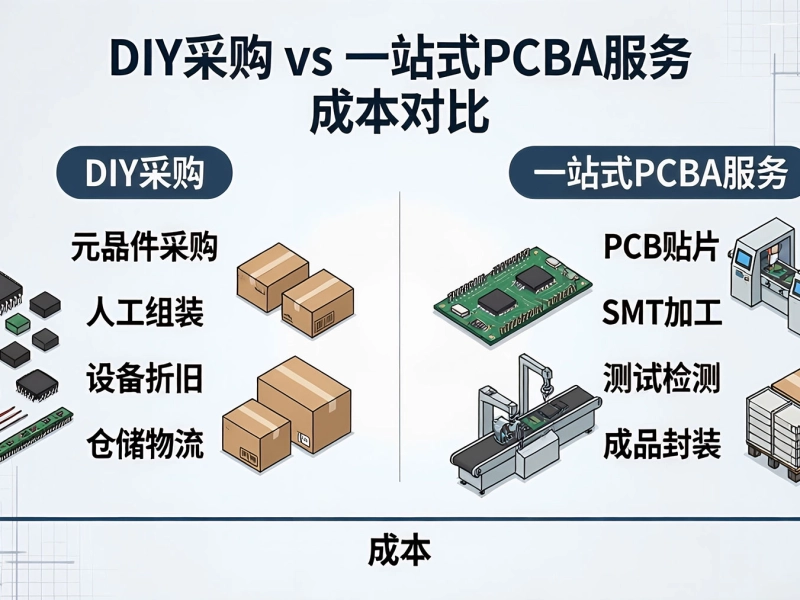
The Hidden Costs of DIY Sourcing vs. Turnkey PCBA ServicesJune/08/2026
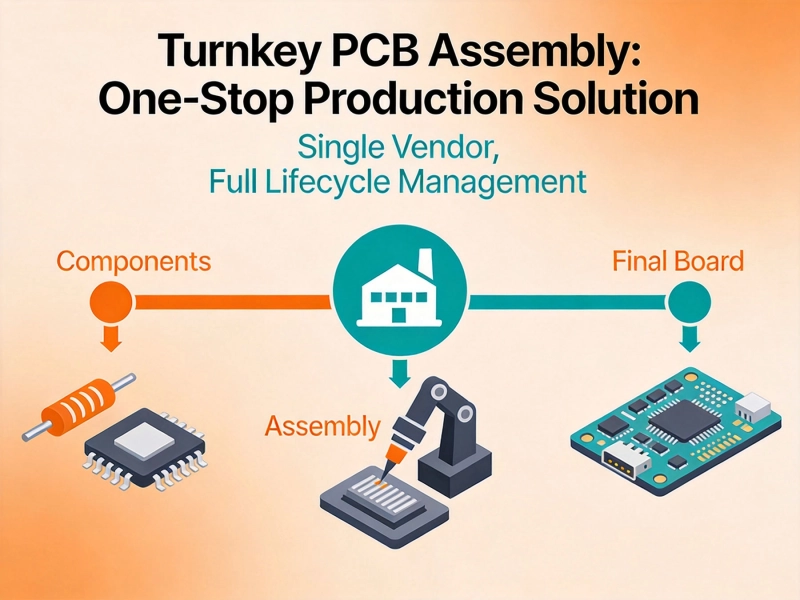
Why Choose Turnkey PCB Assembly for Your Next Product Launch?May/22/2026
The Role of Supply Chain Management in Successful Turnkey ProjectsSeptember/10/2026
How to Choose the Right PCB Assembly Services for Your ProjectSeptember/29/2026
Accelerating Time-to-Market with One-Stop PCB Assembly SolutionsJuly/07/2026
Why Turnkey PCB Assembly Services Are Gaining PopularityOctober/09/2026