

If you are designing a new circuit board, you have probably hit a crossroads. You might be asking yourself, what is the difference between Surface Mount Technology (SMT) and Through-hole Assembly? Honestly, it is one of the most common questions I get from junior engineers. Both methods have their own place in Electronics Manufacturing, and picking the wrong one can cost you time and money. So, let's break down the real differences without getting too bogged down in textbook jargon.
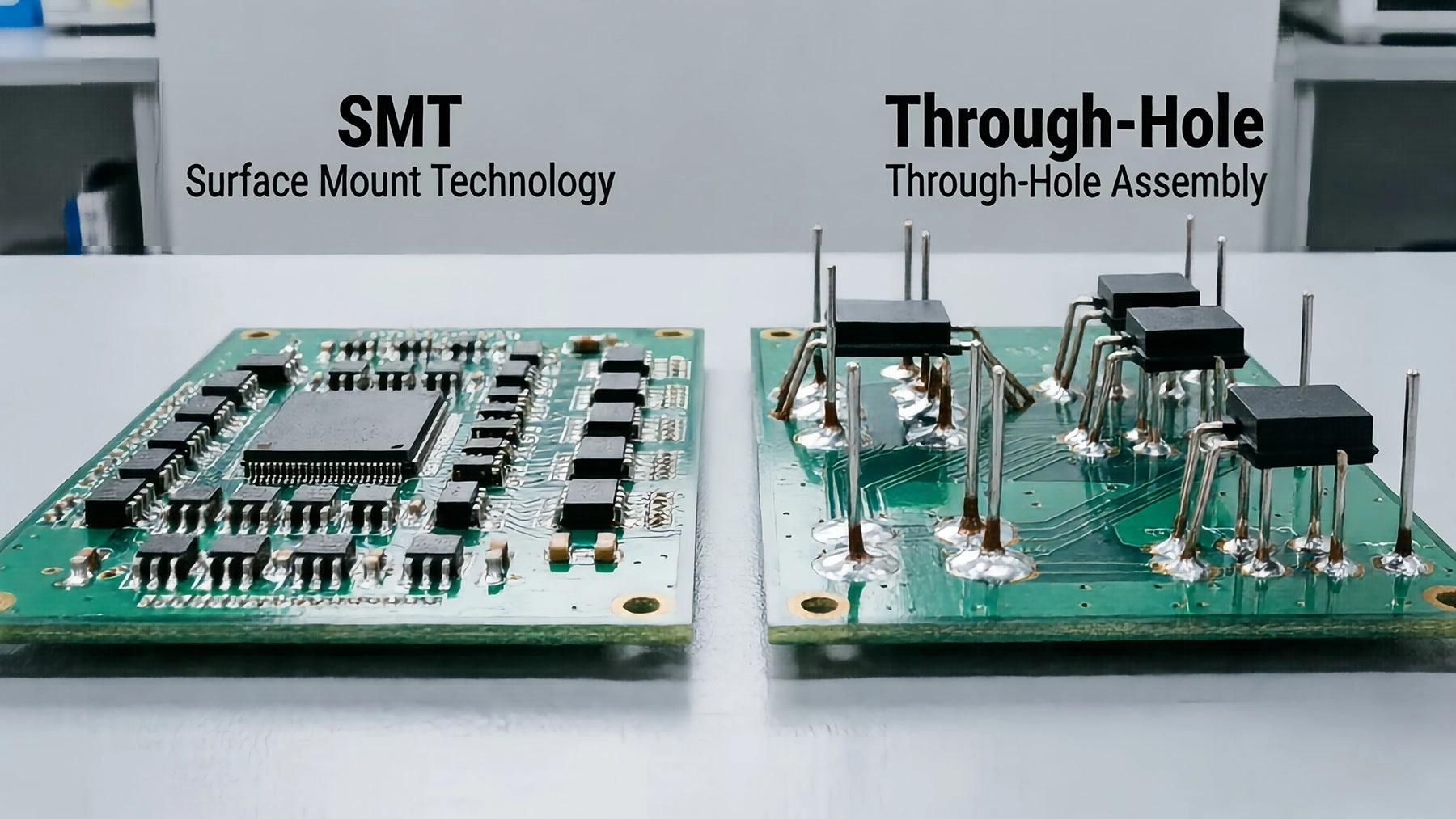
The easiest way to understand what is the difference between Surface Mount Technology (SMT) and Through-hole Assembly is to look at the board itself. With SMT, the components basically sit right on top of the Pcb. The pads are on the surface, and the solder holds them there. Through-hole, on the other hand, requires you to drill actual holes through the board. The component leads go through these holes and get soldered on the other side. Because SMT parts don't need holes, you can pack them way closer together. This means SMT is the undisputed king of high-density designs.
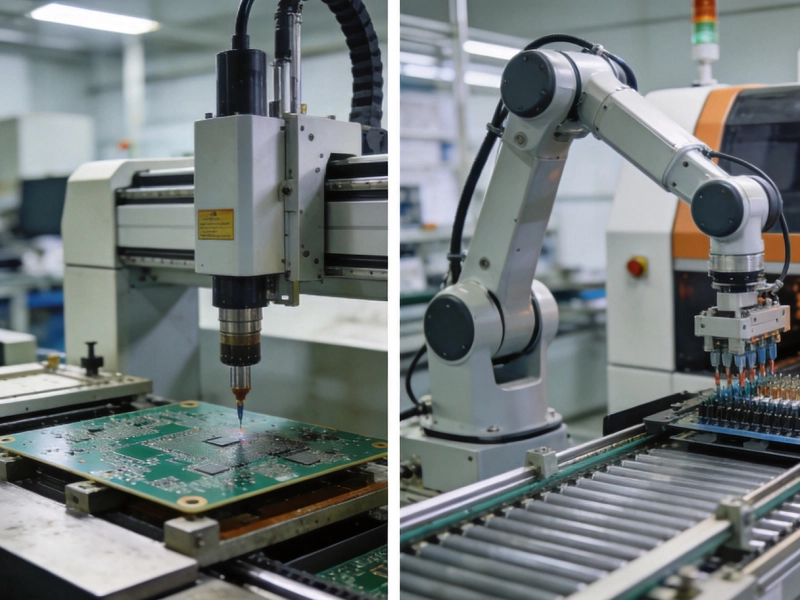
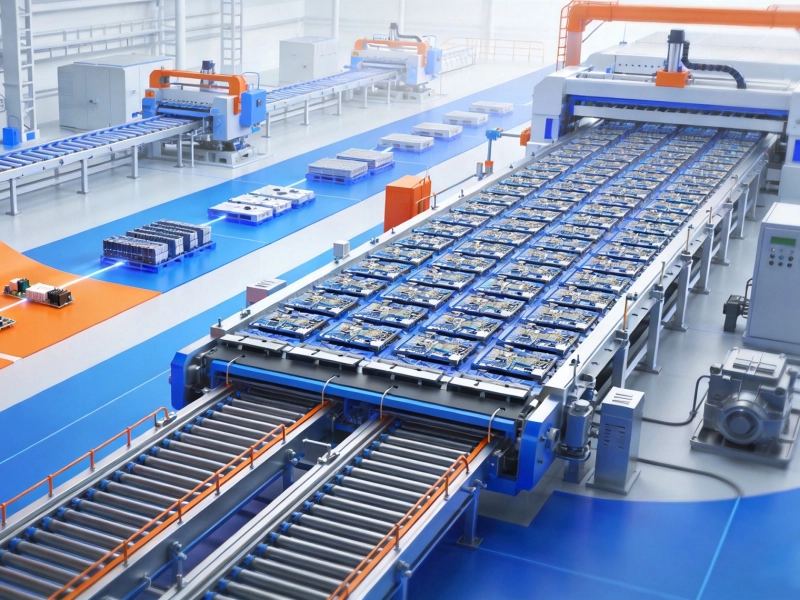
When it comes to speed, SMT wins by a landslide. The whole process is highly automated. Machines pick up tiny components and place them at crazy speeds, then the board goes through a reflow oven. Through-hole assembly is a bit slower. While machines can do it, a lot of through-hole parts still require manual insertion or selective soldering. If you are planning a massive production run, SMT will save you a ton of labor costs. I've seen projects where switching to SMT cut the assembly time in half.
But wait, SMT isn't perfect. This is where through-hole assembly still shines. Because the leads physically pass through the board, the mechanical bond is incredibly strong. If your device is going to be dropped, vibrated, or subjected to heavy mechanical stress, through-hole components are much less likely to rip off the board. SMT relies entirely on the surface solder joint, which can be vulnerable to shear forces. So, for heavy connectors or power transformers, through-hole is often still the safer bet.
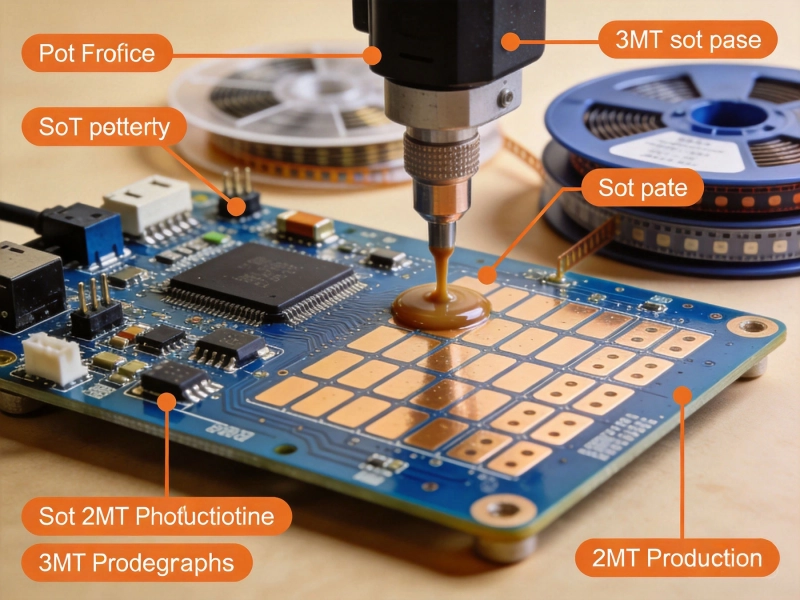
Cost is always a big factor. For high-volume production, SMT is generally cheaper because of the automation and smaller component sizes. The parts themselves are also usually cheaper since they use less raw material. However, for low-volume prototypes, through-hole can sometimes be more forgiving. You can easily hand-solder a through-hole part if you make a mistake. Fixing a tiny 0402 SMT resistor with a soldering iron requires a steady hand and a lot of patience. Also, remember that SMT requires stencils and Solder Paste, which adds some upfront NRE (Non-Recurring Engineering) costs.
From an electrical standpoint, SMT has a distinct advantage. The leads are super short, which reduces parasitic inductance and capacitance. This makes SMT much better for high-frequency RF circuits and high-speed digital signals. Through-hole leads act like little antennas, which can cause signal integrity issues at high frequencies. Thermally, through-hole parts can sometimes handle higher power because the leads help conduct heat away into the board, but modern SMT thermal pads have largely caught up to this.
So, what is the difference between Surface Mount Technology (SMT) and through-hole assembly? Basically, SMT is smaller, faster, and better for high-density, high-speed boards. Through-hole is stronger, easier to hand-solder, and better for heavy mechanical stress. In reality, most modern boards use a mix of both. You use SMT for the microcontrollers and passives, and keep a few through-hole connectors for durability. Take a good look at your next design and see if you can optimize the mix.
Q: Can I use both SMT and through-hole on the same board?
A: Yes, absolutely! This is called mixed technology assembly, and it's very common in industrial and Automotive Electronics.
Q: Which is easier for DIY hobbyists?
A: Through-hole is definitely easier for beginners. The parts are bigger and easier to solder with a basic iron. SMT requires more practice and better tools.
Q: Does SMT cost more for prototyping?
A: It can be slightly higher upfront due to stencil costs, but many assembly houses now offer stencil-less SMT prototyping to keep costs down.
Common PCB Assembly Defects and How to Spot Them VisuallyJuly/30/2026
The Role of Conformal Coating in Protecting Your ElectronicsAugust/14/2026
What is Reflow Soldering and Why Does the Temperature Profile Matter?July/14/2026
What is PCB Assembly? A Beginner's Guide to the BasicsMay/22/2026
Turnkey vs. Consignment PCB Assembly: Which Model Fits Your Project?August/08/2026
PCB Fabrication and Assembly: What's the Difference?September/30/2026
A Simple Explanation of Wave Soldering for Mixed-Technology BoardsJuly/22/2026
From Prototype to Mass Production: Scaling Your Hardware StartupSeptember/04/2026