Open Nav


For engineering teams, startup founders, and procurement professionals working on prototype runs or small-batch production, receiving a pcb assembly quote can feel like deciphering a foreign language. Line items multiply faster than expected, hidden fees lurk in the fine print, and comparing quotes from different vendors becomes a exercise in apples-to-oranges Internal skills. This article walks you through every section of a typical low-volume pcb assembly quote, explains what each cost driver actually means, and gives you practical strategies for evaluating whether a quote represents fair value or hidden risk.

Low Volume PCB Assembly (LVA) typically refers to production runs of fewer than 500 units, though some contract manufacturers define the threshold as under 1,000 units. Unlike high-volume Manufacturing where economies of scale drive per-unit costs down dramatically, LVA is characterized by higher per-part pricing, more hands-on processes, frequent changeovers, and a heavier reliance on skilled technicians rather than fully automated lines.
Understanding this distinction is critical because it sets the expectation baseline. A quote for 50 units will almost always carry a higher unit price than a quote for 50,000 units—not because the vendor is overcharging, but because fixed setup costs are amortized over far fewer pieces. Learning to read the quote through this lens prevents costly miscommunications before the first board ever enters the SMT line.
A professional Pcb Assembly quote is typically structured in distinct sections. While formats vary by vendor, most follow a similar architecture. Below is the standard breakdown you will encounter.
The quote header contains essential metadata: quote number, date, validity period (typically 30–90 days), part numbers referenced, target quantity, and the vendor's contact information. Always verify that the quantity listed matches your requirement exactly. A quote for 100 units priced against a 1,000-unit run will look deceptively expensive per unit because setup costs dominate the total.
The BOM section lists every component required for assembly, usually sourced from your provided BOM spreadsheet. Each line item includes:
Key things to watch for: check whether the vendor has substituted any MPNs with "equivalent" parts. While substitutions can reduce cost and lead time, they must be technically validated against your design specifications. Also note whether quoted components are new vs. surplus/obsolescent—this matters for long-term serviceability.
This section details the vendor's sourcing strategy. For low-volume runs, components are typically sourced from authorized distributors (Digi-Key, Mouser, Arrow, etc.) or directly from manufacturers. Some vendors may propose gray-market or broker-sourced parts at lower prices—always clarify the provenance.
Procurement fees may appear as a line item (often 5–15% of component cost) or be baked into the unit price. Understand which model the vendor uses. A separate procurement fee gives you transparency; a baked-in fee may obscure actual component costs during future design iterations.
This is often the most complex section. SMT (Surface Mount Technology) assembly costs typically break down into:
Even if you are only sourcing assembly, many contract manufacturers also fabricate the bare boards. PCB Fabrication costs depend on:
For low-volume quotes, expect a separate PCB Fabrication line item even if you source boards yourself—some vendors charge a "board receipt and inspection" fee.
Quality controls vary significantly between vendors and should never be treated as an afterthought. Common testing line items include:
Beyond component setup, additional engineering fees may appear for:
For low-volume projects, NRE can be the most surprising line item. Always request a detailed NRE breakdown rather than accepting a lump-sum engineering fee.
Shipping costs depend on order weight, dimensions, destination, and urgency. Watch for:
Not all quotes are created equal. Certain patterns in a quote should raise your antennae:
When evaluating multiple quotes, create a comparison matrix that normalizes each vendor's pricing structure. Key comparison dimensions include:
| Comparison Factor | Why It Matters |
|---|---|
| Total landed cost per board | Includes components, assembly, testing, shipping—everything |
| NRE one-time cost | Impact is highest for low volumes; amortize over expected run size |
| Component markup percentage | Industry standard is 5–15%; significantly higher may indicate markup stacking |
| Lead time (quote to delivery) | Critical for time-sensitive projects; express options carry premiums |
| Quality certifications | ISO 9001, AS9100 (aerospace), Iatf 16949 (automotive) add cost but reduce risk |
| Warranty terms | Standard is 1–2 years; longer warranties may indicate confidence in process quality |
| Change management process | How easily can you iterate designs? What are engineering change order (ECO) costs? |
Low-volume Pcb Assembly quotes are often more negotiable than you might think, especially if you position yourself as a growth customer. Effective strategies include:
Beyond the line items you can see, several hidden costs can inflate your total project spend:
For teams doing repeated low-volume runs, the quote you receive today is just the beginning of a longer commercial relationship. The most successful LVA programs share these characteristics:
Reading a low-volume Pcb assembly quote is as much an art as a science. It requires understanding the interplay between Component Sourcing, Manufacturing processes, quality controls, and logistics. The key takeaway is this: never evaluate a quote on unit price alone. Look at the total landed cost, scrutinize the NRE breakdown, verify component provenance, and assess the vendor's willingness to collaborate on design optimization. For low-volume projects where every dollar counts and iteration speed matters, the right assembly partner is worth far more than the cheapest line item on the spreadsheet.
Take the time to understand each line item, ask questions about anything that seems unclear, and build relationships with vendors who treat your low-volume runs as growth opportunities rather than inconveniences. In the world of rapid prototyping and agile Hardware Development, a well-negotiated assembly quote is the foundation of a efficient, predictable product development pipeline.
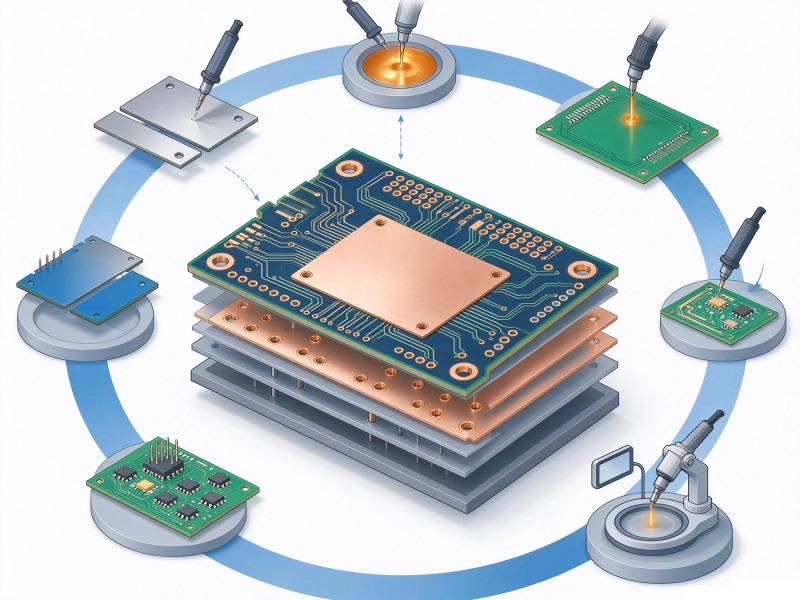
How to Prepare Your BOM for PCB Assembly and ManufacturingOctober/15/2026

Accelerating Time-to-Market with One-Stop PCB Assembly SolutionsJuly/07/2026
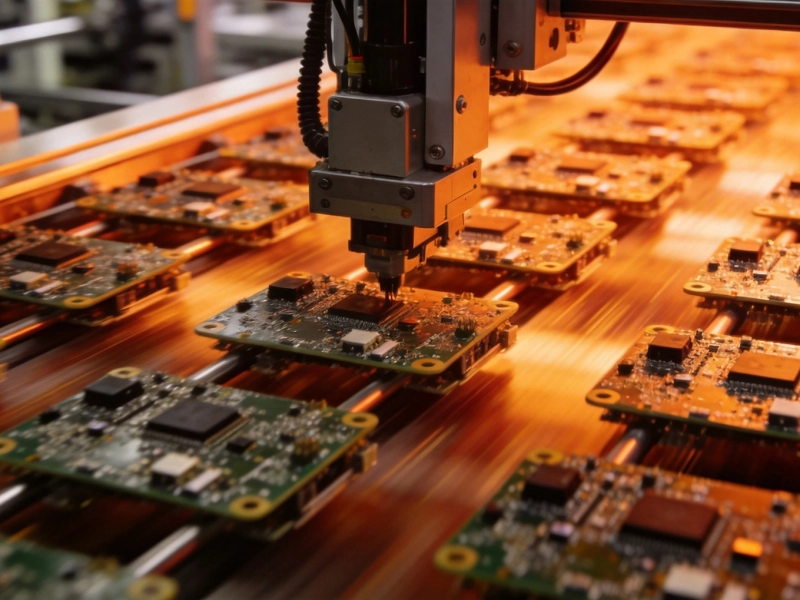
Scaling from 10 Prototypes to 10,000 Units: A Turnkey PCBA Success StoryJuly/24/2026
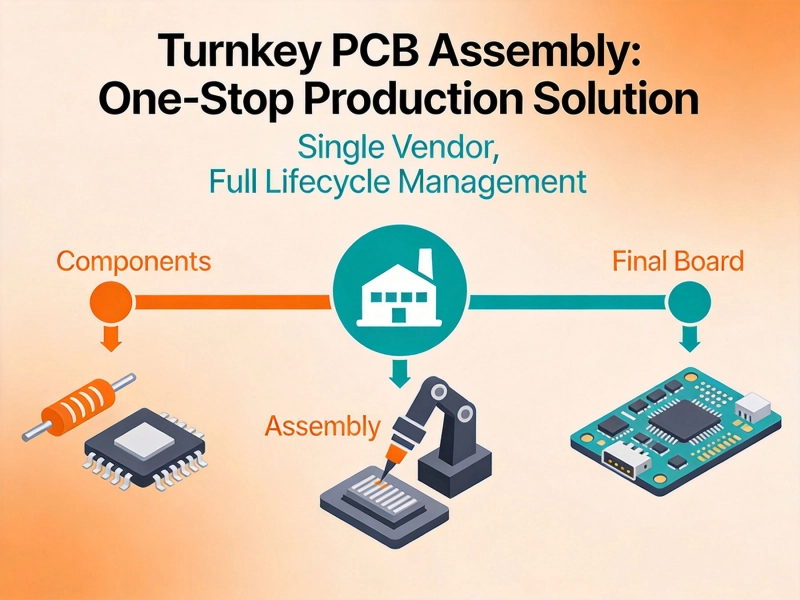
Why Choose Turnkey PCB Assembly for Your Next Product Launch?May/22/2026

Understanding the Basics of SMT PCB Assembly China: A 2026 GuideOctober/13/2026

What to Look for in a Reliable Turnkey PCB Assembly PartnerAugust/03/2026
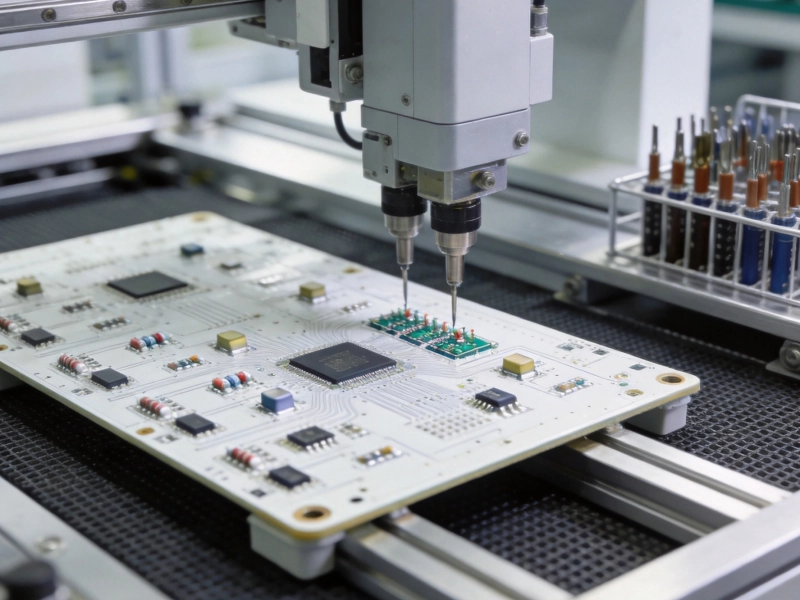
How to Choose the Right PCB Assembly Services for Your ProjectSeptember/29/2026

The Role of Supply Chain Management in Successful Turnkey ProjectsSeptember/10/2026