Open Nav


Requesting a quote for PCB Fabrication and assembly should be straightforward—yet for many new clients, the process feels opaque and overwhelming. What files do you need? What specifications matter? Why does one vendor quote $2,000 while another quotes $8,000 for seemingly the same board? Understanding the quoting process from the inside—the data manufacturers need, the decisions they make, and the factors that drive pricing—transforms you from a passive recipent of numbers into an informed buyer who can specify requirements accurately, compare quotes meaningfully, and avoid costly surprises after production begins. This walkthrough covers every step, from preparing your design files to evaluating the final quotation, with the practical detail that new clients need but rarely receive.
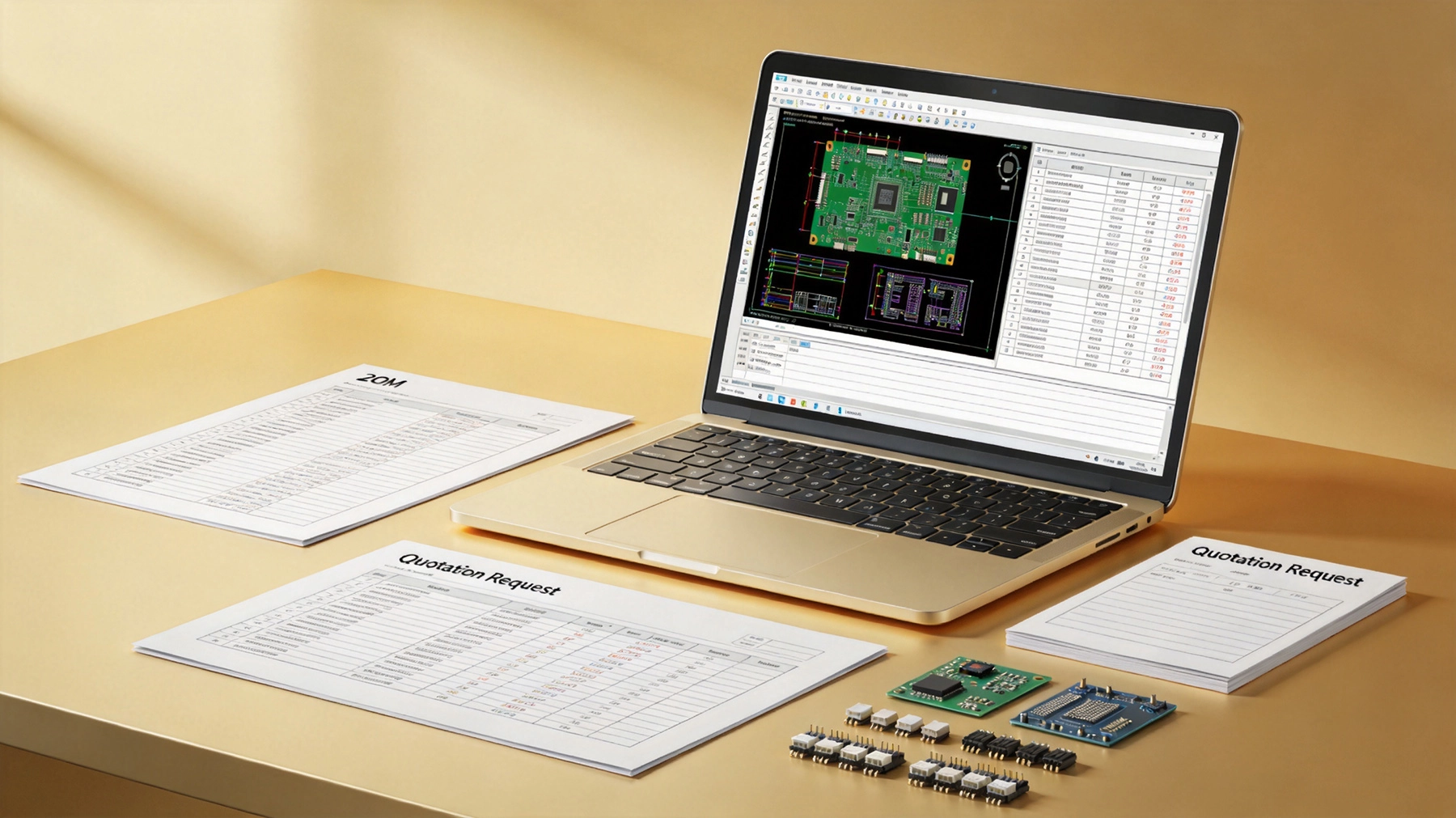
The foundation of any accurate quote is complete, correctly formatted design data. Incomplete or ambiguous files force manufacturers to make assumptions—and those assumptions may not match your intentions. Here is what you need to prepare:
Gerber files are the standard data format for PCB Fabrication. Each layer of your board—copper, solder mask, silkscreen, drill data—requires its own Gerber file. Most EDA tools (Altium, KiCad, OrCAD, Eagle) generate these automatically when you export for Manufacturing.
Before submitting Gerbers, verify the following:
If your quote includes component assembly, the BOM is as important as the Gerber files. A proper BOM contains:
Common BOM problems that delay quoting: missing MPNs forcing the manufacturer to guess at substitutions, reference designators that do not match the board layout, and components specified as "any equivalent" without defining what equivalence means (same value only? same value and tolerance? same value, tolerance, and temperature coefficient?).
The pick-and-place file (also called centroid or XY data) specifies the X-Y coordinates, rotation, and side (top/bottom) of every component on the board. This is what the SMT machine uses to determine placement positions. Without it, the manufacturer must manually extract coordinates from the Gerber files—a time-consuming process that introduces errors.
An assembly drawing shows component placement, polarity markings, and any special assembly instructions (hand-soldered components, specific solder requirements, Conformal Coating zones). It serves as a visual reference that helps manufacturing engineers validate the pick-and-place data against the intended design.
Some manufacturers include a schematic review as part of their DFM (Design For Manufacturing) analysis. Providing the schematic (typically as a PDF) enables the engineering team to identify potential issues—reverse-polarized components, missing bypass capacitors, or design-rule violations—before quoting, rather than discoverng them during production.
Gerber files describe what the board looks like, but they do not fully specify how it must be manufactured. Several critical specifications must be communicated separately:
Technical specifications determine what gets built; commercial requirements determine how it gets delivered and paid for.
Lead time is a critical commercial parameter with significant cost implications:
For new clients, most manufacturers require prepayment or payment on delivery. Established relationships typically progress to Net 30 terms after 3–6 months of consistent ordering and payment history. Specifying your preferred payment method (wire transfer, credit card, PayPal) in the quote request avoids delays during order placement.
The assembly model—who procures the components—significantly affects both the quoting process and the final price.
In Turnkey Assembly, the manufacturer procures all components on your behalf, fabricates the PCB, assembles the board, and delivers finished product. This is the simplest model for you—one PO, one invoice—but requires the most complete BOM with exact MPNs.
Turnkey advantages: single point of responsibility, manufacturer's Component Procurement expertise and volume purchasing power, no need to manage component inventory or shipping logistics. The manufacturer absorbs component availability risk (to the extent they can source alternatives).
Turnkey quoting considerations: the manufacturer must verify component availability and pricing before quoting assembly cost. This adds time to the quoting process—expect 2–5 business days for a turnkey quote versus 1–2 days for a PCB-only quote—but produces a more accurate and complete price.
In consignment (or partial consignment) assembly, you provide some or all components, and the manufacturer fabricates the PCB and assembles using your supplied parts. This model is useful when you have proprietary components, specialized parts with limited availability, or existing inventory you want to consume.
Consignment quoting considerations: the manufacturer quotes only PCB fabrication and assembly labor—you are responsible for component cost and availability. The manufacturer will specify incoming component requirements (packaging format, moisture-sensitive handling, labeling) that must be met to avoid assembly problems.
Many orders use a hybrid approach: the manufacturer procures commodity components (resistors, capacitors, connectors) while you supply specialized or proprietary parts (FPGAs, custom ICs, pre-programmed microcontrollers). The quote will separately itemize manufacturer-procured and client-procured components.
With files prepared and specifications defined, you are ready to submit. Here is what the process typically looks like:
Most modern PCB manufacturers offer online quoting portals where you upload files and enter specifications through a web form. These portals provide instant or near-instant pricing for standard PCB fabrication parameters. Assembly pricing typically requires manual review because component procurement costs must be verified.
When using an online portal:
For complex assemblies, turnkey orders, or non-standard requirements, an email request to the sales team is often more effective than a portal. Structure your email for clarity:
Manufacturers quote faster when they receive complete information upfront. The most common causes of quoting delays are:
Providing a single, complete, internally consistent package of design data and specifications can reduce quote turnaround from 5 days to 1 day.
Receiving a quote is not the end of the process—it is the beginning of evaluation. Here is how experienced buyers analyze pcb assembly quotations:
A professional quote should itemize costs into distinct categories:
If a quote presents only a single lump-sum price without itemization, request a breakdown. Without itemization, you cannot compare quotes meaningfully or identify cost drivers to optimize.
When comparing quotes from multiple vendors, ensure they are quoting the same scope:
What a quote omits can be as important as what it includes:
Before converting a quote to an order, clarify these commonly overlooked details:
After helping thousands of new clients through the quoting process, certain patterns emerge. Avoid these common pitfalls:
Submitting a quote request with "TBD" or generic component descriptions forces the manufacturer to either quote with assumptions (which will not match your final design) or delay quoting until you provide complete data. Neither outcome serves your timeline. Complete your BOM first, then request quotes.
A quote that is 30% lower may reflect different scope (no testing, cheaper surface finish, consignment vs. turnkey), different quality standards (no Dfm Review, minimal inspection), or different lead times. Always compare scopes, not just totals.
If your design has high-speed signals requiring controlled impedance but you do not specify it in the quote request, the manufacturer will quote standard fabrication without impedance test coupons. The boards will arrive with uncontrolled impedance, and your high-speed interfaces may not work. This is one of the most common and expensive quoting oversights.
A manufacturer may quote 10-day assembly lead time, but if a BGA in your BOM has a 20-week factory lead time, your actual delivery is 20+ weeks. Always ask for a component availability check with turnkey quotes.
New clients often order large quantities of a first design to achieve volume pricing. This is risky—if the first production run reveals a design issue, the entire order may need rework or scrap. Order the minimum economically viable quantity for first articles, validate the design, then place the volume order.
Requesting a pcb assembly quote is fundamentally a communication exercise—the more completely and precisely you communicate your requirements, the more accurate and useful the quote will be. Preparing complete Gerber files, a detailed BOM with exact MPNs, explicit technical and commercial specifications, and clear logistics requirements transforms quoting from a back-and-forth negotiation into a efficient, one-pass process.
Equally important is what you do after receiving the quote. Itemized cost breakdowns, scope comparisons across vendors, and pre-order clarification of substitution policies, inspection requirements, and warranty terms protect you from the surprises that commonly derail new client projects. The time invested in preparing a thorough quote request and carefully evaluating the response pays dividends in production quality, on-time delivery, and total project cost.
For new clients ready to request their first Pcb Assembly quote, our team provides online quoting with instant Pcb Fabrication Pricing and 24-hour turnaround on Turnkey Assembly quotes. Our engineering team reviews every design for DFM issues before production begins—because the best time to catch a problem is before it is manufactured.
PCB-only fabrication quotes through online portals are typically instant. Turnkey assembly quotes that include component procurement require 1–5 business days depending on BOM complexity and component availability. Consignment Assembly quotes (where you provide components) are usually faster—1–2 business days—because the manufacturer only needs to price fabrication and assembly labor.
Gerber RS-274X is the universal standard for PCB fabrication data. For assembly, most manufacturers accept pick-and-place data in any common format (Altium .csv, KiCad .pos, generic .csv). BOM files are accepted in Excel (.xlsx, .xls) or CSV format. Some manufacturers also accept native EDA files (Altium .PcbDoc, Orcad .brd) and extract the necessary data internally, but this is not universal—always provide Gerbers as a baseline.
Price variation reflects differences in manufacturing location (China vs. domestic), equipment capability, quality systems, material sourcing, overhead structure, and profit margins. A Chinese factory with automated SMT lines and low labor costs will quote significantly lower than a domestic manufacturer with similar capability. However, the lowest quote is not always the best value—consider total delivered cost (including shipping, duties, and quality risk), communication quality, and the manufacturer's track record with similar projects.
No—most PCB manufacturers accept orders of any quantity, including single prototypes. However, setup costs (tooling, programming, stencil) are fixed regardless of quantity, making per-unit cost very high at low volumes. Many manufacturers offer prototype-specific pricing that partially absorbs setup costs to make small orders more accessible, typically for quantities of 5–50 boards.
Absolutly. Quoting is an iterative process. Common post-quote changes include adjusting quantity (to hit a target price), changing surface finish (for cost or performance reasons), modifying lead time, and updating the BOM (if component availability has changed). Requoting after changes is typically fast—1–2 days—since the manufacturer already has your design data on file.
How We Handle Rush Orders and Quick-Turn PCB PrototypingJuly/08/2026
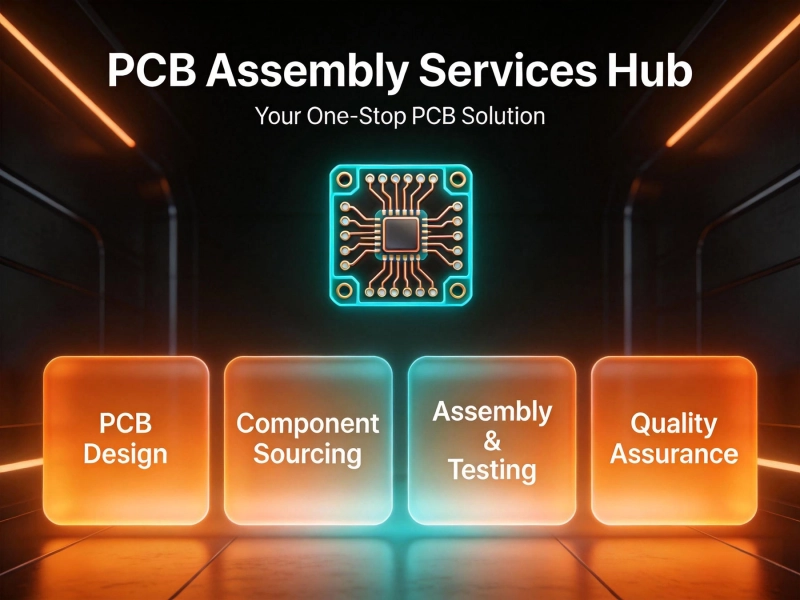
Welcome to Our PCB Assembly Services Hub: Your Resource CenterMay/22/2026
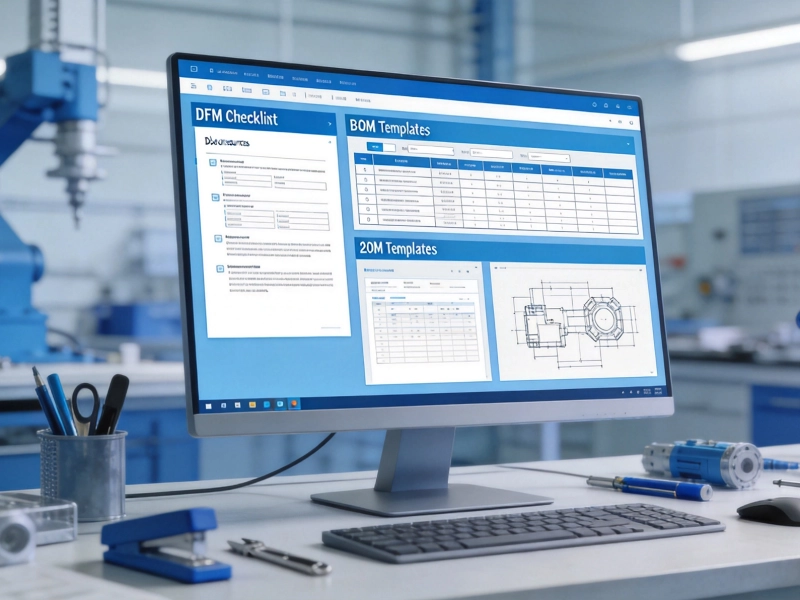
Downloadable Resources: DFM Checklists and BOM TemplatesAugust/03/2026
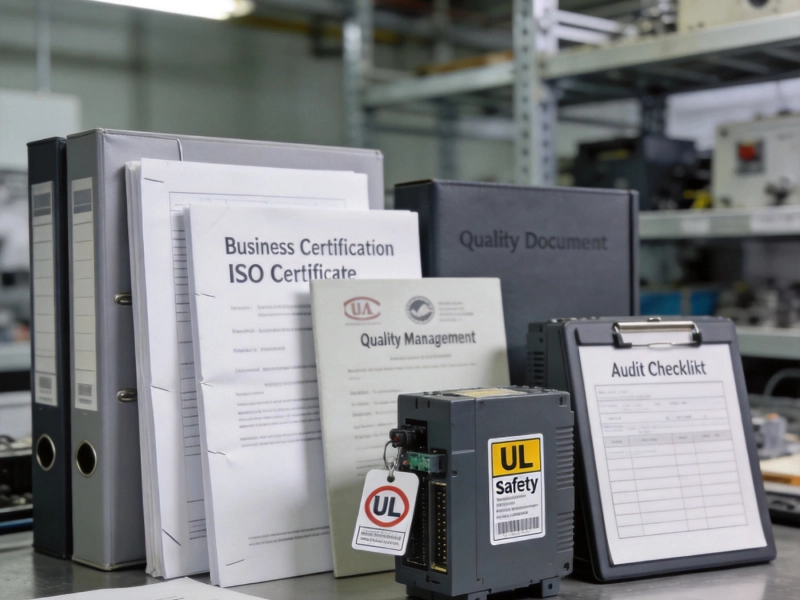
Certifications That Matter: ISO, IATF, and UL Compliance ExplainedSeptember/11/2026

Meet the Team: Expertise Behind Our High-Yield Production LinesSeptember/02/2026
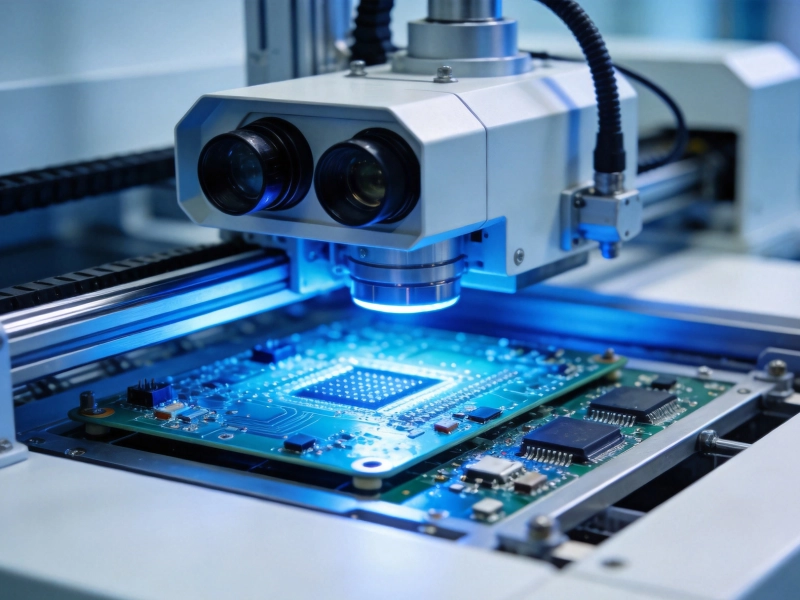
Our Quality Assurance Promise: AOI, X-Ray, and Functional TestingJune/26/2026
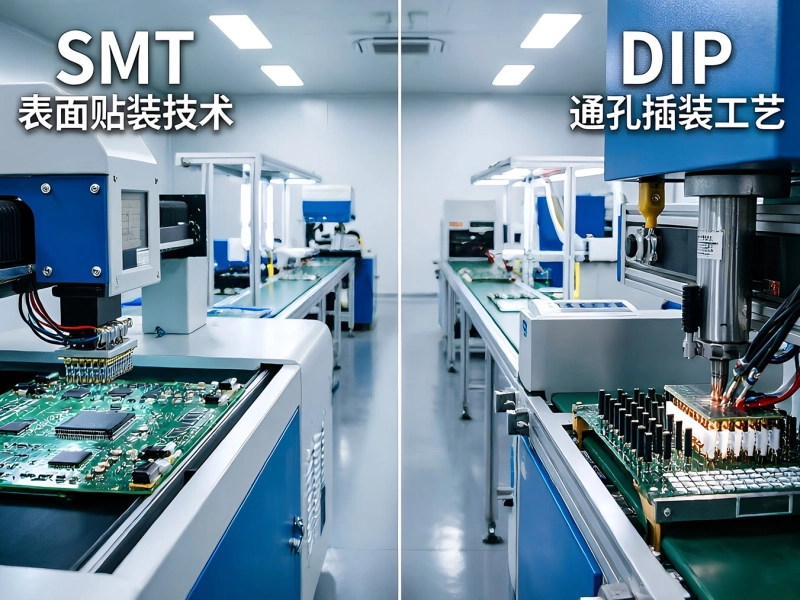
Comprehensive Guide to Our SMT and DIP CapabilitiesJune/09/2026
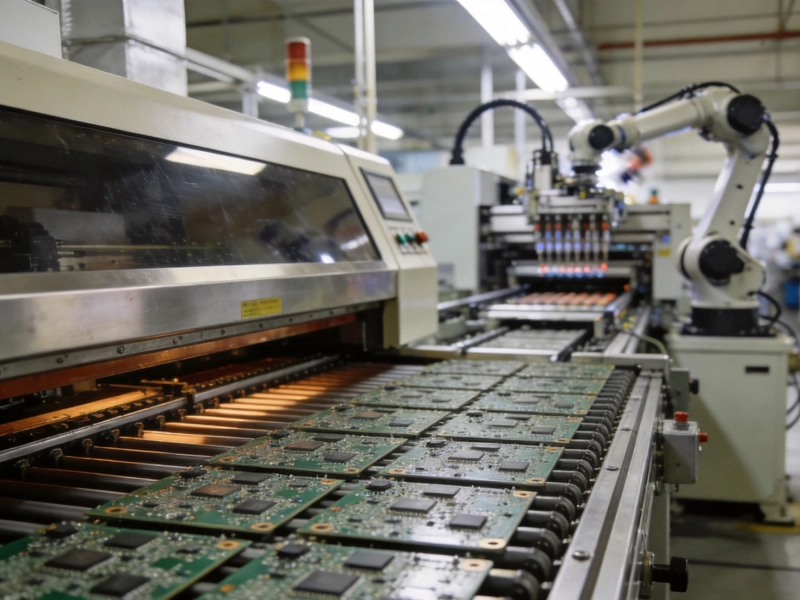
Frequently Asked Questions About Our PCB Assembly ProcessJuly/25/2026