Open Nav


Bringing a hardware product from concept to market is one of the most capital-intensive journeys an entrepreneur can undertake. Every dollar spent on early prototypes is a dollar that cannot be spent on customer acquisition, talent, or marketing, and for startups operating with limited runway, the cost and speed of prototype assembly can be the difference between iterating quickly toward product-market fit and running out of time before discovering a design flaw. Prototype Smt Assembly in China has emerged as the practical choice for startups worldwide, offering a combination of technical capability, cost efficiency, and speed that domestic prototype services often cannot match. Understanding why this is the case—and how to navigate the process effectively—equips founders and hardware teams to make informed decisions that stretch their resources without sacrificing quality.

Hardware Development carries inherent cost structures that software simply does not face. Every revision of your board requires physical fabrication and assembly, and the expenses involved in Pcb Manufacturing, Component Procurement, stencil creation, and assembly labor add up quickly across multiple prototype iterations. A domestic prototype run that might cost five thousand dollars in the United States could cost a fraction of that through a Chinese assembly service, and this price differential has real implications for how many design cycles a startup can afford.
When a startup can produce three prototype revisions for the cost of one domestic prototype, it fundamentally changes the approach to product development. Instead of over-engineering each revision out of fear that another iteration is unaffordable, teams can adopt a test-and-learn philosophy that validates assumptions quickly and corrects errors before they become deeply embedded in the design. This iterative approach reduces overall development risk and often produces better products because real-world testing drives improvement more effectively than theoretical optimization.
The capital efficiency extends beyond direct assembly costs. Chinese assembly services typically have lower overhead structures, which means their pricing reflects actual production costs rather than a premium for premium location, convenient communication, or white-glove service. For a startup in the prototype phase, this trade-off is almost always worth making. The convenience of a local supplier is valuable in production, but in prototyping, it is an expense that delays the learning your product needs.
A common misconception holds that Chinese prototype assembly services are somehow technically behind their Western counterparts. In reality, the top-tier assembly facilities serving international clients operate some of the most advanced SMT lines in the world, equipped with the same pick-and-place machines, reflow ovens, and inspection equipment used by leading EMS manufacturers globally. The difference is that these facilities have optimized their operations specifically for prototype and small-batch work, where flexibility and changeover speed matter more than the throughput advantages that drive large-scale production line design.
Modern Chinese prototype assembly shops routinely handle fine-pitch components including BGAs, QFNs, and 0201 passive components that require precise placement and careful thermal profile management. AOI and X-ray inspection are standard capabilities at reputable facilities, providing the defect detection coverage that catches assembly issues before they reach your test bench. Many facilities also offer in-house engineering review of your design files, identifying potential Manufacturing issues before fabrication begins so that problems can be corrected at the design stage rather than discovered through failed assemblies.
For highly specialized requirements, such as RF boards, high-frequency substrates, or complex multi-layer stackups, Chinese manufacturers have developed deep expertise through the sheer volume of diverse work they process. This experience base means that even unusual or challenging designs are likely to have been handled by the facility before, and their engineering teams can draw on that experience to anticipate and address issues proactively.
Speed matters disproportionately during the prototype phase of product development. Every week spent waiting for prototype boards is a week not spent learning. The velocity of your iteration cycle—how quickly you can design, build, test, and revise—directly determines how quickly your product improves and how much ground you can cover before resources run out. Prototype Smt Assembly in China, when managed effectively, offers turnaround times that support rapid iteration without forcing you to compromise on Assembly Quality.
Standard prototype assembly turnarounds from Chinese facilities typically range from five to ten business days for production, with shipping adding another week or two depending on the freight option chosen. This timeline compares favorably with many domestic prototype services when you account for the fact that domestic quotes often exclude the queue time that can stretch a promised two-week turnaround into a month in practice. By building your project timeline around the actual door-to-door time and planning Component Procurement in parallel with design finalization, you can achieve prototype cycles that support aggressive development schedules.
Expedited services are available when timelines are compressed. Most facilities offer accelerated production for a premium, and understanding when to pay for speed versus when to build in additional calendar time is a judgment call that depends on your development stage, funding runway, and competitive situation. Early-stage prototype rounds where the goal is functional validation rather than design freeze may not warrant premium expediting, while late-stage prototypes intended for regulatory testing or investor demonstrations may absolutely justify the additional cost.
One of the most practical advantages of using Chinese prototype assembly services is the turnkey model, where the assembler handles component procurement on your behalf. For prototype quantities, managing Component Sourcing yourself is often more expensive and time-consuming than the value it provides. Distributors charge premium pricing for small quantities, some components have minimum order quantities that exceed your prototype needs, and the logistics of coordinating multiple component shipments to a domestic assembler create administrative overhead that distracts from actual product development work.
Chinese Turnkey Assembly services aggregate procurement across many clients, which gives them purchasing leverage that individual startups cannot match. They maintain relationships with distributors and component houses that provide access to competitive pricing and reliable supply chains. For standard components with stable supply, the assembler can often procure materials faster and more cheaply than you could manage independently, freeing your team to focus on the design work that only you can do.
The key consideration in Turnkey Assembly is ensuring that the assembler understands your component requirements clearly, including any brand preferences, temperature grade requirements, or reliability grades that your application demands. Providing explicit component specifications—manufacturer part numbers where possible, or alternatively equivalent options—reduces the risk of substitution decisions that might not align with your design intent. A reputable assembler will communicate proactively if a specified component is unavailable or if substitution is necessary, giving you the opportunity to make an informed decision rather than discovering the change after boards are assembled.
Not all Chinese prototype assembly services are created equal, and selecting the right partner requires evaluating several dimensions beyond simply comparing quotes. The facility's experience with your specific technology stack, their communication practices and English language capability, their Quality Management processes, and their track record with international clients all matter for the outcome of your project.
Requesting samples from prospective partners is one of the most effective ways to evaluate their capabilities before committing to larger work. A small sample order—five to ten boards—provides hands-on evidence of their Assembly Quality, Component Handling, documentation practices, and communication responsiveness. Pay attention to things that matter for your application: solder joint quality, component placement accuracy, adherence to your specifications, and whether the documentation that accompanies the shipment is complete and professional.
Reviews and references from other startups or engineering teams provide valuable insight into the practical experience of working with a particular facility. Look for reviews that describe the communication experience, responsiveness to issues, and how well the facility handled problems when they arose. A manufacturer that is responsive and collaborative when things go wrong is worth considerably more than one that has a lower price but poor communication when problems occur.
Working with a Chinese assembly partner requires more deliberate communication than working with a local supplier, but this does not have to be a significant burden. The keys are clear documentation upfront, written communication for anything consequential, and reasonable expectations about response times given the time zone difference and the volume of inquiries the facility handles.
Invest time in preparing a clear and complete package for your assembly order. This package should include Gerber Files with complete drill information, a Bill Of Materials with explicit manufacturer part numbers, assembly drawings that specify component orientation and any special placement requirements, and a readme file that documents your stackup specifications, surface finish requirements, and any other parameters that affect the assembly process. The more clearly you communicate your requirements, the less room there is for misunderstanding.
Expect to receive questions from the assembly partner as they review your files. This is a normal and healthy part of the process—reputable facilities review designs before assembly and flag any ambiguities or potential issues for your clarification. Treating these questions as collaborative problem-solving rather than administrative friction leads to better outcomes and builds the kind of working relationship that serves you well across multiple prototype cycles.
Chinese prototype assembly is the right choice for most startups most of the time, but there are situations where domestic assembly provides enough advantage to justify the premium. Extremely time-sensitive prototypes where a few days of shipping time are unacceptable may warrant domestic options, particularly for late-stage prototypes that are on critical paths for fundraising or launch timelines. Designs with classified or sensitive circuitry that cannot leave your physical control may require domestic assembly for security reasons. And for teams that are early in their learning curve and may need very rapid design revisions—turning boards around within days rather than weeks—domestic express services may be worth the cost until the design stabilizes.
The goal is not to choose Chinese or domestic, but to match the sourcing strategy to the phase of development and the specific constraints of each prototype round. Early prototypes where cost and iteration speed dominate should lean toward Chinese services. Late-stage prototypes where time certainty is critical may justify domestic premium pricing. Most startups find that a hybrid approach over the development lifecycle delivers the best balance of cost efficiency and schedule reliability.
What is the minimum order quantity for Prototype Smt Assembly in China?
Most facilities accept orders starting at five units, with pricing becoming more favorable at quantities of twenty to fifty units. Some offer single-unit assembly for clients who need just one board, though per-unit costs are higher at that quantity.
How do we protect our design files when sending them to a Chinese assembly partner?
Work with reputable facilities that have established NDAs and confidentiality practices. Most international-oriented services are accustomed to handling sensitive client designs and maintain internal policies against unauthorized use of client intellectual property. You can also work with legal counsel to ensure your agreements provide appropriate protections under the relevant jurisdiction.
What happens if our prototype boards arrive with assembly defects?
Reputable facilities offer rework services and typically cover the cost of correcting defects attributable to their assembly process. Establish clear expectations about defect handling and rework coverage before placing your order so that both parties understand the commitments involved.
How do we handle components that require long lead times?
Identify long-lead components early in your project planning and communicate lead time requirements to your assembly partner. Many facilities can pre-order and stock components for your production window, avoiding delays that would arise from procurement surprises during the assembly phase.
Can we use our own component supplier rather than the assembler's turnkey procurement?
Yes, most assembly services accept customer-supplied components. This option is useful when you have specific components you need to use from existing inventory or when you have negotiated pricing with a particular distributor. Be aware that supply risk for customer-supplied components typically falls on you, so confirm component availability before the assembly window opens.
Contact us to discuss your requirements and learn how our prototype SMT Assembly Services in China support startups bringing hardware products from concept to market.
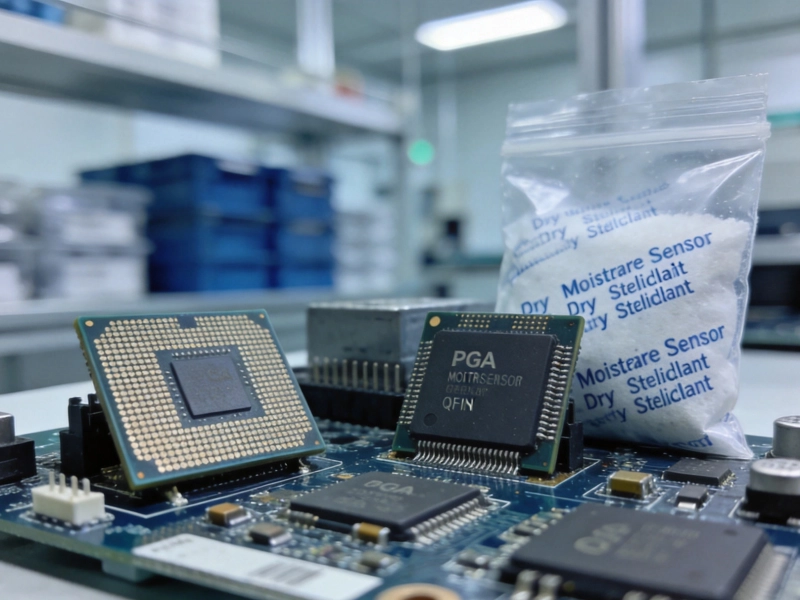
Managing Moisture Sensitivity Levels (MSL) for BGA and QFN PackagesAugust/15/2026
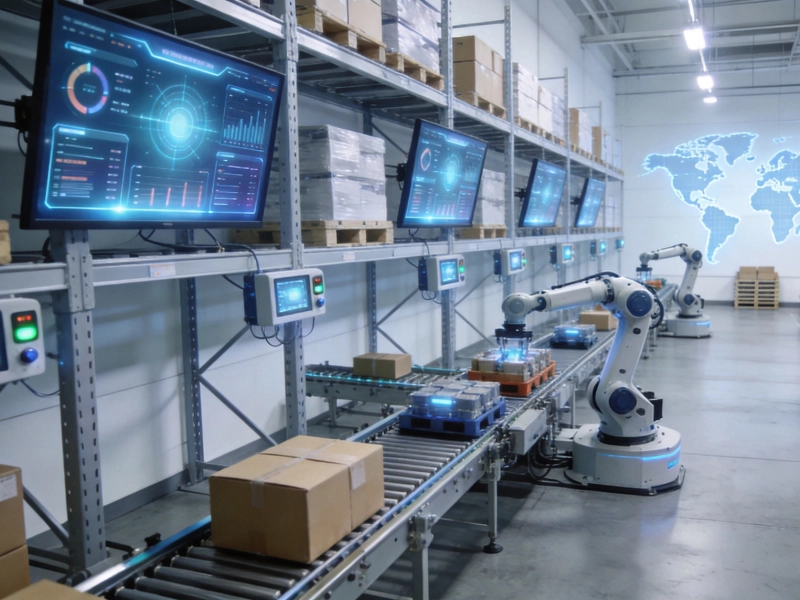
The Role of Supply Chain Management in Successful Turnkey ProjectsSeptember/10/2026

How to Read a Quote for Low Volume PCB AssemblyOctober/12/2026
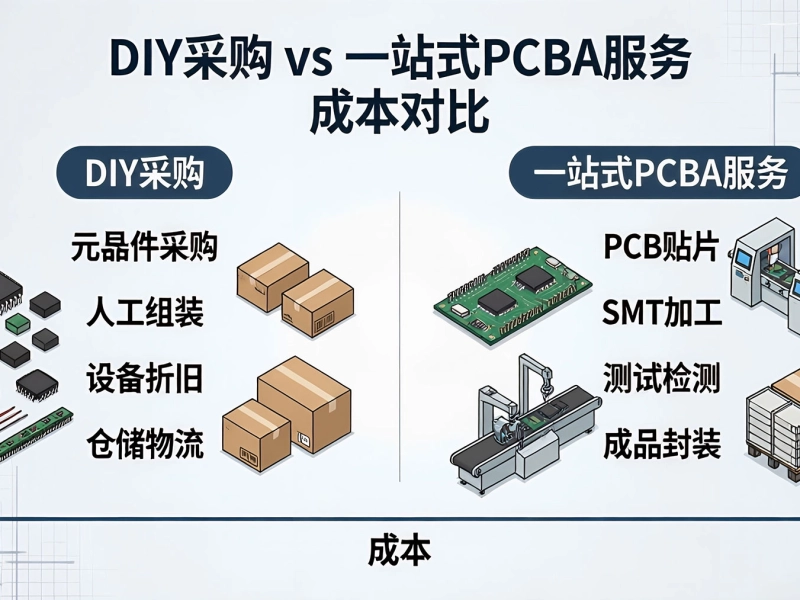
The Hidden Costs of DIY Sourcing vs. Turnkey PCBA ServicesJune/08/2026

Risk Mitigation: How Turnkey Services Handle Obsolete ComponentsJuly/16/2026
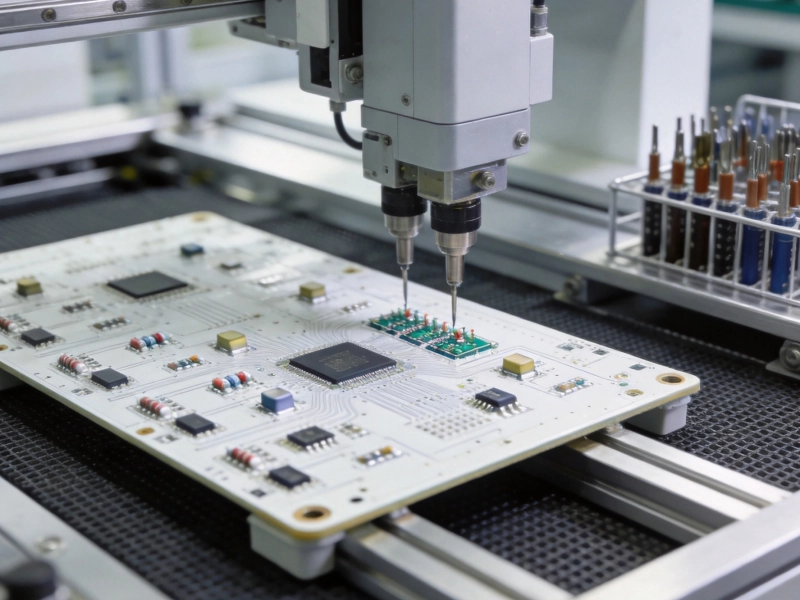
How to Choose the Right PCB Assembly Services for Your ProjectSeptember/29/2026
Scaling from 10 Prototypes to 10,000 Units: A Turnkey PCBA Success StoryJuly/24/2026
Understanding the Basics of SMT PCB Assembly China: A 2026 GuideOctober/13/2026