Open Nav


If you are sourcing Electronics Manufacturing, chances are you have heard of Shenzhen. Known as the "Silicon Valley of Hardware," this city in southern China has become a global hub for pcb assembly services. But what exactly should you expect when working with pcb assembly Shenzhen suppliers? Whether you are a startup prototyping your first board or an established company looking to scale production, understanding the landscape is crucial for a smooth partnership.
In this article, we will break down the typical experience of working with Shenzhen-based Pcb Assembly providers, covering their strengths, common challenges, and practical tips to get the best results.
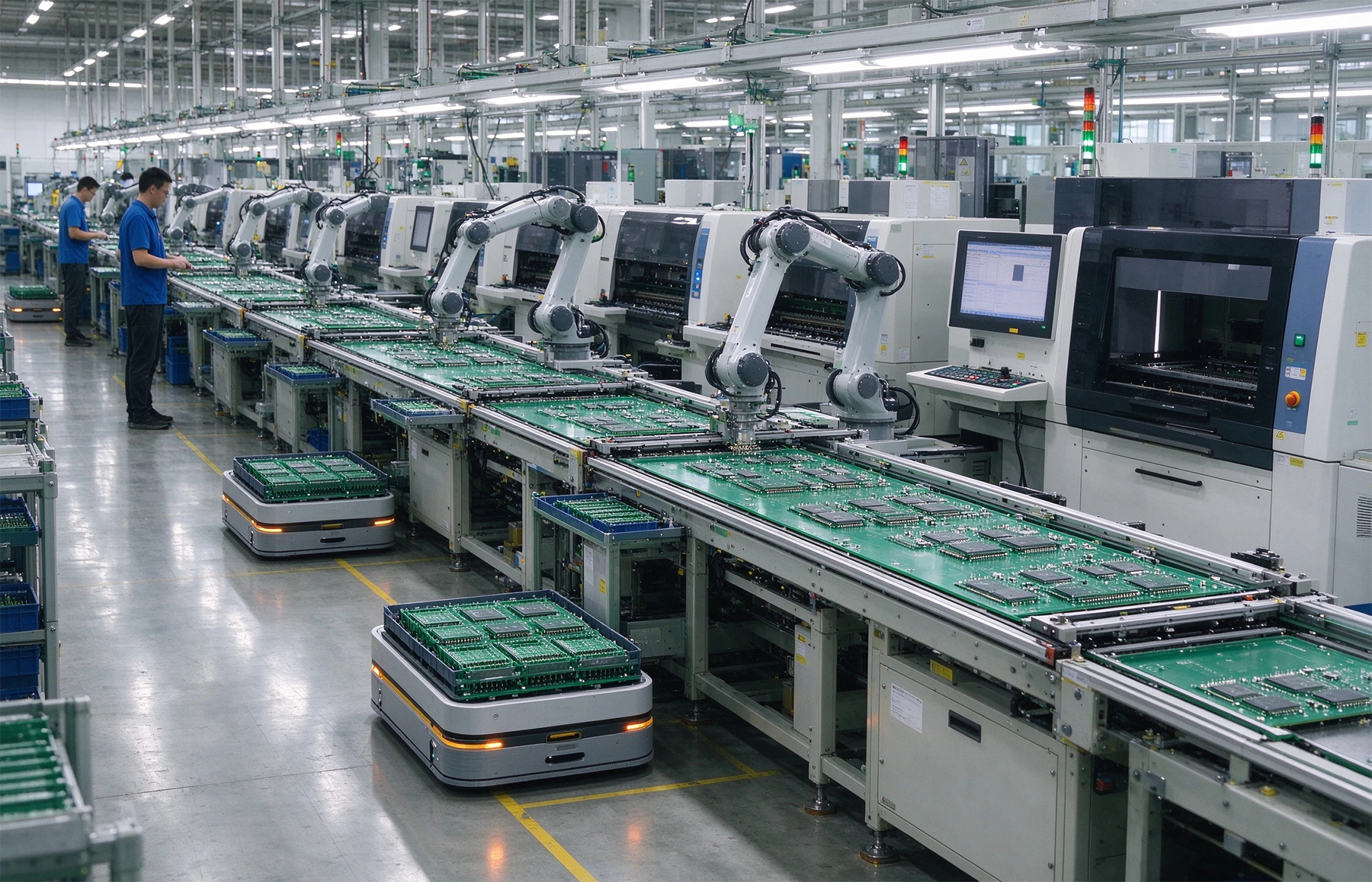
Shenzhen's rise as an Electronics Manufacturing powerhouse is no accident. The city benefits from a highly concentrated Supply Chain where component distributors, Pcb fabricators, assembly houses, and testing labs are often within a few hours' drive of each other. This proximity enables fast turnaround times that are hard to match elsewhere.
Most Pcb Assembly Shenzhen suppliers offer end-to-end services, from Bare Board fabrication to Component Sourcing, Smt Assembly, through-hole insertion, testing, and final box-build. This one-stop-shop model reduces coordination overhead and simplifies logistics for overseas customers.
One of the biggest advantages of Shenzhen suppliers is speed. Many factories can deliver assembled prototypes within 3 to 7 days, depending on component availability. For urgent projects, some even offer 24-48 hour expedited services at a premium. This rapid iteration cycle is invaluable during product development.
Unlike many Western manufacturers that require high minimum order quantities, Shenzhen Pcb assembly suppliers are generally very flexible. You can order as few as 5 to 10 pieces for prototyping, scale up to hundreds for pilot runs, and then ramp to thousands for mass production—all with the same supplier. This flexibility is particularly friendly to startups and small businesses.
Most Shenzhen assembly houses have strong relationships with component distributors in Huaqiangbei, the famous electronics market in Shenzhen. They can source both common and obscure parts, often at competitive prices. Many also offer component verification services to help you avoid counterfeit parts, which is a legitimate concern in any large electronics market.
Expect most suppliers to handle standard Smt Assembly with component sizes down to 0201 or 01005, Bga/CSP packages with fine pitch, and mixed technology boards combining SMT and through-hole components. More advanced factories also offer flex-rigid assembly, press-fit technology, and Conformal Coating services.
While larger and more export-oriented suppliers typically have English-speaking sales engineers, the level of technical English can vary. It is common to communicate through email, WeChat, or online quoting platforms. Be prepared to be very clear and specific in your requirements. Providing detailed assembly drawings, pick-and-place files, and clear BOMs will minimize misunderstandings.
Many Shenzhen PCB assembly suppliers now offer instant online quoting platforms where you can upload Gerber Files and BOMs to receive a price within minutes. These systems are convenient but may not catch all design issues. Always request a manual Dfm Review from their engineering team before confirming production.
Standard payment terms for new customers are typically 100% upfront via wire transfer, PayPal, or credit card. As you build a relationship and place repeat orders, you may negotiate better terms such as 50% deposit and 50% before shipment. Be aware that PayPal often adds a surcharge of 3-5%.
Quality among Shenzhen PCB assembly suppliers varies significantly. The top-tier factories hold certifications such as ISO 9001, Iso 14001, Iatf 16949 for automotive, and Ipc-a-610 Class 2 or Class 3 standards. However, there are also many smaller workshops with less rigorous Quality Control.
When evaluating suppliers, ask about their inspection processes. Reputable suppliers should perform Automated Optical Inspection (AOI), X-ray inspection for BGAs, in-circuit testing (ICT), and functional testing as needed. Requesting first-article inspection reports and photos before full production is a common and reasonable practice.
While assembly itself is fast, component availability can be a bottleneck, especially during global shortages. Some parts may have lead times of several weeks or months. To mitigate this, share your BOM early and ask the supplier to check component stock before committing to a schedule. Consider approving alternative components in advance to avoid delays.
Shenzhen is 8 hours ahead of London and 12-15 hours ahead of North American time zones. This means real-time communication windows are limited. Plan your questions and feedback in batches and send them at the start of the Shenzhen business day (around 9 AM CST, which is evening in the US) to get same-day responses.
IP protection is a valid concern for many foreign companies. While China has strengthened its IP laws in recent years, it is wise to take precautions. Sign NDAs before sharing sensitive designs, consider splitting production across multiple suppliers for highly confidential products, and register your trademarks and patents in China if you plan long-term business there.
Working with PCB assembly Shenzhen suppliers can offer significant advantages in terms of speed, flexibility, and cost. The key to success lies in choosing the right partner, communicating clearly, and setting realistic expectations. By understanding what to expect and preparing accordingly, you can leverage Shenzhen's Manufacturing ecosystem to bring your products to market faster and more efficiently.
Whether you need a quick prototype or a full production run, Shenzhen has a supplier that can meet your needs. Do your due diligence, start small, and build the relationship over time. The rewards can be well worth the effort.
For prototypes with available components, typical turnaround is 3 to 7 days. Expedited services can deliver in 24-48 hours at a higher cost. Production runs depend on order quantity and component lead times, usually ranging from 2 to 4 weeks.
Many are highly reliable, especially those with international certifications and experience serving overseas customers. However, quality varies across the market, so it is important to vet suppliers carefully and start with a trial order.
Standard requirements include Gerber files (RS-274X format) for the PCB layout, drill files, a BOM in Excel or CSV format with manufacturer part numbers, and a pick-and-place file for SMT assembly. Assembly drawings in PDF are also helpful.
Yes, many suppliers can handle complex assemblies including fine-pitch BGAs, flex-rigid boards, press-fit connectors, and Conformal Coating. For highly specialized processes, verify the supplier's specific capabilities before placing an order.
About the author: With over 10 years of experience in the PCB and electronics Manufacturing industry, I have worked extensively with suppliers across Shenzhen and the Pearl River Delta. I have helped numerous international companies navigate the sourcing process and establish reliable manufacturing partnerships in China.
Downloadable Resources: DFM Checklists and BOM TemplatesAugust/03/2026
The Ultimate Guide to PCB Assembly Services in 2026September/24/2026
Requesting a Quote: A Step-by-Step Walkthrough for New ClientsSeptember/17/2026
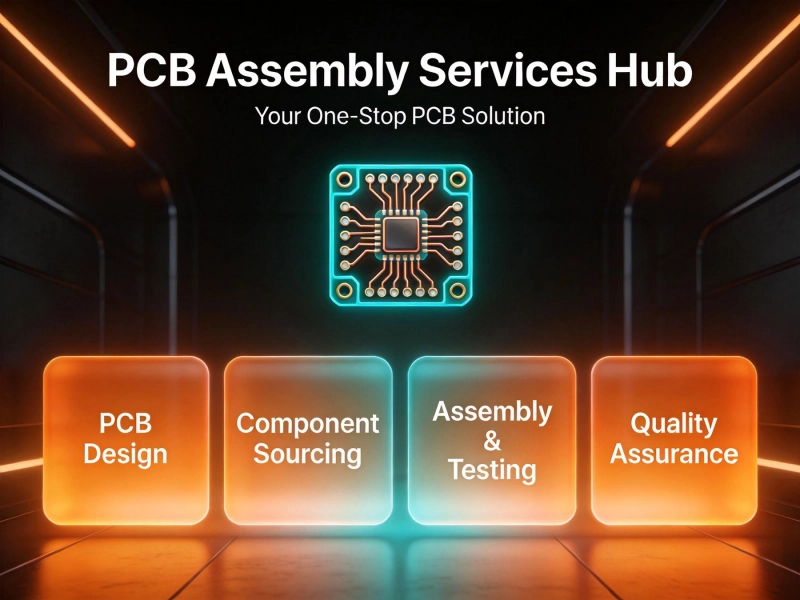
Welcome to Our PCB Assembly Services Hub: Your Resource CenterMay/22/2026
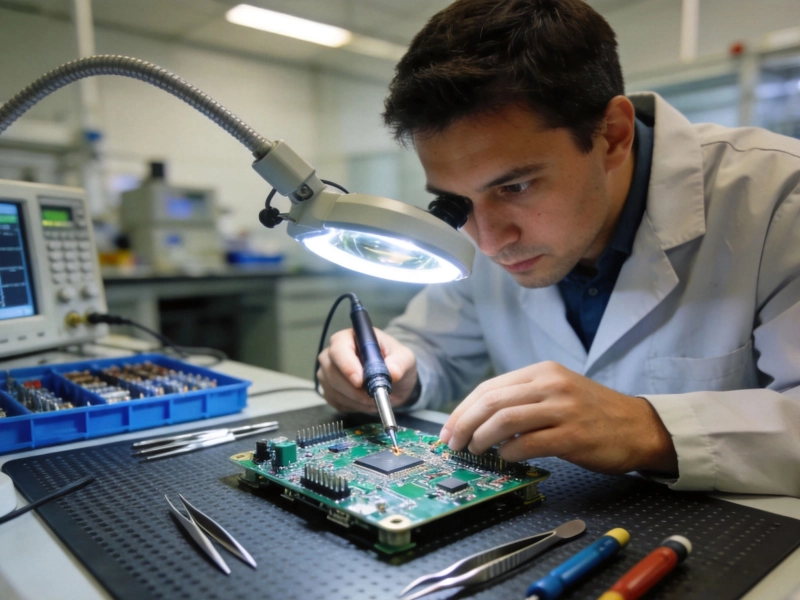
How We Handle Rush Orders and Quick-Turn PCB PrototypingJuly/08/2026
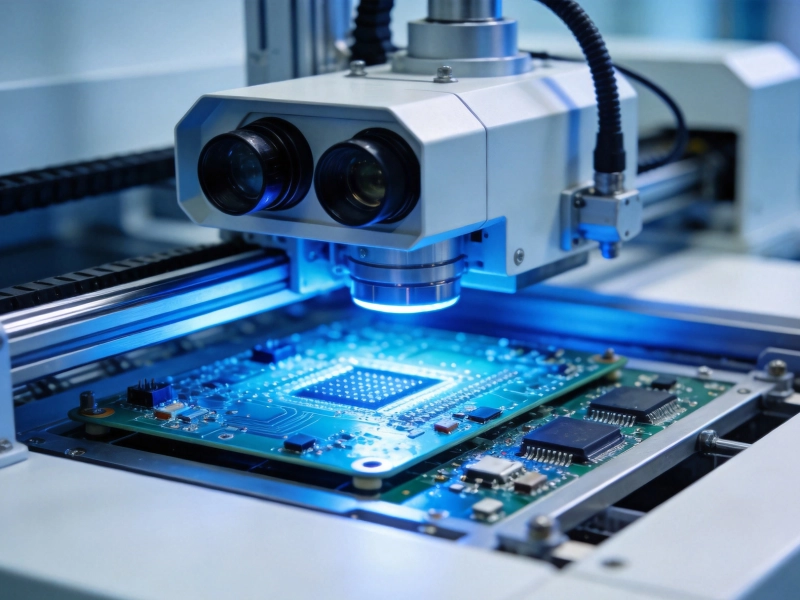
Our Quality Assurance Promise: AOI, X-Ray, and Functional TestingJune/26/2026
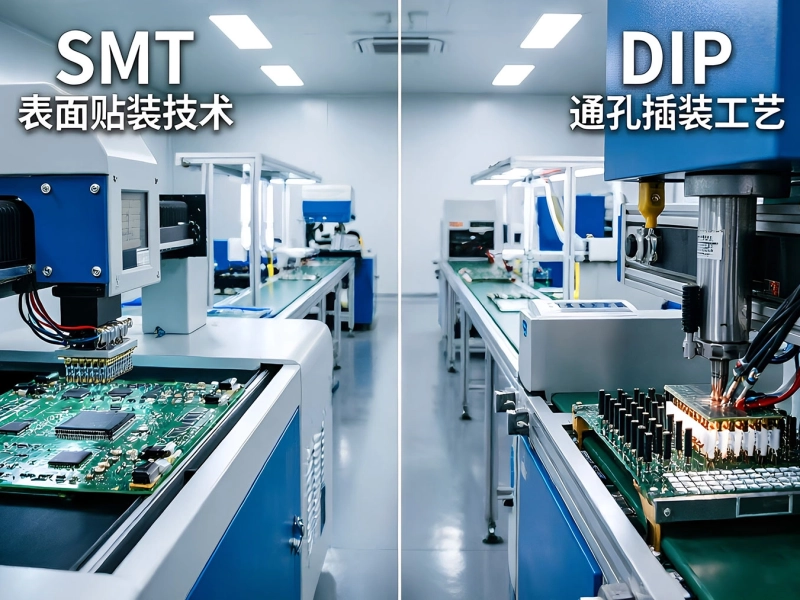
Comprehensive Guide to Our SMT and DIP CapabilitiesJune/09/2026

Meet the Team: Expertise Behind Our High-Yield Production LinesSeptember/02/2026