Open Nav


In the fast-paced world of Electronics Manufacturing, the temptation to manage your own Supply Chain can be strong. "Do It Yourself" (DIY) sourcing promises lower component costs and total control over every aspect of production. However, for many Hardware Startups and established companies alike, this approach often leads to a financial black hole. While the price per unit on a spreadsheet might look attractive initially, the reality of logistics, risk management, and operational overhead tells a different story.
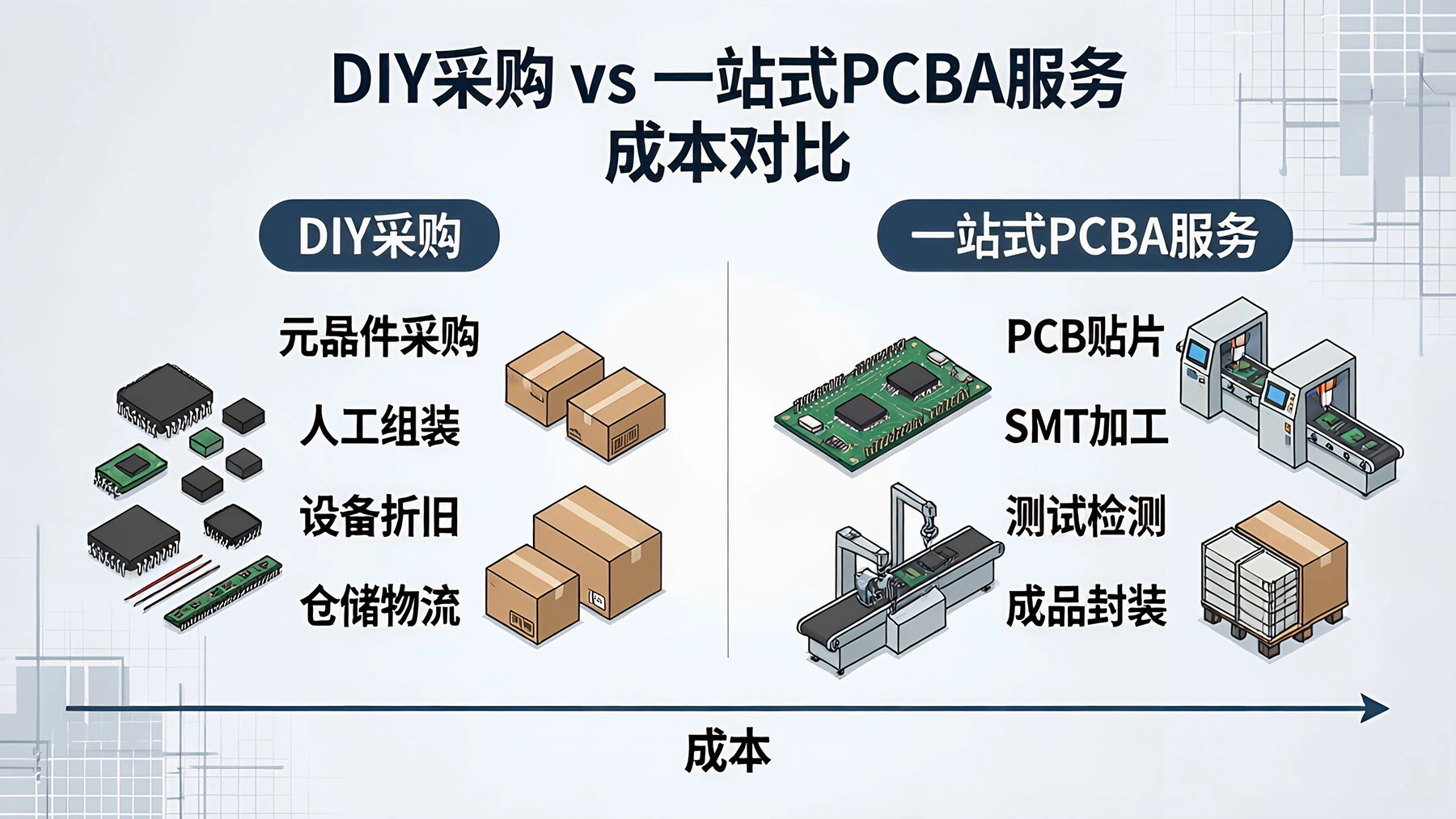
When you source components independently, you are essentially acting as a procurement department. You scour distributors like Digi-Key, Mouser, or direct factories to find the best price. On paper, buying a microcontroller for $2.50 instead of the $3.00 a Contract Manufacturer charges seems like a win. But that $0.50 savings ignores the massive infrastructure required to support it.
A single Printed Circuit Board Assembly (Pcba) might require 50 unique parts. If you source these yourself, you aren't just paying for the parts; you are paying for 50 separate shipping invoices. Expedited shipping fees to keep a prototype line moving can easily eat up any margin gained from cheaper components. In contrast, turnkey providers leverage bulk shipping rates and consolidated logistics networks that are inaccessible to individual buyers.
Components have lifecycles. A chip you bought six months ago might be End-of-Life (EOL) by the time you are ready for your second production run. Managing this risk requires dedicated software and personnel. Furthermore, Minimum Order Quantities (MOQs) often force DIY sourcers to buy 3,000 units when they only need 500. The capital tied up in "just-in-case" inventory is a silent killer of cash flow. Turnkey services absorb this risk, holding stock and managing lifecycle transitions so you don't have to.
The grey market is rife with counterfeit electronics. Without rigorous testing equipment and established vendor relationships, DIY sourcers are vulnerable to receiving fake or refurbished chips. A single batch of bad capacitors can ruin an entire production run, leading to costly rework, returns, and brand damage. Professional Pcba houses have Incoming Quality Control (IQC) labs specifically designed to detect these issues before assembly begins.
Perhaps the most significant hidden cost is time. Every hour your engineering team spends chasing down a datasheet, arguing with a supplier about a delayed shipment, or reconciling an invoice is an hour not spent innovating. In the tech industry, speed to market is currency. Turnkey Pcba services allow your team to focus entirely on product development while the Manufacturing partner handles the heavy lifting of the Supply Chain.
While DIY sourcing offers the illusion of savings, the aggregate costs of logistics, risk, inventory, and lost productivity usually result in a higher Total Cost Of Ownership (TCO). Turnkey Pcba services provide more than just assembly; they offer Supply Chain Resilience and operational efficiency. For companies looking to scale reliably, the premium paid for a turnkey solution is often an investment in peace of mind and long-term profitability.

How to Read a Quote for Low Volume PCB AssemblyOctober/12/2026
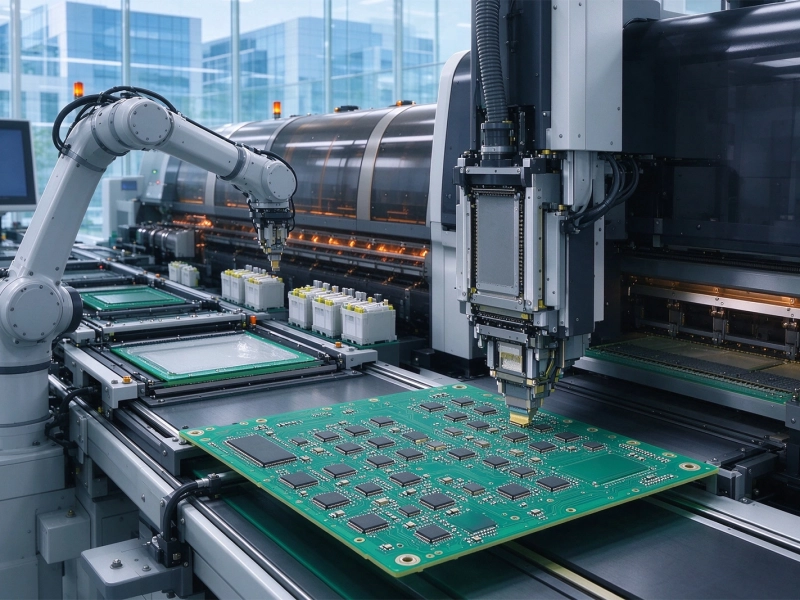
Understanding the Basics of SMT PCB Assembly China: A 2026 GuideOctober/13/2026
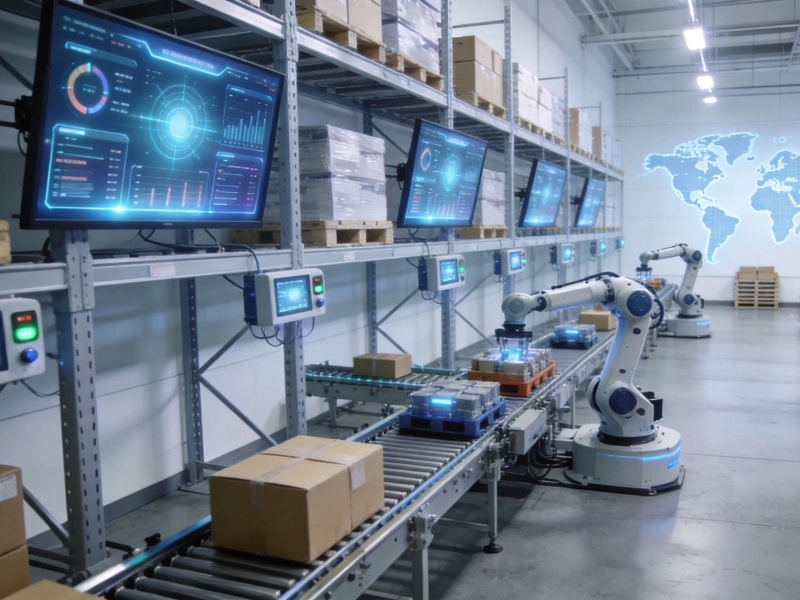
The Role of Supply Chain Management in Successful Turnkey ProjectsSeptember/10/2026

What to Look for in a Reliable Turnkey PCB Assembly PartnerAugust/03/2026
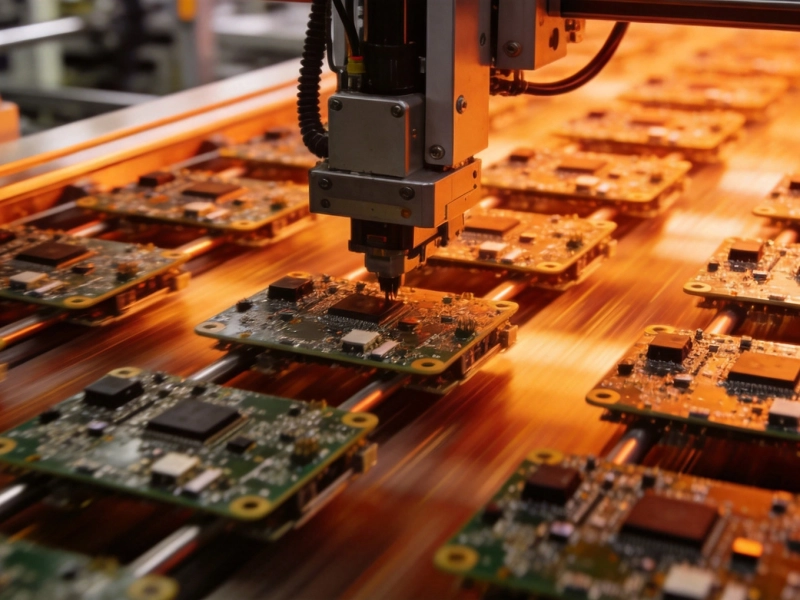
Scaling from 10 Prototypes to 10,000 Units: A Turnkey PCBA Success StoryJuly/24/2026
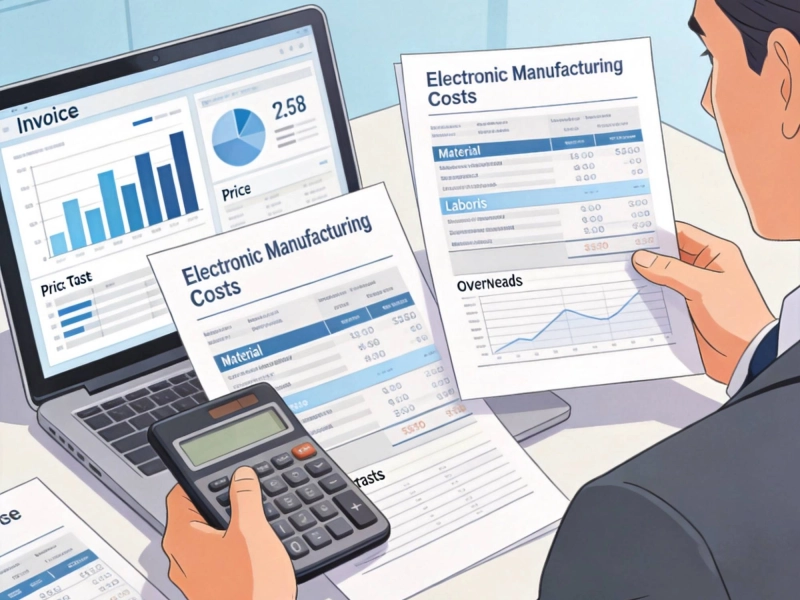
Transparent Pricing: Breaking Down the Quote for Turnkey AssemblySeptember/16/2026

Risk Mitigation: How Turnkey Services Handle Obsolete ComponentsJuly/16/2026
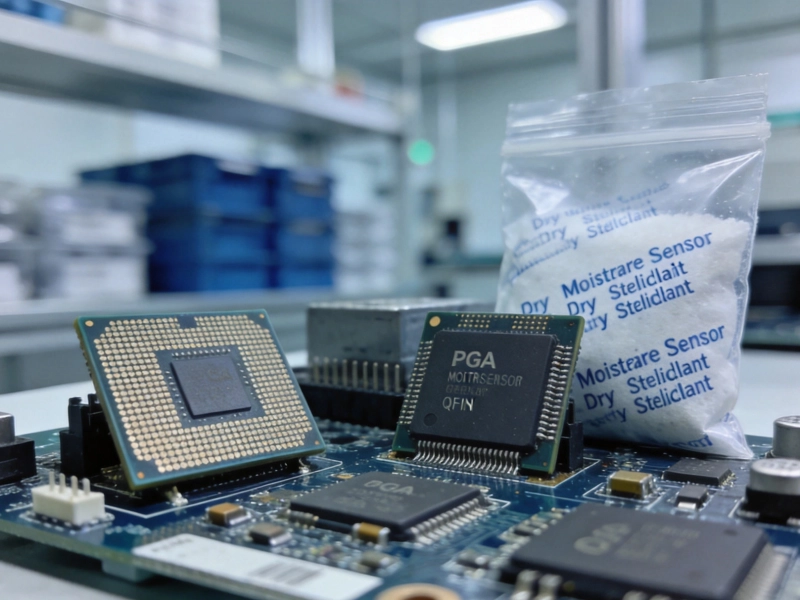
Managing Moisture Sensitivity Levels (MSL) for BGA and QFN PackagesAugust/15/2026