Open Nav


In the medical field, the margin for error is razor-thin. When a diagnostic imaging machine produces results, when an infusion pump delivers medication, or when a cardiac monitor tracks a patient's heartbeat, lives depend on the flawless operation of electronic systems. At the heart of these life-critical devices lies the printed circuit board (Pcb)—the foundation upon which all medical electronics are built.
The stakes in Medical Device Manufacturing extend far beyond typical consumer electronics. A smartphone failure is an inconvenience; a pacemaker failure is a matter of life and death. This fundamental difference drives unique requirements for medical device pcb assembly that set it apart from virtually every other industry.
This comprehensive guide explores why high-reliability pcb assembly is so critical for medical devices, examining the standards, techniques, and practices that ensure these electronic systems can be trusted with human lives.
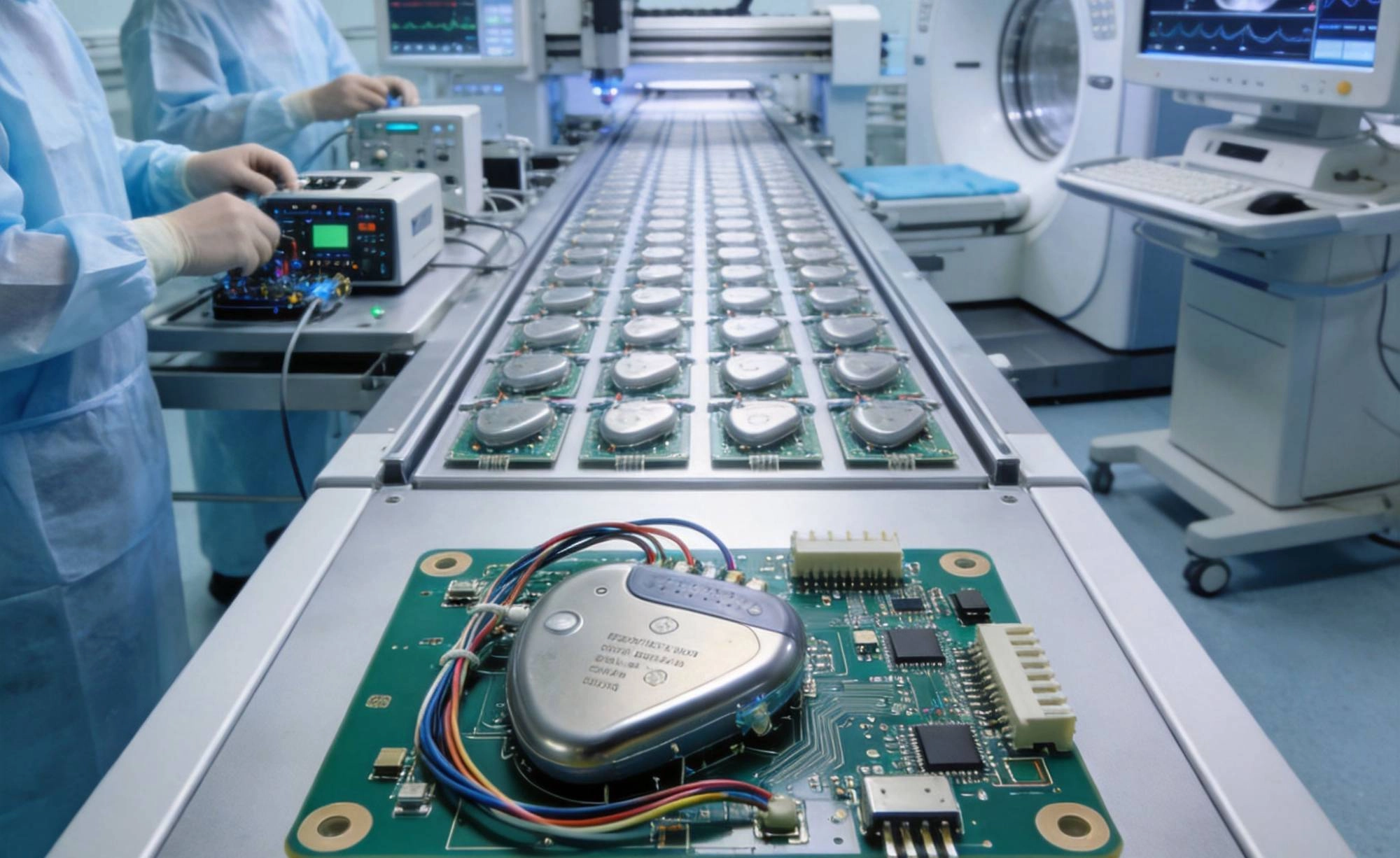
Medical devices operate in environments where electronic failures can have immediate, severe, and potentially fatal consequences. Understanding this context helps explain why reliability requirements in medical Electronics Manufacturing exceed those of virtually every other industry.
Consider the range of medical devices that depend on reliable Pcb Assembly:
In each of these applications, electronic failure can cause immediate harm—whether through incorrect treatment delivery, loss of monitoring capability, or catastrophic device malfunction during a critical procedure.
The medical device industry operates under some of the most stringent regulatory frameworks in existence. In the United States, the Food and Drug Administration (FDA) oversees device approval through the 510(k) premarket notification process or the more rigorous Premarket Approval (PMA) pathway. In Europe, the Medical Device Regulation (MDR) establishes requirements for devices sold within the European Union.
These regulatory frameworks require extensive documentation, validation, and verification of every aspect of device Manufacturing—including Pcb Assembly processes. Failure to meet these requirements prevents market access, while post-market failures can trigger recalls, fines, and legal liability.
Medical Device Pcb Assembly operates within a complex framework of international standards designed to ensure consistency, safety, and reliability.
ISO 13485 is the foundational standard for medical device Quality Management systems. It establishes requirements for:
Pcb assembly facilities serving medical device manufacturers must operate under a quality management system that meets these requirements, with regular audits to verify compliance.
While not specific to medical devices, Ipc Standards define industry-accepted requirements for Electronics Assembly quality:
Medical device manufacturers typically require their assembly partners to demonstrate IPC certification, often at the highest proficiency level.
The IEC 60601 family of standards establishes safety and essential performance requirements for medical electrical equipment. This comprehensive standard addresses:
PCB assembly must support compliance with these requirements through proper design, component selection, and Manufacturing processes.
Medical device PCBs must meet reliability requirements that exceed typical commercial applications by significant margins.
Many medical devices are expected to operate reliably for years or even decades:
Achieving these reliability targets requires accelerated life testing, burn-in procedures, and extensive qualification of components and processes.
Medical devices often face aggressive failure rate targets measured in failures per million hours of operation. For critical monitoring systems, this can translate to failure rates below 1 part per million (PPM). Meeting these targets requires:
Medical devices may face demanding environmental conditions:
PCB assembly processes must ensure that assemblies can withstand these conditions throughout the product's intended lifetime.
Achieving medical-grade reliability requires specialized assembly techniques that exceed standard manufacturing approaches.
Many medical device PCB assemblies require manufacturing in controlled environments:
Clean room manufacturing prevents contamination that could compromise long-term reliability, particularly for devices that will be implanted or used in sterile environments.
Solder joint reliability in medical devices requires careful attention to process control:
Conformal Coating provides additional protection for medical device assemblies:
Common Conformal Coating materials include acrylics, urethanes, silicones, and parylene—each with specific performance characteristics suited to different applications.
For assemblies with high-reliability requirements, additional protection measures include:
The reliability of a medical device PCB begins with component selection. Medical-grade components undergo qualification processes that exceed commercial-grade screening.
Component grades offer different reliability levels:
Medical device manufacturers select component grades based on application requirements, with many specifying automotive or military-grade components for critical applications.
Reputable medical device assembly facilities implement incoming inspection programs:
Medical device regulations require extensive documentation and traceability that goes far beyond typical commercial manufacturing.
Every medical device assembly must be documented with records that demonstrate:
These records must be retained for the lifetime of the device plus a specified period, enabling investigation of any field failures.
Medical device manufacturers require the ability to trace assemblies back to:
This traceability enables targeted recalls if component or process issues are discovered, minimizing patient impact while reducing the scope of necessary corrective actions.
Any changes to medical device PCBs—including component substitutions, process changes, or manufacturing location changes—require formal change control procedures:
Medical Device Pcb Assembly undergoes extensive testing and validation to ensure it meets reliability requirements.
Before production begins, medical device assemblies undergo:
Manufacturing processes must be validated to demonstrate they can consistently produce conforming assemblies:
Production assemblies undergo continuous quality monitoring:
Selecting the right medical PCB assembly partner is one of the most consequential decisions in medical device development.
Your assembly partner should demonstrate:
Before committing to a partnership, conduct thorough evaluation:
Medical device development takes years, and products often remain in production for decades. Consider:
While high-reliability medical PCB assembly involves higher costs than standard commercial manufacturing, the alternative—device failure—carries far greater expense.
When weighed against these potential costs, the investment in high-reliability assembly is not merely justified—it is essential for responsible medical device development.
High-reliability PCB assembly is not optional in medical devices—it is a fundamental requirement that directly impacts patient safety and treatment outcomes. The medical device industry has developed comprehensive frameworks of standards, techniques, and validation processes to ensure that electronic systems can be trusted with human lives.
From ISO 13485 quality management systems to specialized assembly techniques, from component qualification to comprehensive documentation, every aspect of medical PCB assembly is designed to eliminate defects and ensure consistent, reliable performance throughout the product lifetime.
For medical device manufacturers, the choice of assembly partner carries profound responsibility. Working with qualified, experienced partners who understand the unique requirements of medical electronics ensures that devices reaching patients and healthcare providers meet the highest standards of quality and reliability.
As medical technology continues to advance—with increasingly sophisticated monitoring, diagnostic, and therapeutic capabilities—the importance of reliable PCB assembly will only grow. Investing in quality assembly today protects patients, builds reputations, and creates the foundation for continued innovation in medical technology.
Essential certifications include ISO 13485 (medical device quality management), ISO 9001 (general quality management), and IPC certification for assembly processes. Additional certifications may include Iso 14001 (environmental management) and specific industry certifications relevant to your product. Always verify current certification status with the issuing registrar.
Medical PCB assembly involves stricter process controls, enhanced documentation and traceability requirements, specialized cleaning and packaging procedures, more rigorous incoming inspection, and extensive validation of manufacturing processes. Every step must be documented and traceable, with processes validated to demonstrate they consistently produce conforming output.
Lead times vary based on complexity and required qualification activities. Standard medical-grade assemblies may require 4-8 weeks for initial qualification builds, with production lead times of 2-4 weeks for established products. Complex assemblies with extensive testing requirements may take longer. Building adequate lead time into product development schedules prevents costly expedited charges.
Medical-grade assembly typically costs 30-100% more than standard commercial assembly, depending on complexity, testing requirements, and documentation burden. While this represents significant cost increase, it must be viewed in context of recall costs, regulatory penalties, and liability exposure that could result from quality failures.
Testing requirements depend on device classification and intended use. Common tests include Automated Optical Inspection (AOI), X-ray inspection for hidden joints, flying probe or bed-of-nails electrical testing, functional testing for critical circuits, environmental stress testing (temperature cycling, burn-in), and potentially accelerated life testing. Your regulatory strategy and risk analysis determine specific testing requirements.
Navigating the Shift: Low-End vs. High-End PCB Assembly MarketsJune/12/2026

Sustainability in PCBA: The Push for Green and Lead-Free ProcessesJuly/28/2026

How Automotive Electronics are Redefining PCBA Quality StandardsJuly/01/2026
Why High-Reliability PCB Assembly is Critical for Medical DevicesMay/22/2026

The State of Global PCBA Manufacturing in 2026 and Key TakeawaysMay/22/2026

The Rise of AI Servers and Their Impact on HDI PCB AssemblyJuly/10/2026
Supply Chain Resilience: Lessons Learned for PCB Assembly BuyersAugust/06/2026
Understanding the True Cost Drivers in Modern Electronics ManufacturingJuly/20/2026