Open Nav


The world of Manufacturing certifications can feel overwhelming. Acronyms proliferate. Standards multiply. Every manufacturer claims compliance with something, and distinguishing meaningful certifications from marketing noise requires understanding what each one actually represents. For electronics buyers navigating Pcb Manufacturing, especially when sourcing from China, knowing which certifications matter and what they guarantee is essential for managing quality risk and ensuring regulatory compliance.
This article cuts through the jargon to explain the certifications that genuinely matter for Pcb Manufacturing and Electronics Assembly. We cover what each certification requires, what it tells you about a manufacturer's capabilities, and how to verify that certifications are current and legitimate.
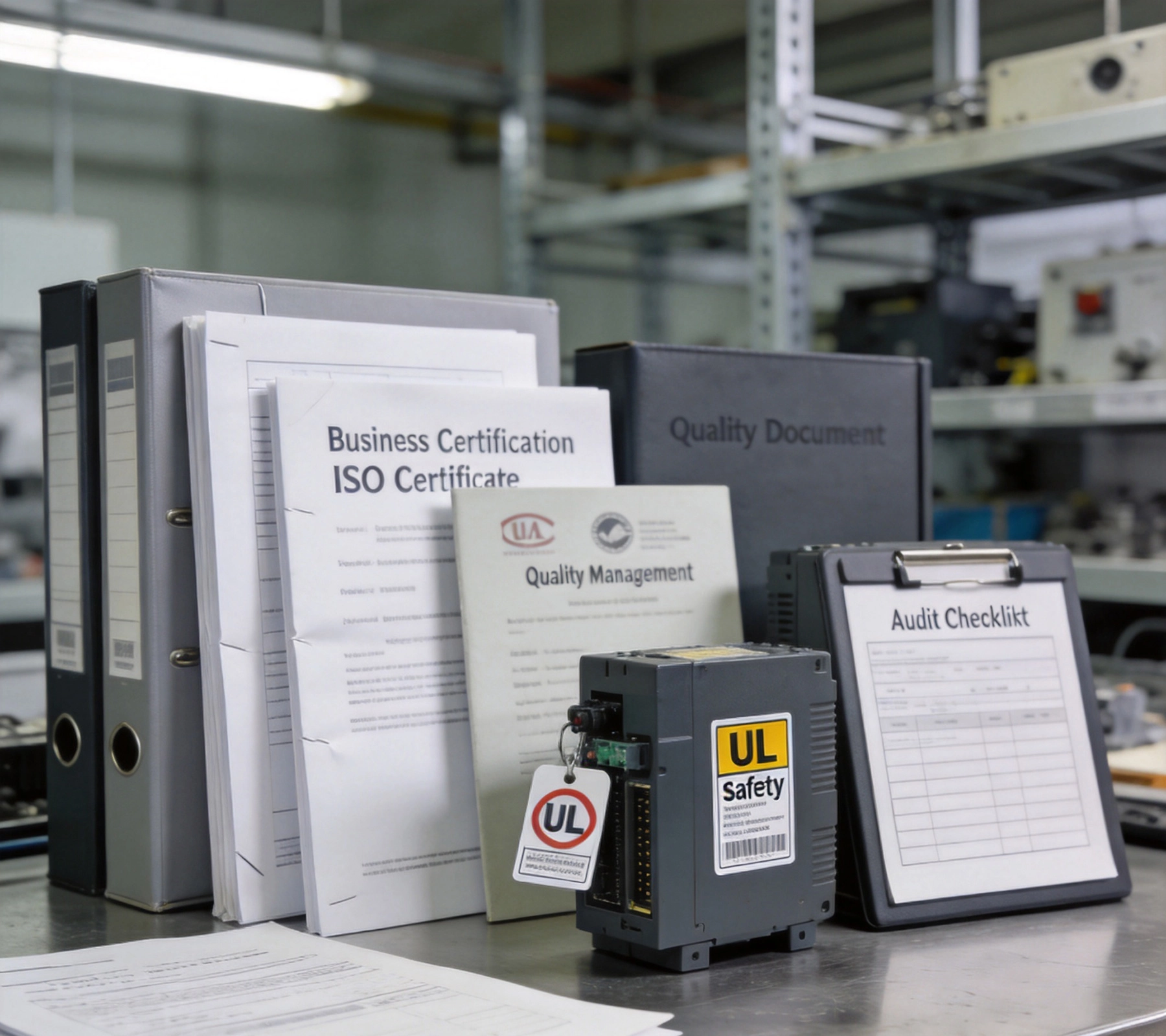
Certifications exist because trust is expensive to establish from scratch. When you work with a new manufacturer, you have no basis for confidence in their processes, quality, or consistency. Certifications provide third-party verification that a manufacturer has implemented specific systems, meets defined standards, and maintains those standards over time.
A certification is only as valuable as the rigor of the standard it represents and the credibility of the organization issuing it. Some certifications require comprehensive audits, ongoing surveillance, and re-certification. Others require little more than paying a fee. Understanding these differences is key to using certifications effectively in your supplier qualification process.
ISO 9001 is the international standard for Quality Management systems. It establishes a framework for organizations to consistently deliver products and services that meet customer and regulatory requirements. The current version, ISO 9001:2015, emphasizes risk-based thinking, leadership engagement, and continuous improvement.
The standard covers eight key Quality Management principles: customer focus, leadership, engagement of people, process approach, improvement, evidence-based decision making, relationship management, and a system approach to management. To achieve certification, a manufacturer must demonstrate that it has implemented processes addressing each of these areas.
ISO 9001 does not specify product quality requirements. It specifies the management processes that should lead to quality outcomes. A manufacturer can hold ISO 9001 certification while producing defective products if its processes are not effectively executed. This distinction matters when evaluating suppliers.
When a manufacturer holds ISO 9001 certification, you know that they have a documented quality management system, that leadership has committed to quality objectives, that they have processes for handling customer complaints and corrective actions, and that they have been audited by an accredited certification body.
ISO 9001 is a minimum bar for quality management. Manufacturers serious about quality typically hold ISO 9001 and additional certifications that address industry-specific requirements. If a manufacturer cannot produce an ISO 9001 certificate, it suggests significant gaps in their management approach.
ISO 9001 is a management system standard, not a technical competency standard. It does not verify that a manufacturer can produce multilayer PCBs to IPC-6012 Class 3 standards or that they have the equipment and expertise for HDI fabrication. These require additional assessment beyond ISO 9001.
The quality of ISO 9001 certification also varies. Accredited certification bodies apply consistent standards, but some non-accredited certifiers may be less rigorous. Always verify that the certifying body is accredited by a recognized national or international accreditation organization.
Iso 13485 builds on ISO 9001 with additional requirements specific to Medical Device Manufacturing. It covers design control, risk management, traceability, and regulatory compliance. Medical device manufacturers must demonstrate that their quality management system addresses the risks associated with medical device production.
For Pcb manufacturers serving medical device companies, Iso 13485 certification indicates that the factory has processes in place to handle the stringent documentation, traceability, and quality assurance requirements of the medical industry. This includes lot traceability from raw materials through finished boards and processes for validating Manufacturing processes.
Medical device regulatory frameworks in the US, Europe, Japan, and other markets require that manufacturers maintain quality management systems. ISO 13485 provides a globally recognized framework that regulatory authorities accept. Using a Pcb manufacturer without appropriate quality systems can prevent a medical device company from achieving regulatory clearance.
The documentation and traceability requirements of ISO 13485 create accountability and enable investigation if quality issues arise. For medical devices where failures can cause injury or death, this accountability is non-negotiable.
IATF 16949 replaced the former QS-9000 standard as the quality management system requirement for automotive suppliers. It was developed by the International Automotive Task Force in collaboration with ISO. The standard incorporates all requirements of ISO 9001 plus automotive-specific requirements covering Defect Prevention, scrap reduction, and traceability.
For PCB manufacturers serving automotive customers, IATF 16949 certification is often a prerequisite. Automotive OEMs and Tier 1 suppliers typically require that all members of their supply chain hold current IATF 16949 certification. Without it, a manufacturer cannot participate in automotive supply chains.
The standard includes requirements for product safety-related processes, corporate responsibility, process flow diagrams, process failure mode and effects analysis, measurement systems analysis, and statistical process control. Manufacturers must demonstrate competency in core tools including APQP (Advanced Product Quality Planning), PPAP (Production Part Approval Process), FMEA (Failure Mode and Effects Analysis), SPC, and MSA (Measurement System Analysis).
Automotive PCB manufacturing under IATF 16949 requires robust process controls, documented procedures, and statistical evidence of process capability. The standard emphasizes preventing defects rather than detecting them after production.
IATF 16949 certificates can be verified through the IATF database at iatfglobaloversight.org. This database lists all certified facilities with their certificate numbers, scope of certification, and validity dates. Always verify certificates against this database rather than accepting copies from manufacturers.
Note that IATF 16949 certificates have a defined scope. A manufacturer may be certified for specific processes or product categories. Confirm that the certificate covers the manufacturing processes your application requires.
Unlike ISO and IATF standards, which are management system certifications, IPC standards are technical specifications that define product requirements and Acceptance Criteria. IPC standards are developed by the IPC (Association Connecting Electronics Industries) and are widely recognized as the definitive reference for Electronics Manufacturing quality.
IPC-A-600 defines visual Acceptance Criteria for printed boards. It provides photographs and descriptions of acceptable, rejectable, and questionable conditions for various board characteristics including surface conditions, plated holes, conductors, solder mask, and marking. This standard is essential for quality inspection of PCBs.
When a manufacturer states that their boards meet IPC-A-600, they are typically referring to one of three acceptance classes. Class 1 covers general electronic products where extended performance is not expected. Class 2 covers dedicated service products with continuous performance expected but not critical. Class 3 covers high-performance/harsh environment boards where continued performance or performance on demand is critical.
IPC-6012 is the definitive standard for rigid multilayer and double-sided printed boards. It specifies requirements for base materials, conductor characteristics, plated holes, surface plating, solderability, and other technical parameters. This standard goes beyond Visual Inspection to include dimensional requirements, material properties, and electrical performance.
For multilayer PCB procurement, specifying IPC-6012 Class 3 compliance ensures that the manufacturer is held to defined standards for materials, process control, and acceptance criteria. Most automotive, medical, and aerospace applications require Class 3 compliance.
IPC-4101 defines specifications for laminate and prepreg materials used in PCB manufacturing. It classifies materials by their thermal, electrical, and mechanical properties. Compliance with IPC-4101 ensures that base materials meet defined performance standards.
PCB manufacturers should be able to provide material certifications demonstrating that their materials comply with relevant IPC-4101 specifications. This documentation is important for applications with specific thermal, electrical, or regulatory requirements.
Ipc-a-610 covers the acceptance criteria for assembled electronic assemblies. While it applies to pcb assembly rather than bare board fabrication, it is relevant for Turnkey Pcb services that include assembly. The standard covers component placement, solder connections, through-hole technology, Surface Mount Technology, and repair criteria.
UL (Underwriters Laboratories) is an independent safety certification organization. A UL listing indicates that a product has been tested against applicable safety standards and found to meet those requirements. For electronics, relevant UL standards cover fire safety, electrical safety, and in some cases, performance characteristics.
UL certification is product-specific. A UL listing for one product does not extend to other products from the same manufacturer. If your application requires UL-listed components or assemblies, you must verify that the specific product carries a current UL listing.
PCB materials carry UL ratings indicating their flame retardance and thermal performance. The UL94 standard classifies flame retardant materials by their performance in standardized fire tests. Most PCBs use UL94V-0 rated materials, which pass the most stringent flame test requirements.
UL also provides qualification services for PCB manufacturers, including QMF for printed wiring boards. A manufacturer with UL recognition has been evaluated for their manufacturing processes and quality systems relevant to producing listed products.
CE marking indicates that a product complies with applicable European Union directives, including those covering electrical safety, electromagnetic compatibility, and restricted substances. For electronics products sold in the EU, CE marking is mandatory.
PCB manufacturers do not directly provide CE marking, as the mark applies to finished products. However, the materials and processes used in PCB manufacturing must meet applicable EU requirements for the finished product to achieve CE compliance.
The Restriction of Hazardous Substances directive limits ten substances in electrical and electronic equipment: lead, mercury, cadmium, hexavalent chromium, polybrominated biphenyls, polybrominated diphenyl ether, and four phthalates. PCBs and assembled electronics must comply with these restrictions to be sold in the EU market.
Rohs Compliance is demonstrated through material declarations and testing. Manufacturers declare that their products comply with substance restrictions. For PCB manufacturing, the primary concerns are lead in surface finishes and flame retardants in laminate materials.
REACH (Registration, Evaluation, Authorisation and Restriction of Chemicals) is broader than RoHS, covering all chemical substances used in manufacturing. It requires registration of substances and restricts particularly dangerous substances. PCB manufacturers must manage the chemicals used in their processes to comply with REACH requirements.
Requesting copies of certificates is the first step, but certificates can be forged or outdated. Effective verification requires additional steps.
Many certification schemes maintain publicly accessible databases. ISO certificates can be verified through the ISO survey and through certification body databases. IATF 16949 certificates are verified through the IATF database. Always check these databases to confirm that certificates are current and cover the claimed scope.
Request audit reports from your manufacturer. Third-party certification audits generate reports documenting findings, nonconformities, and corrective actions. Reviewing these reports provides insight into the manufacturer's actual performance against certification requirements.
For critical applications, consider participating in or arranging surveillance audits. Some certification bodies allow customers to accompany auditors during factory visits. This provides direct visibility into manufacturing operations and quality management practices.
Certifications do not replace incoming inspection. Even with certified suppliers, verify product compliance through testing. This is particularly important for applications with critical safety or performance requirements.
Certifications often cover specific processes, products, or facilities. A manufacturer with ISO 9001 certification may be certified for some processes but not others. IATF 16949 certificates specify the scope of automotive quality management coverage. Always verify that the certification covers the specific manufacturing processes and products you require.
Multisite certifications cover multiple facilities under one certificate. This can be efficient for manufacturers with multiple locations, but it means that not every facility has been individually audited. Understand which facilities are covered by the certificate you are reviewing.
An effective supplier qualification program goes beyond collecting certificates. It includes understanding which certifications are relevant to your application, verifying certificates against authoritative databases, reviewing audit reports, assessing process capability, and maintaining ongoing verification through periodic audits and testing.
For regulated industries, documentation requirements are more stringent. Medical device manufacturers must maintain supplier qualification records as part of their regulatory compliance documentation. Automotive supply chains follow PPAP requirements that define documentation and qualification requirements.
ISO 9001 is a general quality management system standard applicable to any organization. IATF 16949 is specifically for automotive suppliers and adds automotive-specific requirements on top of ISO 9001. All IATF 16949 certified companies must also be ISO 9001 certified, but the reverse is not true.
No, ISO 9001 is voluntary. However, most reputable manufacturers pursue certification as evidence of their quality management commitment. Uncertified manufacturers may have legitimate quality practices but provide less verifiable assurance.
Use the IATF database at iatfglobaloversight.org to verify certificate validity, scope, and expiration. Request copies of certificates and compare against the database listing. Check whether the certification body is accredited by IATF.
Most commercial and industrial applications use Class 2. Automotive, medical, aerospace, and other applications where failure would have serious consequences should specify Class 3. Class 1 is typically reserved for consumer products with short expected lifespans.
Yes. Rohs Compliance is typically demonstrated through material declarations rather than third-party certification. Many manufacturers self-declare compliance. For critical applications, request documentation and test reports to verify compliance claims.
Recertification audits for major standards like ISO 9001 and IATF 16949 typically occur annually. However, certification status can change, and your verification should be current. For critical suppliers, annual verification is appropriate. For lower-risk suppliers, verification every two to three years may be adequate.
Frequently Asked Questions About Our PCB Assembly ProcessJuly/25/2026
How We Handle Rush Orders and Quick-Turn PCB PrototypingJuly/08/2026
Our Quality Assurance Promise: AOI, X-Ray, and Functional TestingJune/26/2026

Customer Success Stories: Real Projects Delivered by Our TeamJuly/17/2026
Welcome to Our PCB Assembly Services Hub: Your Resource CenterMay/22/2026

Meet the Team: Expertise Behind Our High-Yield Production LinesSeptember/02/2026
Downloadable Resources: DFM Checklists and BOM TemplatesAugust/03/2026
Comprehensive Guide to Our SMT and DIP CapabilitiesJune/09/2026