

Learn how top-tier manufacturers are leveraging data and robotics to achieve zero-defect production, enhance traceability, and meet the rigorous demands of modern automotive and medical applications.
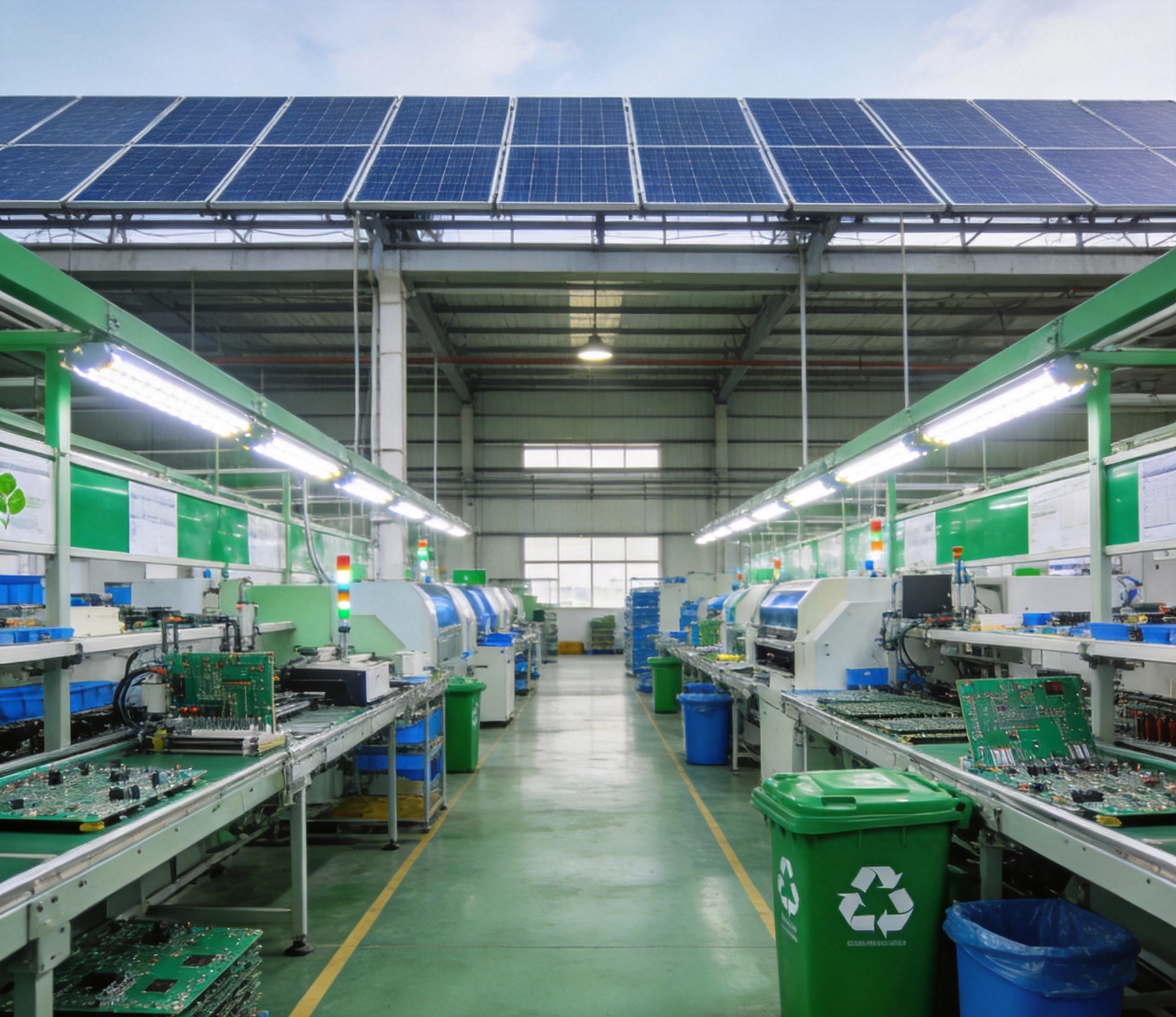
Green Manufacturing: Reducing Carbon Footprint in PCB Assembly Plants Environmental responsibility is no longer optional for electronics manufacturers. Regulations like the EU's Carbon Border Adjustment Mechanism and growing customer demand for sustainable supply chains are pushing PCB assembly plants to measure and reduce their carbon footprint. For companies sourc...
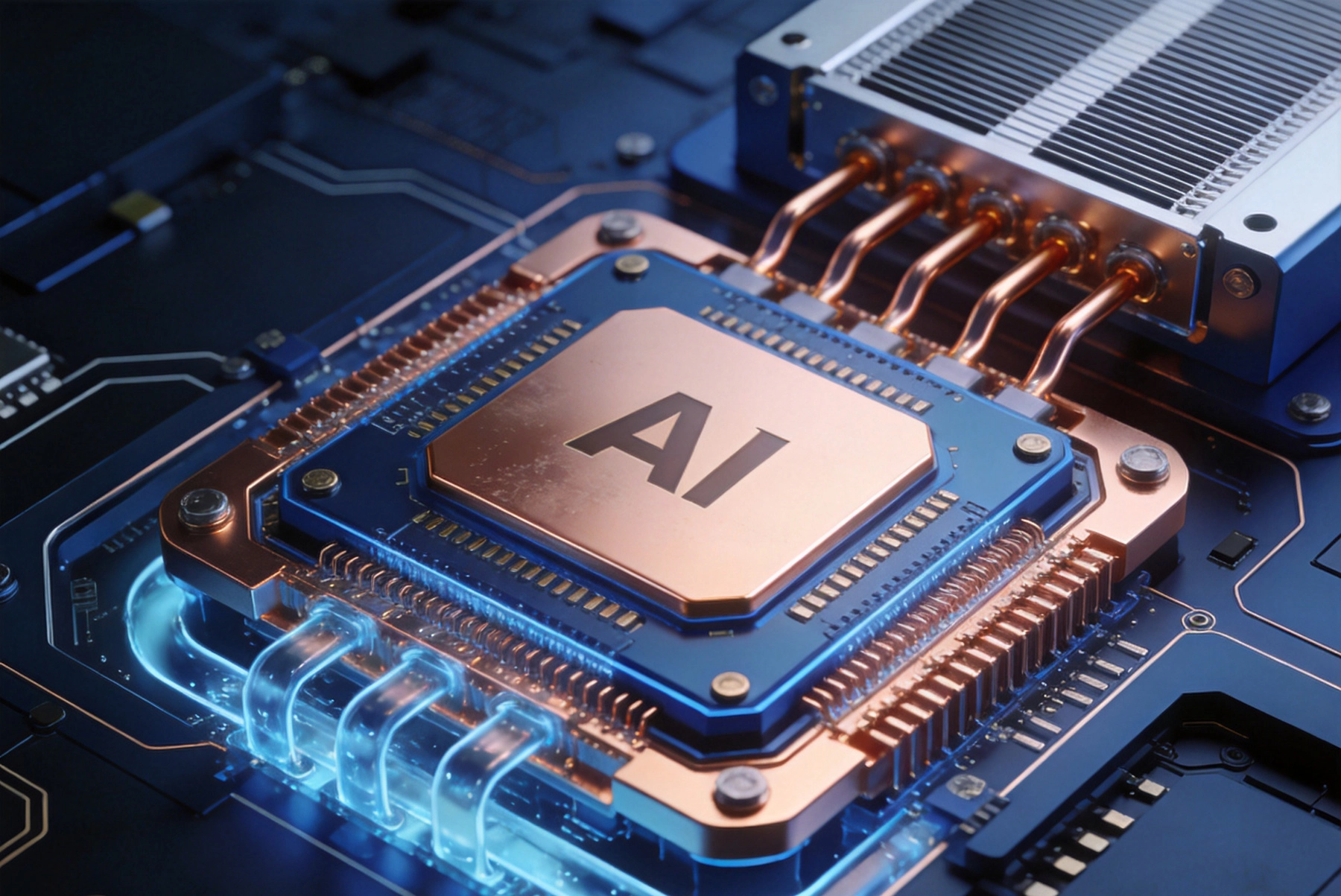
Advanced Thermal Management Solutions for High-Power AI Chips Artificial intelligence computing demands unprecedented power density from silicon. Modern AI accelerators dissipate hundreds of watts from chips smaller than a credit card, creating thermal challenges that conventional cooling approaches cannot adequately address. As AI models grow more complex a...
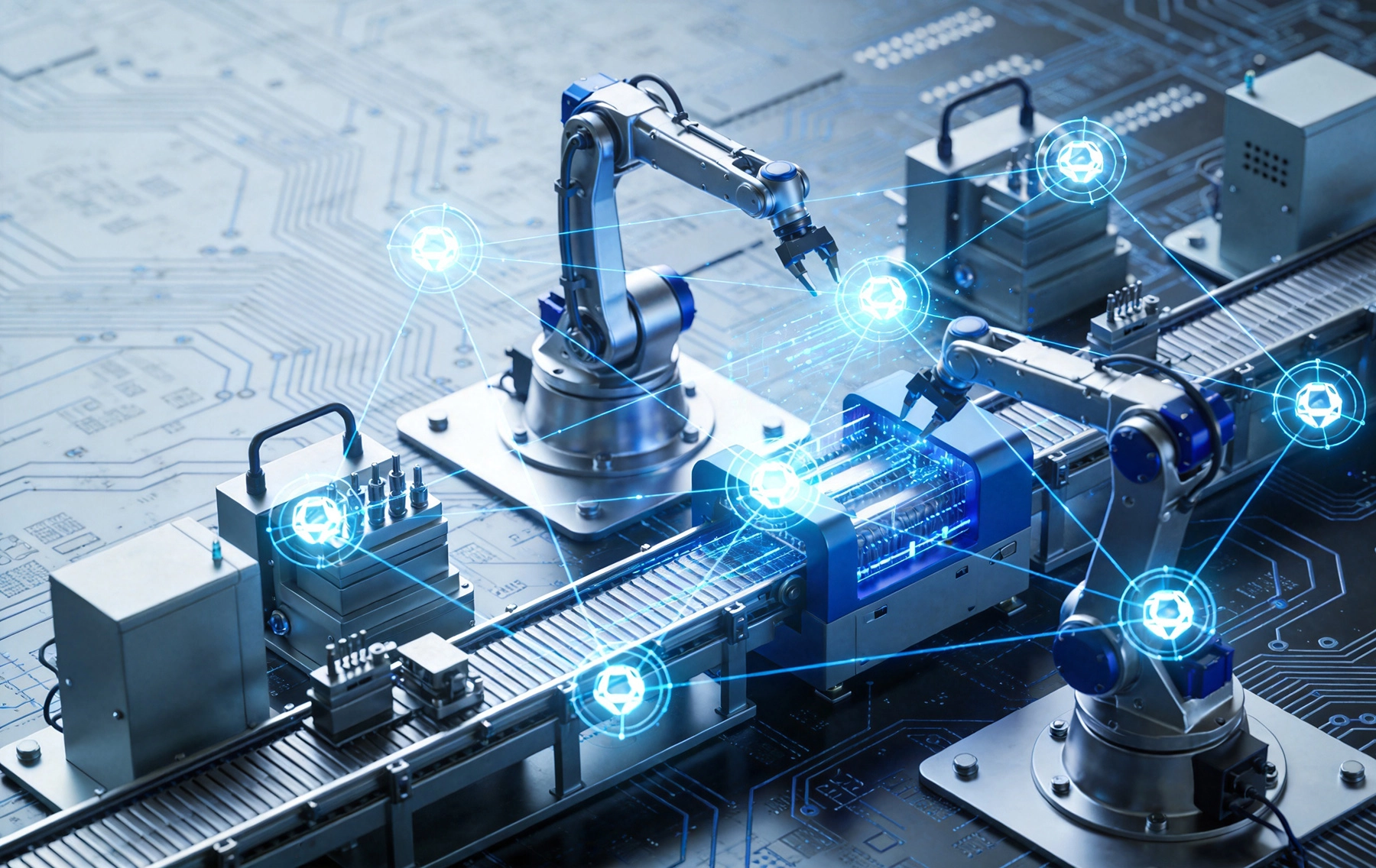
The Growing Importance of Traceability and Blockchain in PCBA The printed circuit board assembly industry is undergoing a fundamental transformation in how it manages product quality, supply chain integrity, and regulatory compliance. As global electronics supply chains grow more complex and consumer expectations for product reliability increase, traceabilit...
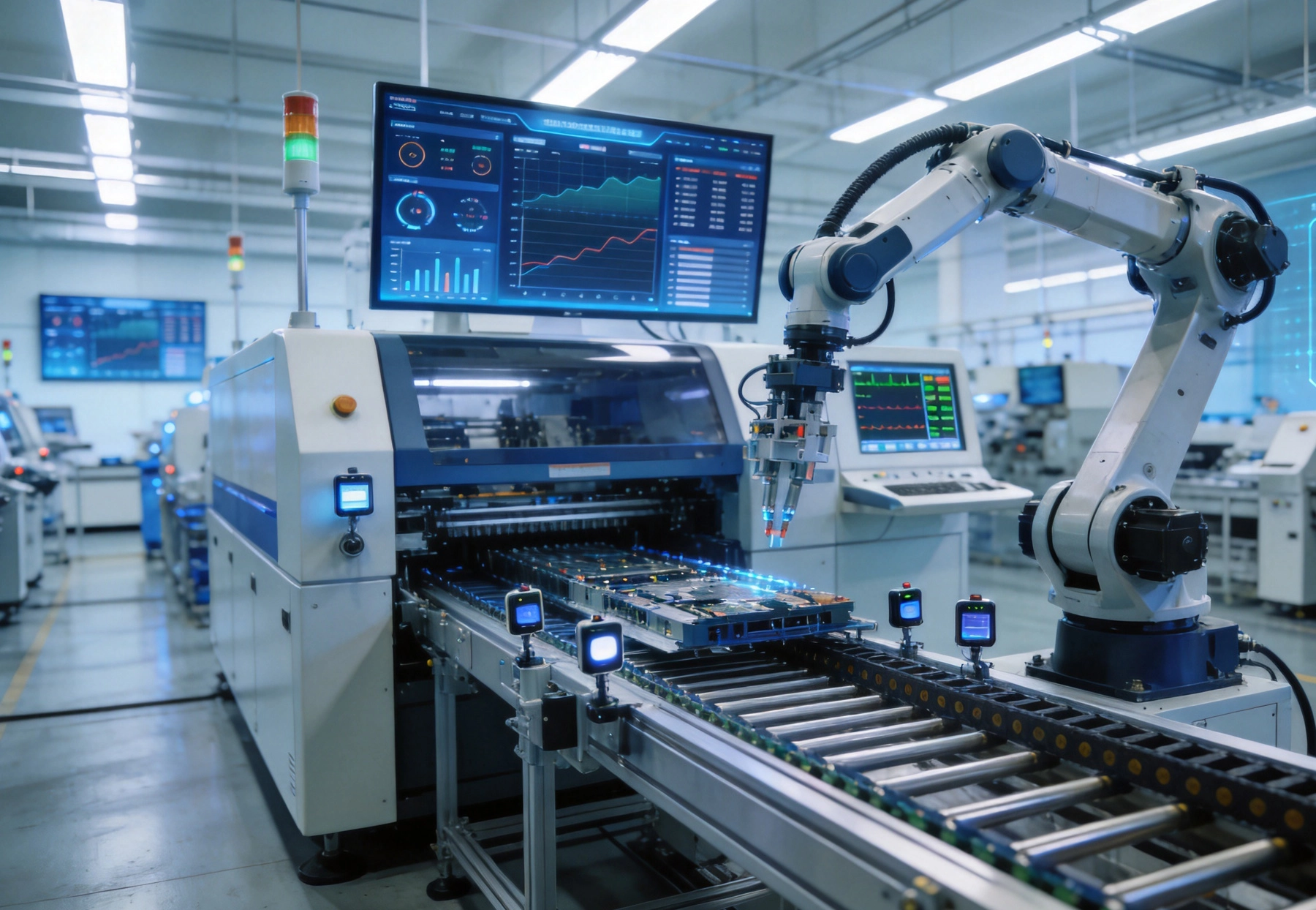
Predictive Maintenance in SMT Lines: Preventing Defects Before They Happen Surface mount technology production lines operate at remarkable speeds, placing thousands of components per hour while maintaining tolerances measured in microns. When these lines experience unplanned downtime, the financial impact extends beyond repair costs to include lost production time, misse...
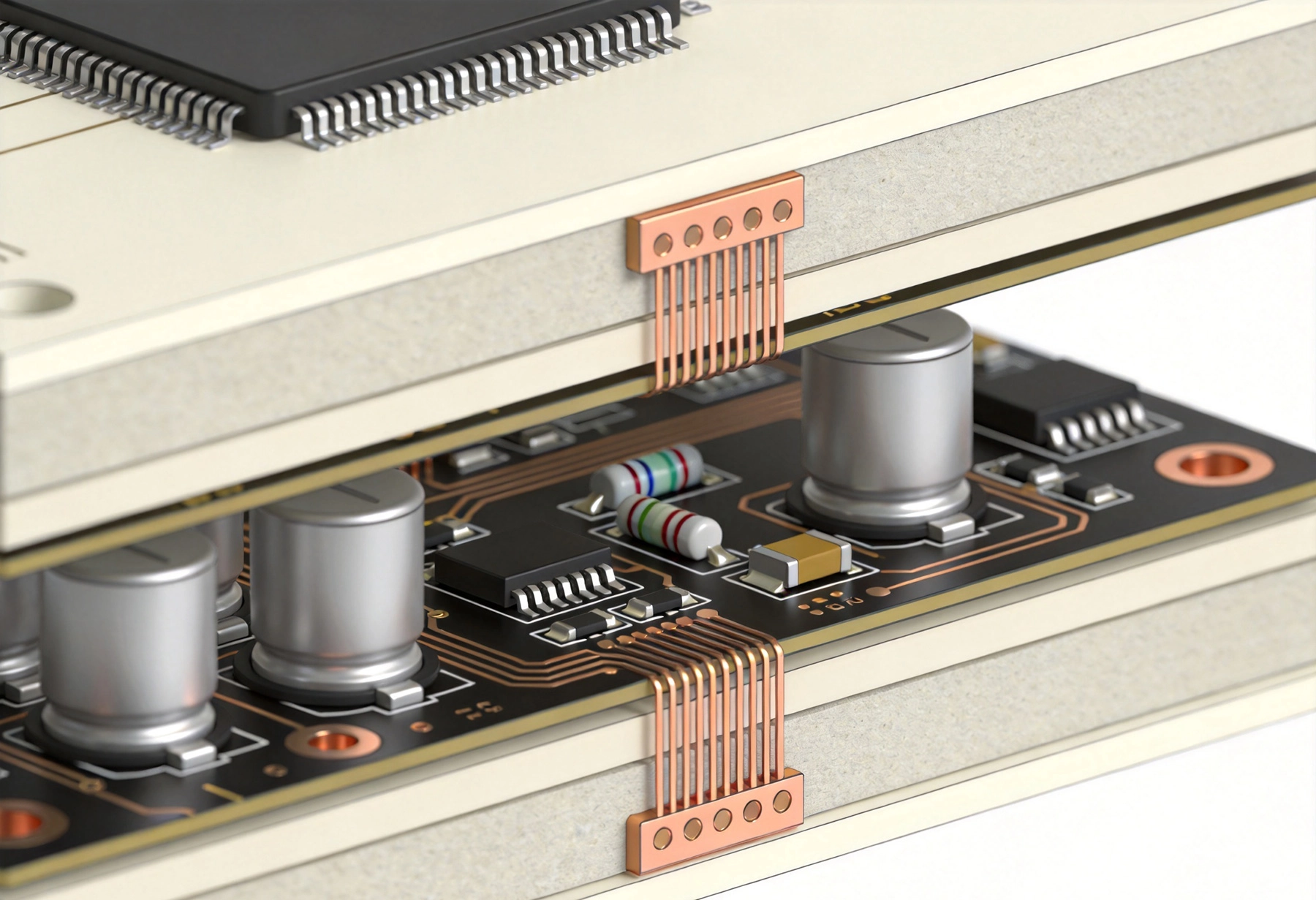
Embedded Component Technology: The Future of Ultra-Compact Boards As electronic devices continue their relentless march toward smaller form factors and higher functionality, traditional surface-mount technology faces fundamental physical limitations. The transition from 0402 to 0201 to 01005 packages has pushed pick-and-place machines and solder paste deposition...

Flexible and Rigid-Flex PCBs: Meeting the Demand for Wearables The wearable technology market has transformed from a niche curiosity into a mainstream product category. Smartwatches, fitness trackers, medical monitors, and augmented reality devices all share a common requirement: they must pack sophisticated electronics into remarkably small, often curved, en...
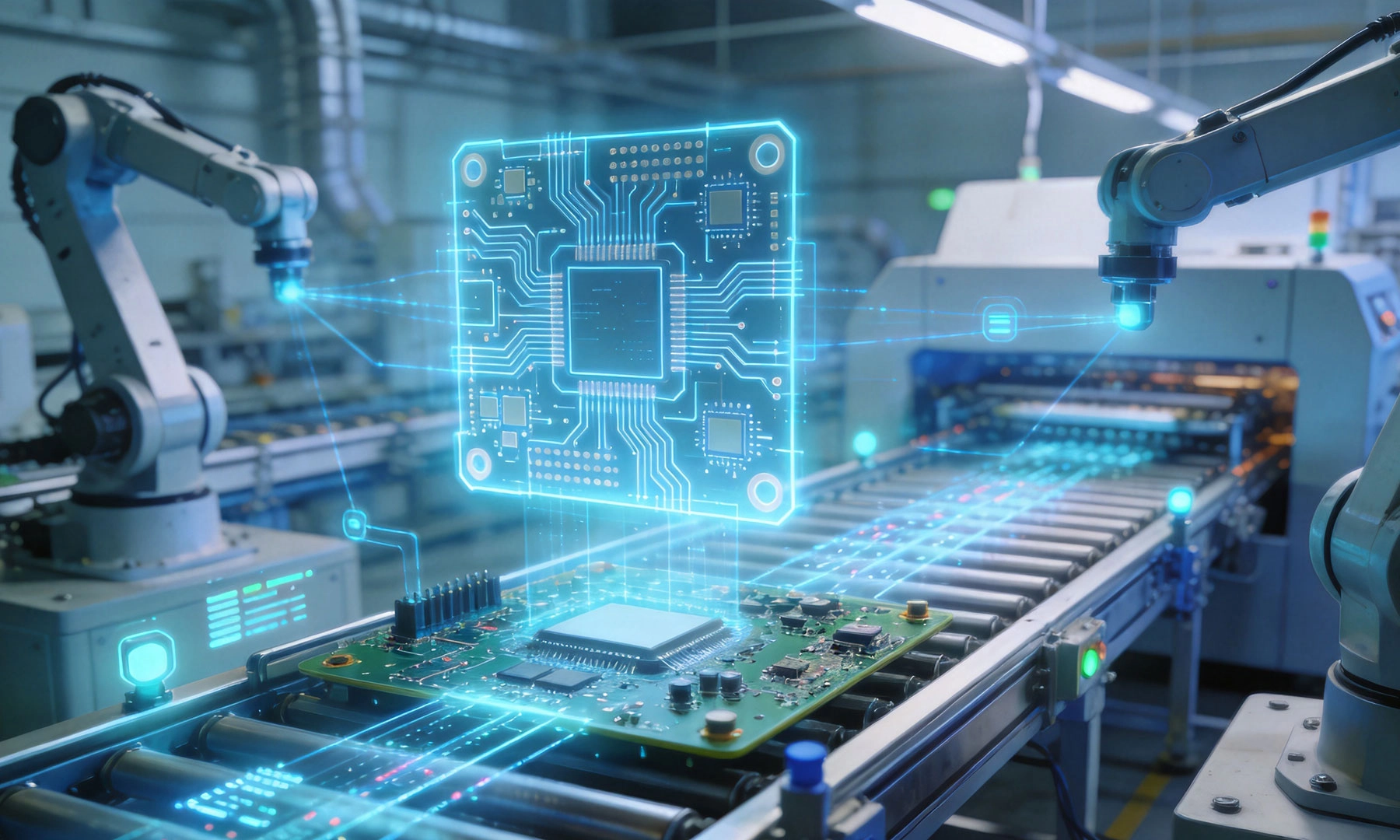
The Evolution of Digital Twins in PCB Assembly Process Control The concept of a digital twin—a virtual replica that mirrors a physical asset in real-time—has transformed from an academic idea into a practical necessity for modern electronics manufacturing. In PCB assembly facilities worldwide, digital twin technology is reshaping how engineers design processe...
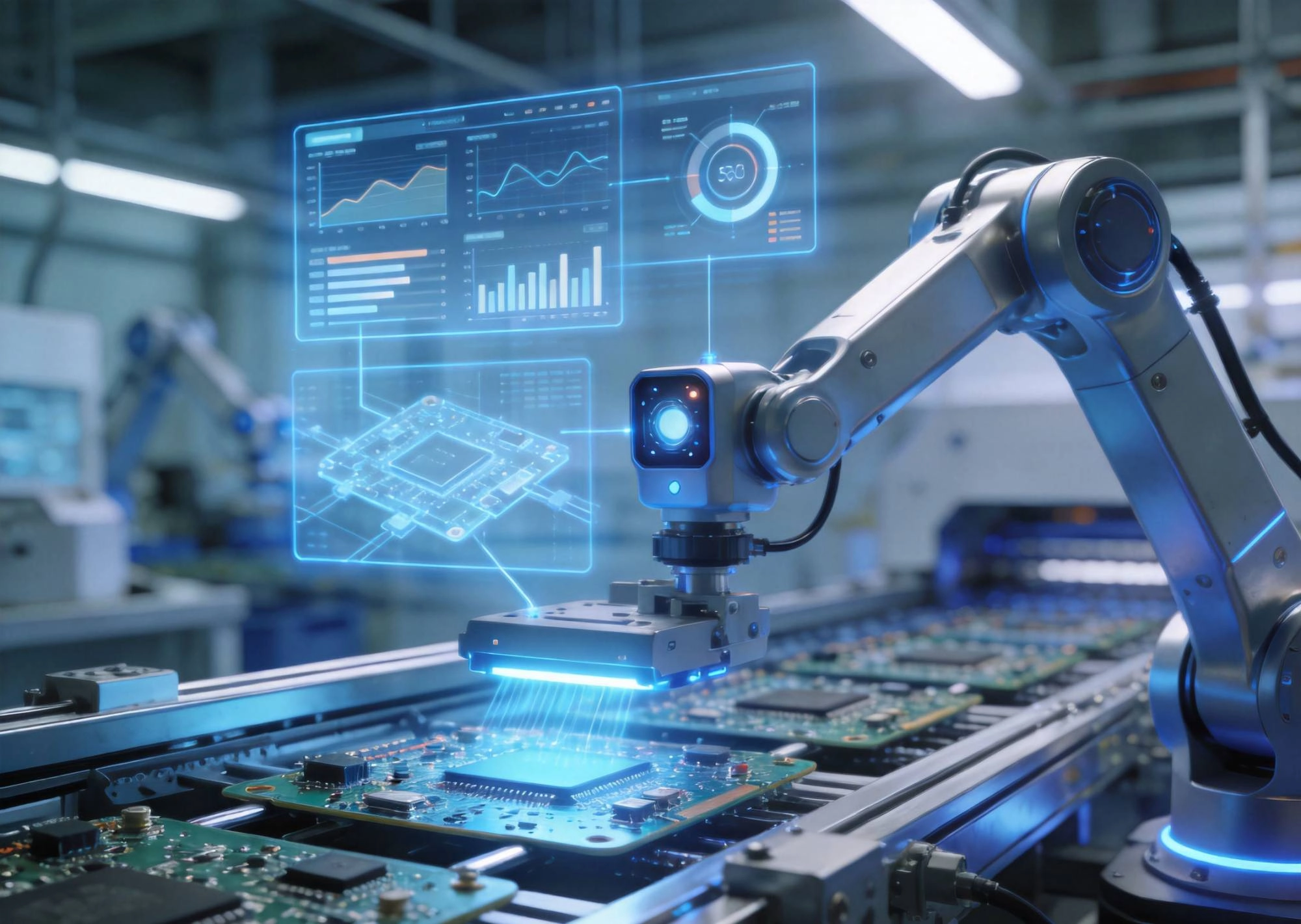
AI-Driven Manufacturing: How Smart Factories are Improving PCBA Yield Manufacturing printed circuit board assemblies used to be a game of experience and intuition. Veteran process engineers could walk the production floor, look at solder joints, listen to pick-and-place machines, and diagnose problems before they became defects. That expertise still matters—but toda...
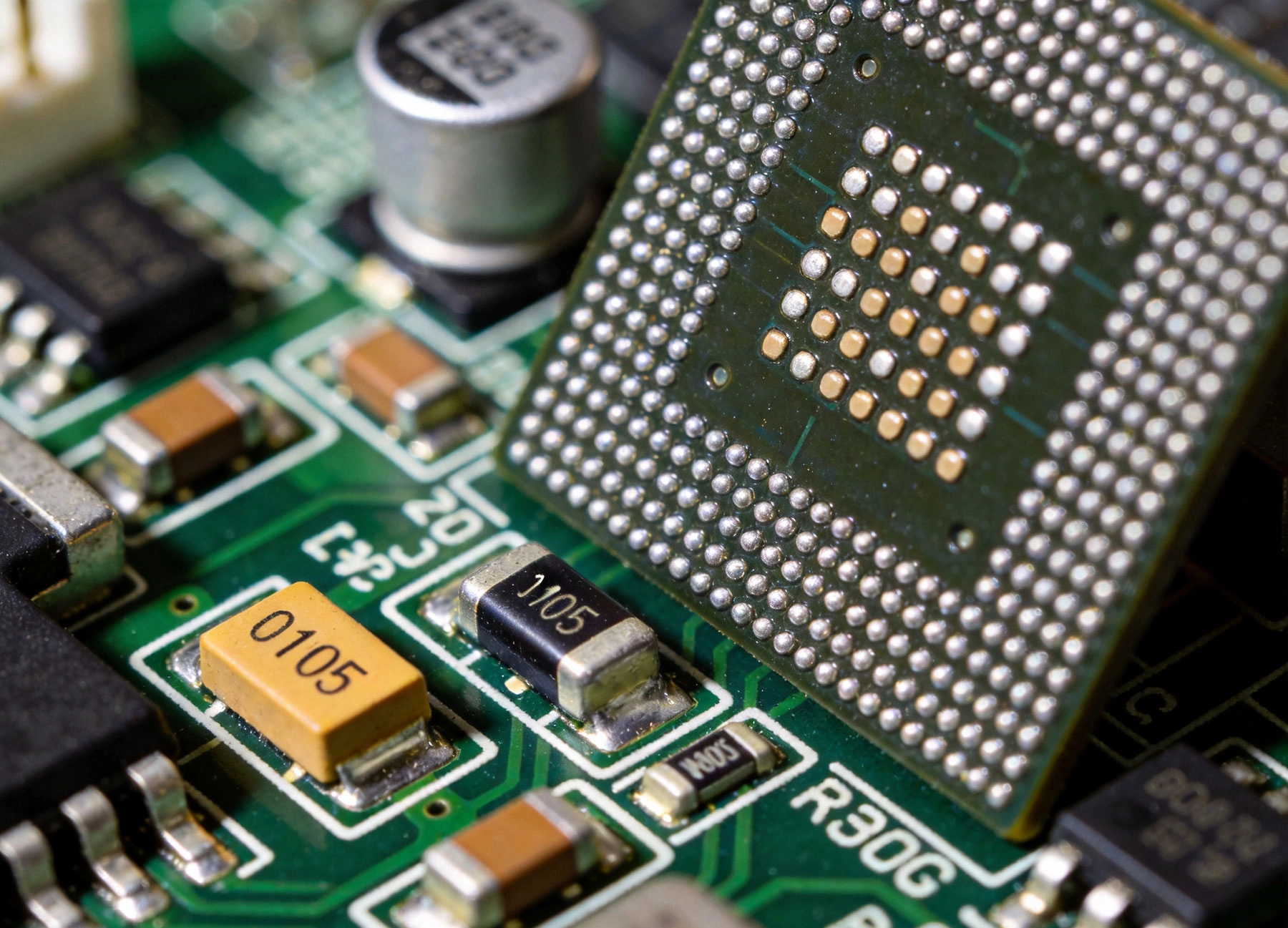
Miniaturization Mastery: Handling 01005 Components and Micro BGAs The relentless drive toward smaller, lighter, and more powerful electronic devices has pushed manufacturers to adopt increasingly miniature components. At the forefront of this miniaturization revolution are 01005 components and micro BGAs (Ball Grid Arrays), which represent some of the most chall...
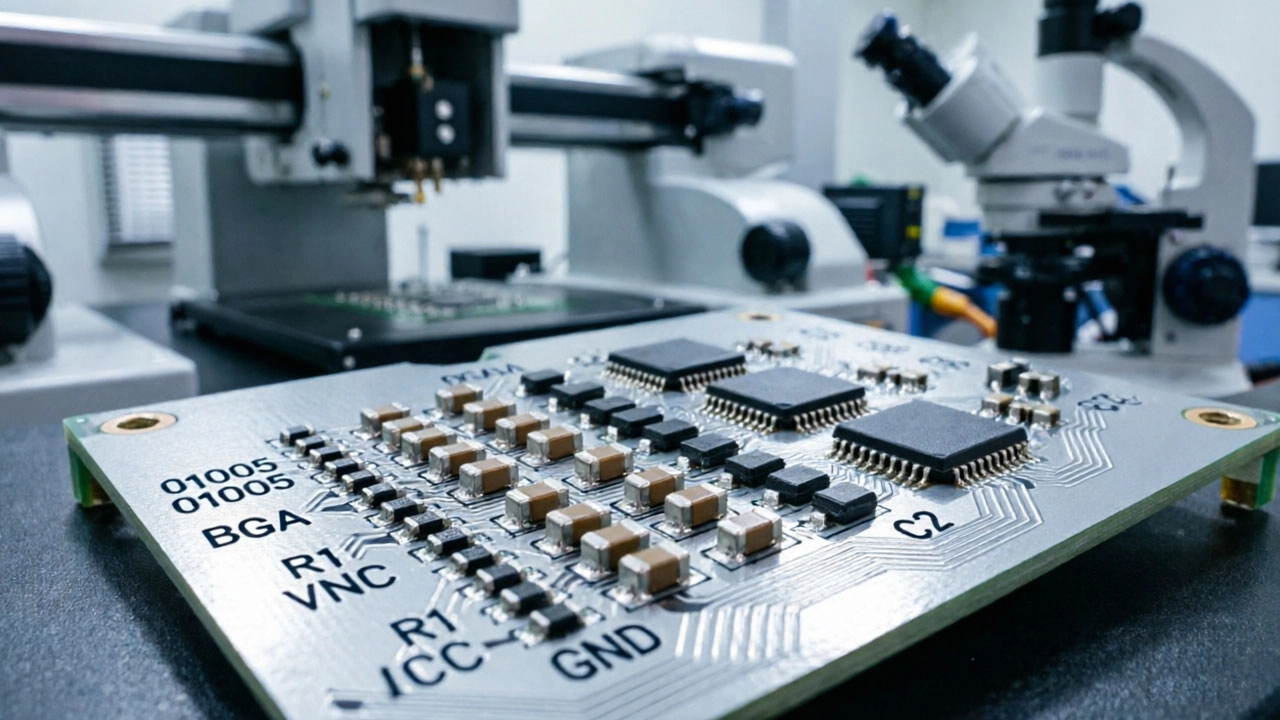
Handling 01005 Components and Micro BGAs In the relentless pursuit of sleeker smartphones, smarter wearables, and powerful AI edge devices, printed circuit boards have transformed into microscopic cities. Today, engineers are routinely packing components smaller than a grain of sand onto densely populated boards. But as we push the bound...
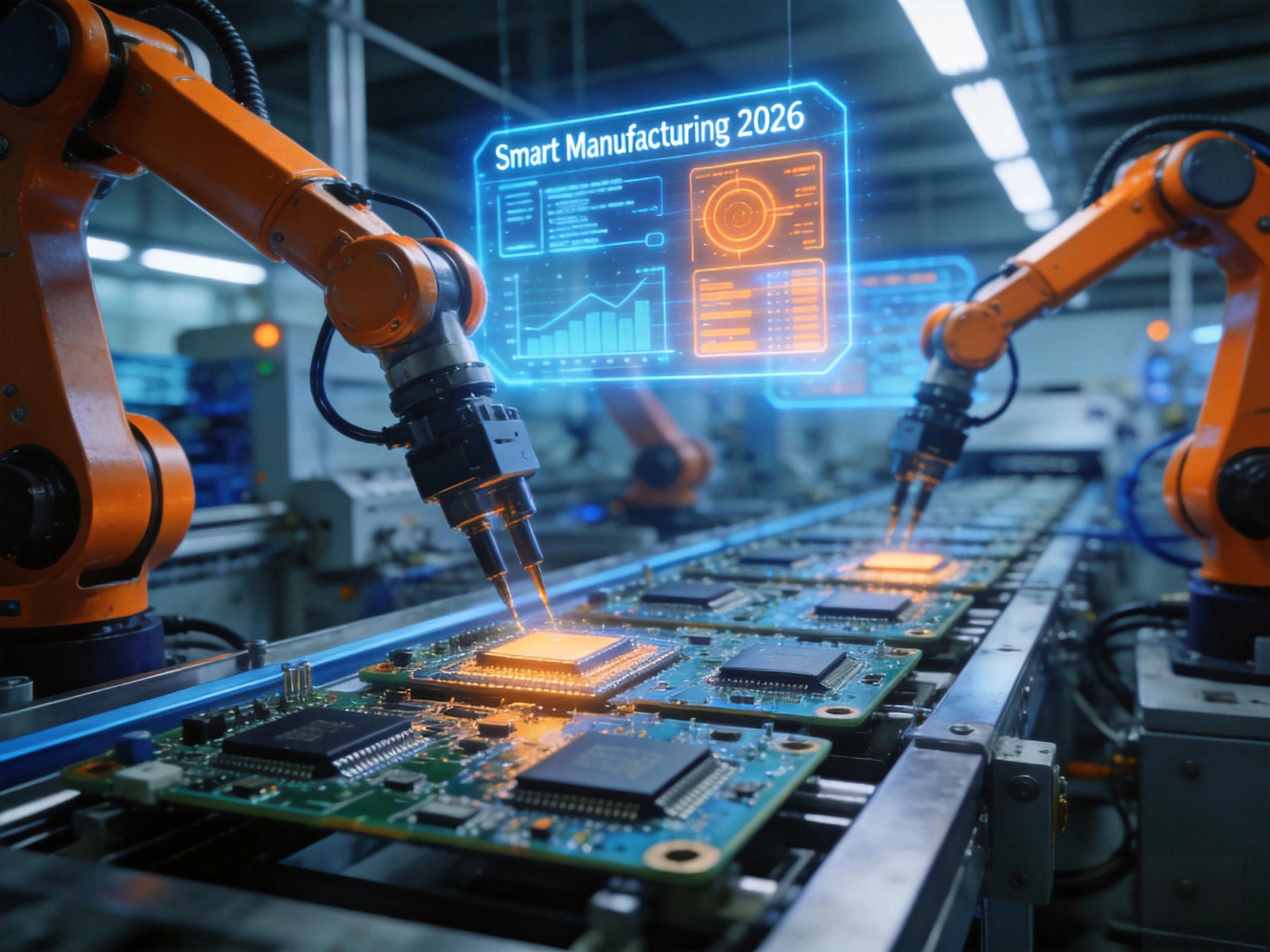
Top 5 PCB Assembly Trends Shaping the Industry in 2026 The PCB assembly industry didn't stand still waiting for the world to catch up. While supply chains were still sorting themselves out from 2020's disruptions, manufacturers were already building smarter factories, training AI models on millions of solder joint images, and fundamentally rethinking ...