Open Nav


You can't fly to Shenzhen every time you need to qualify a new pcb assembly supplier. Maybe you don't have the budget for a factory audit. Maybe the lead time doesn't allow for it. Maybe you're working with three potential vendors simultaneously and need to narrow the field before investing in travel. Whatever your situation, vetting a pcb assembly provider remotely is a skill—and it's one that hardware engineers, procurement managers, and startup founders increasingly need to master.
The good news: you can learn a lot without setting foot in a factory. The bad news: remote vetting is also how unscrupulous operators hide their limitations until you've already placed an order. This article gives you a practical framework for separating capable suppliers from problematic ones, using remote methods that fit into a real engineering workflow.

Pcb Assembly Quality is invisible until it fails. A beautifully presented quote, a polished website, and responsive email communication tell you almost nothing about whether a factory can consistently place 0402 components on fine-pitch BGAs without bridging. The gap between what's sellable and what's manufacturable is where remote vetting gets difficult.
Physical capabilities—equipment condition, process control, operator skill—are hard to assess remotely. But they're not impossible. The key is building a multi-channel verification strategy that compensates for the lack of physical access. No single data point is conclusive, but patterns across multiple sources tell a reliable story.
Before you reach out, do your homework. The public-facing information a company puts out reveals a lot about their priorities and capabilities:
Look beyond the homepage. Find their capabilities page, equipment list, certifications, and any published case studies. Vague descriptions like "advanced SMT equipment" without specifics are red flags—reputable shops list equipment brands and models. Be skeptical of sites that show stock photos of equipment rather than their actual floor.
Equipment brands matter in Pcb Assembly. Specific names signal different things:
Certifications tell you what a company has chosen to audit. ISO 9001 is the baseline—any serious operation should have it. Beyond that, look for:
Don't take certifications at face value. Request copies of certificates and verify them through the issuing organization's directory. Forged or lapsed certificates do circulate.
Use satellite imagery (Google Maps, Baidu Maps) to look at the facility. A Manufacturing operation in an industrial zone with multiple floors and dedicated loading areas is more credible than one in a small commercial building. Look for signs of active operations: consistent vehicle presence in historical imagery, adjacent supplier businesses, proximity to logistics hubs.
Your initial inquiry sets the tone for the entire relationship. A well-designed questionnaire does double duty: it gathers information and it reveals how the vendor communicates.
Structure your questions to reveal specific capabilities rather than general assurances:
Vendors who answer specifically—with model numbers, actual percentages, and documented processes—are demonstrating transparency. Vendors who respond with vague reassurances ("we have advanced equipment," "quality is our priority") are giving you non-information.
Listen to what they ask you. A vendor focused on doing good work will ask about your application, quality requirements, and failure tolerance. They're trying to understand whether they can meet your needs. A vendor focused on closing the sale will ask primarily about quantities and timelines. Neither style is inherently wrong, but the first type is more likely to flag problems before they become your problem.
No amount of questionnaire responses replaces actual board evaluation. A sample order is the single most effective remote vetting tool you have. Here's how to structure it:
Your sample board should be specifically designed to stress-test the capabilities you're evaluating. Don't just send your production design. Include:
Don't just check if the board powers on. Inspect it properly:
How the sample order goes matters as much as the board quality. Was the quoting process clear? Were lead time commitments met? Did communication feel responsive and technically knowledgeable? Did the boards arrive as specified? Was packaging appropriate? These factors predict what production will feel like.
Quality aside, you need to assess whether a vendor will be in business long enough to support your product lifecycle. This is especially important for long-lifecycle products (industrial, automotive, medical) where you might need replacement boards five years from now.
Consider geopolitical and logistical risks in your sourcing strategy. Concentration of suppliers in a single region creates exposure to trade disruptions, shipping delays, and regulatory changes. Some buyers intentionally diversify across regions; others accept the risk because the cost and capability advantages are compelling.
The way a vendor communicates during the vetting process is a surprisingly reliable predictor of how they'll communicate during production. Pay attention to:
Request and review their quality documentation. This goes beyond certificates:
A well-run shop is typically happy to share this information—at least in summary form. A shop that resists or delays providing documentation is signaling that the documentation either doesn't exist or would reveal problems.
Certain patterns should trigger immediate concern:
Here's a condensed reference for your next Pcb assembly vendor evaluation:
Remote vetting will never replace the certainty of an in-person factory audit. But with the right approach, it gets you most of the way there. The key is systematic verification across multiple channels—public information, direct communication, sample evaluation, and business health checks—rather than relying on any single source of truth.
The best time to discover a vendor's limitations is before you've committed production volume to them. Investing in a thorough vetting process pays dividends in reduced production headaches, fewer field failures, and Supply Chain stability that lets you focus on designing your next product.
At minimum, look for ISO 9001 (quality management). For regulated industries, Iso 13485 (medical), AS9100 (aerospace), or Iatf 16949 (automotive) indicate more rigorous quality systems. IPC certifications for operators (Ipc-a-610) and process engineers (J-STD-001) show commitment to industry standards. Always verify certificates independently rather than accepting copies at face value.
Order enough boards to run a meaningful evaluation without excessive cost—typically 5 to 20 boards depending on complexity. If your production boards are simple, fewer samples suffice. For complex boards with BGAs, fine-pitch parts, and thermal challenges, order enough to evaluate statistical variation across multiple assemblies.
Expect initial quotes within 1 to 3 business days for standard assemblies. Complex turnkey assemblies (with Component Sourcing) may take 5 to 7 days. If a vendor takes significantly longer, either their process is inefficient or they're having difficulty sourcing components—either way, it's data worth noting.
For detailed vetting, you need to share Gerber Files and a Bill Of Materials at minimum. If you're concerned about intellectual property, use NDA agreements (most serious vendors expect and accept these), share files incrementally, and consider redacting proprietary functionality in test boards. The value of evaluating actual Manufacturing capability usually outweighs the IP risk when proper protections are in place.
Ask about their supplier relationships, component verification procedures, and how they handle obsolescence. Request their component failure rate and how they manage counterfeits. For critical applications, consider Consignment Assembly where you supply components from verified sources—this adds logistics complexity but removes the counterfeit risk entirely.
Contact us to discuss your requirements.
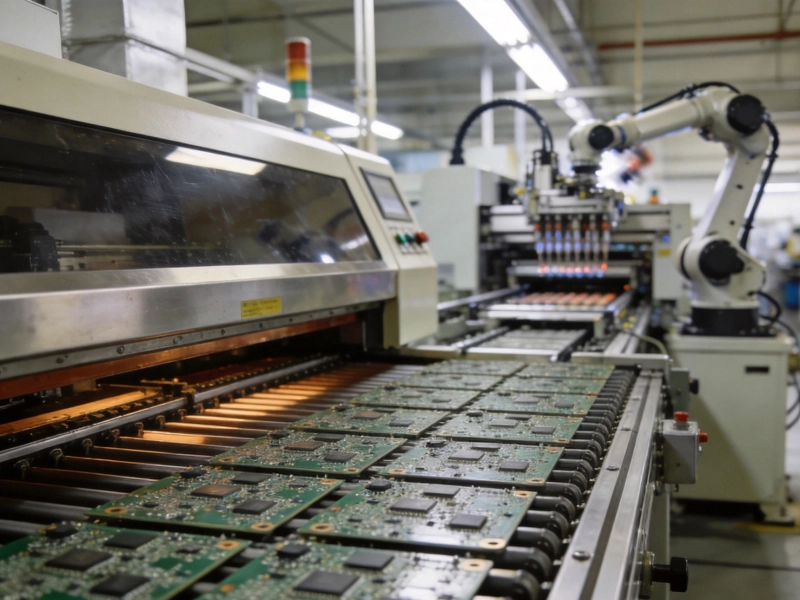
Frequently Asked Questions About Our PCB Assembly ProcessJuly/25/2026

Designing for Testability (DFT): Placing Test Points for ICT and FCTJuly/31/2026
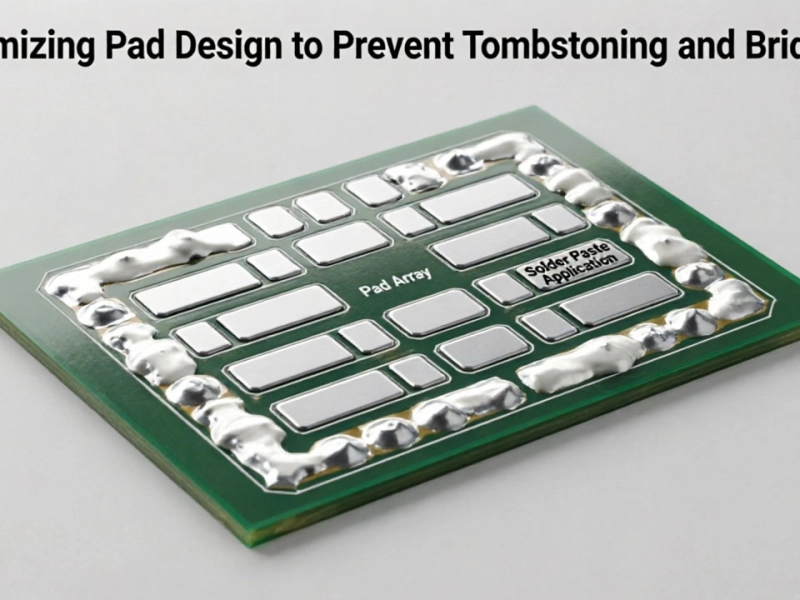
Optimizing Pad Design to Prevent Tombstoning and BridgingJune/05/2026

The State of Global PCBA Manufacturing in 2026 and Key TakeawaysMay/22/2026
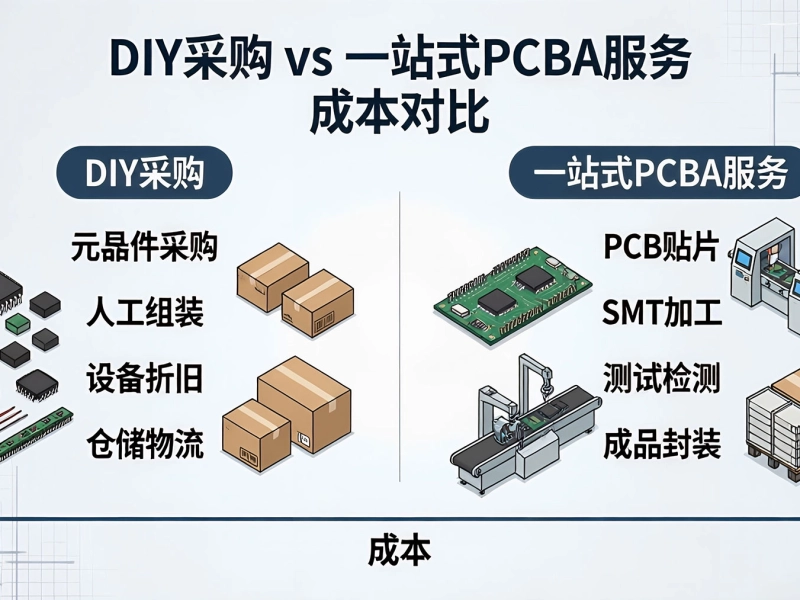
The Hidden Costs of DIY Sourcing vs. Turnkey PCBA ServicesJune/08/2026
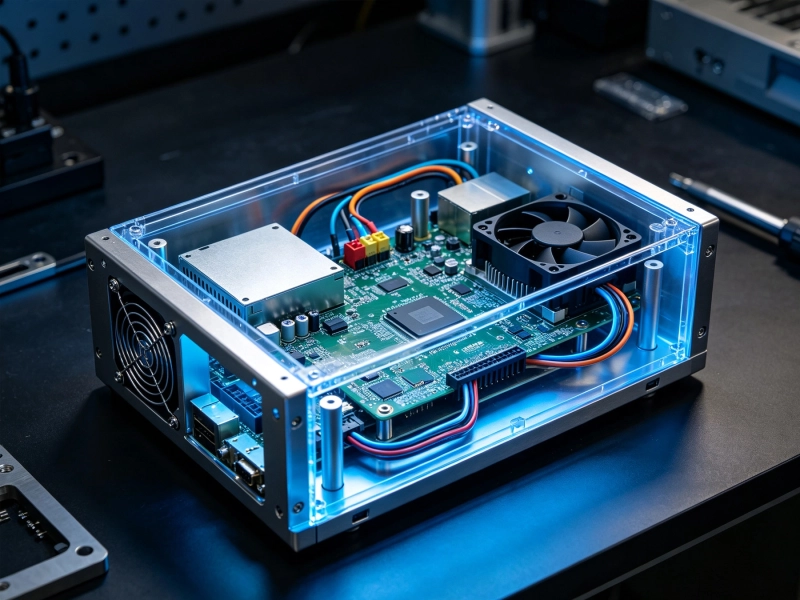
Custom Box Build Assembly: Integrating Mechanics and Electronics SeamlesslySeptember/03/2026
A Simple Explanation of Wave Soldering for Mixed-Technology BoardsJuly/22/2026

Understanding the Basics of SMT PCB Assembly China: A 2026 GuideOctober/13/2026