

The evolution of modern electronic products demands sophisticated integration between mechanical structures and electronic assemblies. Custom box build assembly represents the Manufacturing discipline that transforms bare PCBs into complete, functional products by incorporating enclosures, mechanical components, Thermal Management systems, and user interfaces. This integration process requires careful coordination between mechanical engineering, electrical design, Manufacturing processes, and Quality Assurance. As products become more complex and customer expectations for aesthetics and functionality rise, the ability to seamlessly integrate mechanics and electronics becomes a critical competitive advantage. Manufacturers who excel in custom box build assembly deliver products that not only function reliably but also meet demanding aesthetic standards, withstand environmental challenges, and provide intuitive user experiences. Understanding the principles and processes behind custom box build assembly enables companies to optimize product development cycles, reduce Time-to-market, and achieve superior product outcomes.
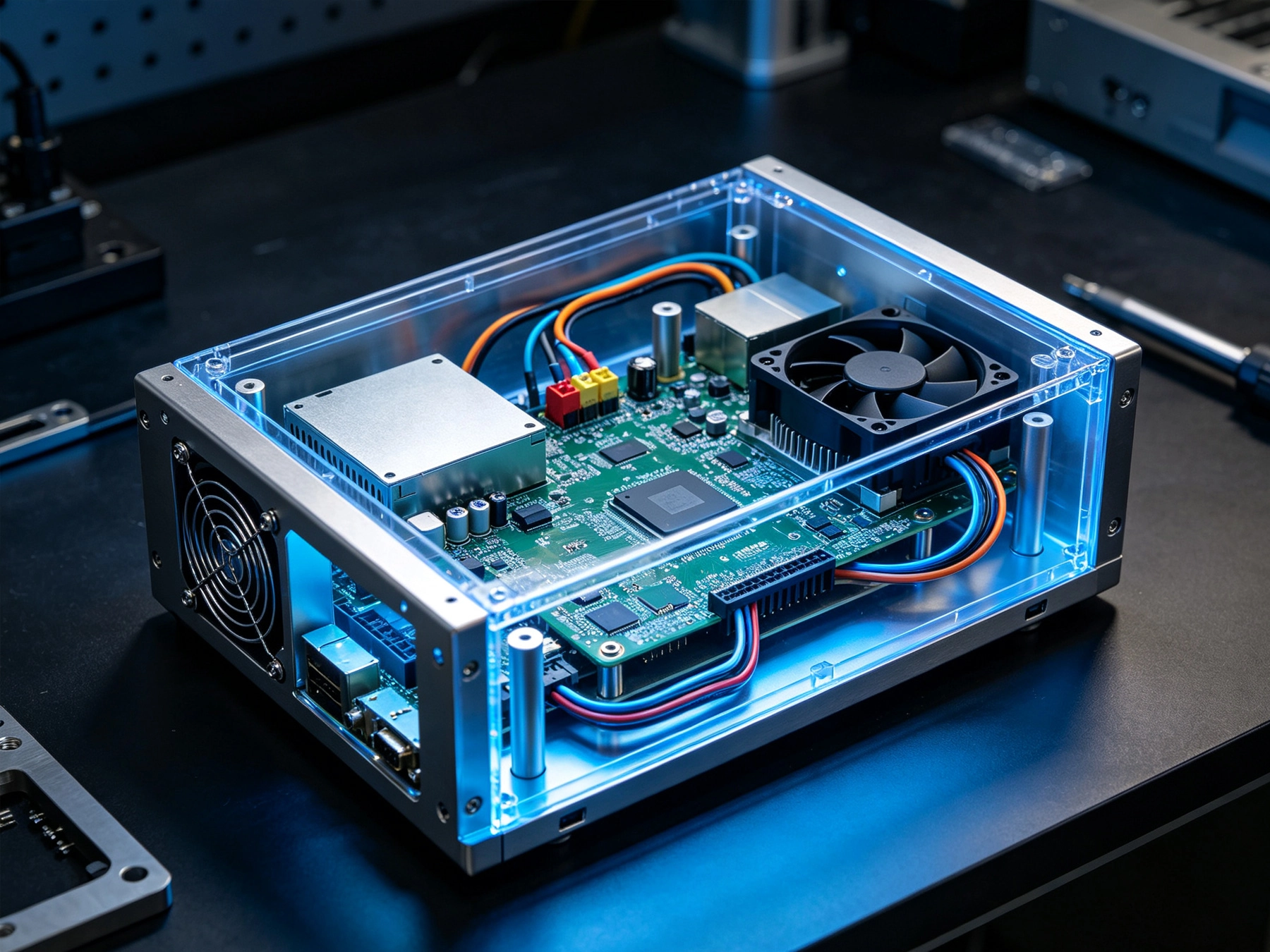
Box build assembly has evolved significantly from simple enclosure installation to sophisticated integration processes that encompass multiple engineering disciplines. Early Electronics Manufacturing focused primarily on PCB Fabrication and component assembly, with mechanical elements added as secondary considerations. As consumer electronics demanded increasingly sophisticated form factors and industrial applications required Environmental Protection, box build assembly emerged as a distinct manufacturing specialization. The proliferation of IoT devices, wearables, smart appliances, and connected industrial equipment has accelerated demand for integrated electromechanical solutions. Modern box build assembly encompasses mechanical design and fabrication, Thermal Management integration, electromagnetic shielding implementation, user interface assembly, testing and validation, and regulatory compliance documentation. This evolution reflects the broader trend toward product complexity where electronic functionality, mechanical design, and user experience must be harmonized from the earliest design stages. Companies that recognize box build assembly as a core competency rather than a post-assembly process achieve better outcomes through integrated design approaches and coordinated manufacturing processes.
Successful custom box build assembly begins with integrated design that considers mechanical and electrical requirements simultaneously from the project's inception. Mechanical design must accommodate Pcb mounting, connector access, thermal management requirements, and assembly processes while achieving aesthetic and functional objectives. Electrical design must consider mechanical constraints including available space, mounting hardware placement, thermal interface requirements, and user interface integration. Coordinated design reviews between mechanical and electrical engineering teams identify potential integration issues before they become manufacturing problems. Design for manufacturability (DFM) principles applied to both mechanical and electrical elements ensure assembly feasibility and cost-effectiveness. Component placement on PCBs must align with mechanical features including connector openings, display windows, button locations, and mounting points. Thermal design considerations include heat sink integration, ventilation requirements, and thermal interface materials that bridge electronic and mechanical systems. Electromagnetic compatibility (EMC) requirements often drive design decisions regarding shielding materials, grounding schemes, and physical layout. User interface design must balance functional requirements with manufacturing feasibility, considering assembly processes, component tolerances, and operational reliability. These integrated design considerations create products where mechanical and electronic elements complement rather than conflict with each other.
Enclosures represent the primary interface between mechanical and electronic systems in box build assemblies. Material selection balances electrical requirements including EMI shielding and conductivity, environmental requirements including water and dust resistance, aesthetic requirements including finish quality and durability, and cost requirements including material cost and processing complexity. Common enclosure materials include aluminum alloys for excellent conductivity and heat dissipation, stainless steel for corrosion resistance and durability, engineered plastics for weight reduction and design flexibility, and hybrid combinations that leverage multiple material benefits. Fabrication methods including CNC machining, sheet metal fabrication, injection molding, and additive manufacturing each offer different capabilities in terms of complexity, precision, and cost. Enclosure design must accommodate access requirements for assembly, testing, maintenance, and field service while maintaining Environmental Protection when assembled. Ventilation and thermal management features including heat sinks, thermal pads, airflow channels, and forced cooling systems require careful integration with Electronic Components. Mounting features for PCBs, displays, buttons, connectors, and other components must maintain precise alignment while accommodating manufacturing tolerances. Surface finishes including anodizing, plating, powder coating, and painting provide protection, aesthetics, and functional properties to complete enclosure systems.
Thermal management represents one of the most critical aspects of integrating mechanics and electronics in box build assemblies. Electronic Components generate heat that must be effectively dissipated to maintain reliable operation and extend product lifespan. Mechanical systems including enclosures, heat sinks, thermal interface materials, and cooling mechanisms create pathways for heat removal from electronic components to the ambient environment. Heat sink selection and design consider thermal resistance, airflow characteristics, mechanical mounting requirements, and space constraints. Thermal interface materials including thermal paste, thermal pads, and phase change materials fill microscopic gaps between heat-generating components and heat dissipation surfaces, optimizing thermal transfer. Active cooling systems including fans, Liquid Cooling, and thermoelectric coolers provide enhanced thermal management for high-power applications but introduce complexity including power requirements, noise generation, and reliability concerns. Computational fluid dynamics (CFD) analysis predicts thermal performance and identifies potential hot spots before physical prototyping. Thermal testing using infrared thermography, thermocouple measurements, and thermal imaging validates design assumptions and identifies areas requiring improvement. Proper thermal integration ensures electronic components operate within specified temperature ranges while maintaining product aesthetics, noise requirements, and reliability targets.
Electromagnetic interference (EMI) and electromagnetic compatibility (EMC) requirements drive significant design and manufacturing considerations in box build assemblies. Electronic systems must be protected from external EMI sources while preventing internal emissions from interfering with other systems. Shielding strategies include conductive enclosures that provide Faraday cage protection, shielding gaskets that maintain electrical continuity at enclosure seams, filtered connectors that prevent EMI ingress and egress, and board-level shielding that protects sensitive circuits. Grounding systems establish reference potentials and provide return paths for interference currents, requiring careful design to avoid ground loops and ensure proper impedance characteristics. Shielding effectiveness testing measures how well enclosures prevent electromagnetic field penetration, typically expressed in decibels of attenuation. Compliance with regulatory requirements including FCC Part 15, CE marking, and MIL-STD-461 necessitates comprehensive EMI/EMC testing and documentation. Design trade-offs exist between shielding effectiveness, cost, weight, aesthetics, and manufacturability. Proper EMI/EMC integration ensures products operate reliably in electromagnetic environments without interfering with other systems or being affected by external interference.
User interfaces represent the human-machine interaction point where mechanical and electronic systems converge. Displays, buttons, switches, indicators, and touch interfaces must be precisely integrated with electronic circuits while providing satisfying user experiences. Display integration requires consideration of optical characteristics, viewing angles, touch sensitivity (if touch-enabled), and protection from environmental factors. Button and switch integration considers actuation force, tactile feedback, mounting hardware, and operational reliability. LED indicators require optical design considerations including diffusion, color accuracy, visibility under various lighting conditions, and power consumption. Touch interfaces require consideration of sensitivity, response time, multi-touch capability, and integration with protective bezels or covers. Human factors engineering considers ergonomics, accessibility, usability, and safety in interface design. Assembly processes for user interface components must maintain precision alignment while accommodating manufacturing tolerances and operational durability. Testing validates interface functionality including sensitivity, responsiveness, reliability, and environmental performance. Well-designed user interfaces integrate seamlessly with electronic systems while delivering intuitive, satisfying user experiences.
Box build assembly requires carefully orchestrated manufacturing processes that integrate multiple components and subassemblies into final products. Assembly sequence planning determines optimal order of operations considering access requirements, mechanical dependencies, and quality checkpoints. Subassembly preparation including Pcb testing, component programming, and preliminary functional testing ensures electronic systems are ready for integration. Mechanical component preparation including machining, surface finishing, and pre-assembly reduces assembly time and improves quality. Progressive assembly builds products incrementally, with quality verification at each stage to catch issues early rather than after final assembly. Adhesive selection and application create permanent bonds between components while accommodating thermal expansion, environmental exposure, and operational stresses. Fastener selection and torque specifications ensure mechanical integrity while allowing for disassembly when maintenance is required. Testing and inspection throughout assembly processes catches issues before they compound into more serious problems. Documentation including assembly instructions, quality checklists, and test records provides traceability and enables process improvement. Well-orchestrated assembly processes maximize quality, efficiency, and consistency while minimizing waste and rework.
Comprehensive testing and Quality Assurance ensure that integrated electromechanical products meet performance, reliability, and regulatory requirements. Functional testing validates that all electronic systems operate according to specifications including electrical performance, communication protocols, and user interface functionality. Mechanical testing validates structural integrity, durability, and environmental protection including vibration testing, shock testing, and environmental exposure testing. Thermal testing validates thermal management system performance under various operating conditions and environmental scenarios. Electromagnetic testing validates EMI/EMC compliance and shielding effectiveness according to applicable regulatory standards. Reliability Testing predicts product lifespan and identifies potential failure modes through accelerated life testing, environmental stress screening, and failure analysis. Cosmetic inspection verifies that aesthetic requirements are met including surface finish quality, alignment, and absence of defects. Calibration ensures that sensors, displays, and measurement systems maintain accuracy over time and environmental conditions. Documentation including test reports, calibration certificates, and compliance records provides evidence of quality and regulatory compliance. Comprehensive testing programs ensure that integrated products deliver reliable performance throughout their operational lifespan.
Box build assemblies must navigate a complex landscape of regulatory requirements and certification programs depending on application and market. Electrical safety standards including IEC 60950, UL 60950, and UL 62368 ensure protection against electrical hazards including electric shock, fire, and mechanical injury. Environmental regulations including RoHS, REACH, and WEEE restrict hazardous substances and establish end-of-life requirements. Electromagnetic compatibility standards including FCC Part 15, CE marking, and CISPR requirements ensure products don't interfere with other systems or operate reliably in electromagnetic environments. Application-specific regulations include medical device requirements (FDA, Iso 13485), automotive standards (AEC-Q, Iatf 16949), aerospace requirements (AS9100, MIL-STD), and industrial certifications (ATEX, IECEx). Certification processes involve testing by accredited laboratories, documentation submission, and ongoing compliance monitoring. Compliance documentation including technical files, risk assessments, and declaration of conformity must be maintained and available for regulatory review. Proper regulatory compliance enables market access, protects against liability, and ensures product safety and reliability throughout the operational lifecycle.
Box build assembly costs can be optimized through strategic design and manufacturing approaches without compromising quality or functionality. Design simplification reduces part count, eliminates unnecessary features, and integrates multiple functions into single components. Material selection balances performance requirements against cost considerations, often finding optimal solutions through value analysis and trade-off studies. Manufacturing process optimization reduces assembly time, minimizes waste, and improves quality through standardized processes, automation where appropriate, and continuous improvement. Supplier consolidation across mechanical, electrical, and specialty components leverages volume discounts and reduces Supply Chain complexity. Testing optimization focuses testing resources on critical parameters while eliminating redundant verification activities that don't add value. Value engineering identifies cost reduction opportunities that don't compromise essential product characteristics. Early supplier involvement enables Cost Optimization while maintaining design intent and quality requirements. Life cycle cost analysis considers not just manufacturing costs but also operational costs, maintenance requirements, and end-of-life disposal costs. These optimization strategies enable manufacturers to deliver high-quality integrated electromechanical products while maintaining competitive pricing and profitability.
Custom box build assembly represents a critical manufacturing discipline that transforms electronic assemblies into complete, functional products through seamless integration with mechanical systems. Success requires coordinated attention to design considerations, manufacturing processes, quality assurance, and regulatory compliance throughout the product development lifecycle. As products become increasingly sophisticated and customer expectations rise, the ability to effectively integrate mechanics and electronics becomes a core competitive capability rather than a secondary manufacturing function. Manufacturers who invest in box build assembly capabilities including integrated design processes, specialized manufacturing expertise, comprehensive testing infrastructure, and regulatory knowledge create significant competitive advantages through faster Time-to-market, superior product quality, and enhanced customer satisfaction. The evolution toward increasingly integrated products makes box build assembly expertise increasingly valuable across consumer electronics, industrial equipment, medical devices, automotive systems, and emerging IoT applications. Companies that recognize and develop this expertise position themselves for success in markets where integrated electromechanical excellence differentiates products and drives customer preference.
What is custom box build assembly?
Custom box build assembly is the manufacturing process that integrates electronic PCB assemblies with mechanical components including enclosures, user interfaces, thermal management systems, and electromechanical subassemblies into complete, functional products. This process bridges the gap between electronic circuit manufacturing and finished product assembly, requiring expertise in mechanical design, electrical integration, assembly processes, and quality assurance. Custom box build services transform bare PCBs into products ready for deployment in their intended applications.
What are the key challenges in integrating mechanics and electronics?
Key challenges include thermal management (dissipating heat from electronics through mechanical systems), electromagnetic compatibility (shielding electronics while maintaining mechanical functionality), dimensional tolerances (aligning mechanical features with electronic components), environmental protection (maintaining IP ratings while enabling access and ventilation), and user experience (creating intuitive interfaces that integrate with electronic systems). Success requires integrated design approaches that consider both mechanical and electrical requirements simultaneously from the project's inception.
How do you manage thermal requirements in box build assemblies?
Thermal management in box build assemblies involves designing heat conduction paths from electronic components to heat dissipation surfaces (enclosures, heat sinks), selecting appropriate thermal interface materials to fill microscopic gaps and optimize heat transfer, implementing cooling systems (passive ventilation, fans, Liquid Cooling) as needed, and validating thermal performance through computational analysis and physical testing. The goal is to maintain electronic components within specified operating temperature ranges while meeting other product requirements including size, noise, aesthetics, and cost.
What testing is required for box build assemblies?
Box build assemblies require comprehensive testing including functional testing (electrical performance, communication protocols, user interface), mechanical testing (structural integrity, durability, environmental protection), thermal testing (temperature management under various conditions), electromagnetic testing (EMI/EMC compliance), Reliability Testing (accelerated life testing, environmental stress screening), cosmetic inspection (surface finish, alignment), and calibration (sensor accuracy, display performance). Testing validates that integrated products meet all performance, reliability, and regulatory requirements.
How do you optimize costs for box build assembly?
Cost Optimization strategies include design simplification (reducing part count, eliminating unnecessary features), material selection optimization (balancing performance against cost), manufacturing process improvement (reducing assembly time, minimizing waste), supplier consolidation (leveraging volume discounts), testing optimization (focusing on critical parameters), value engineering (identifying cost reduction opportunities), early supplier involvement (optimizing costs while maintaining quality), and life cycle cost analysis (considering Total Cost Of Ownership). These approaches reduce manufacturing costs without compromising product quality or functionality.

Simplifying NPI (New Product Introduction) with Turnkey ManufacturingSeptember/01/2026
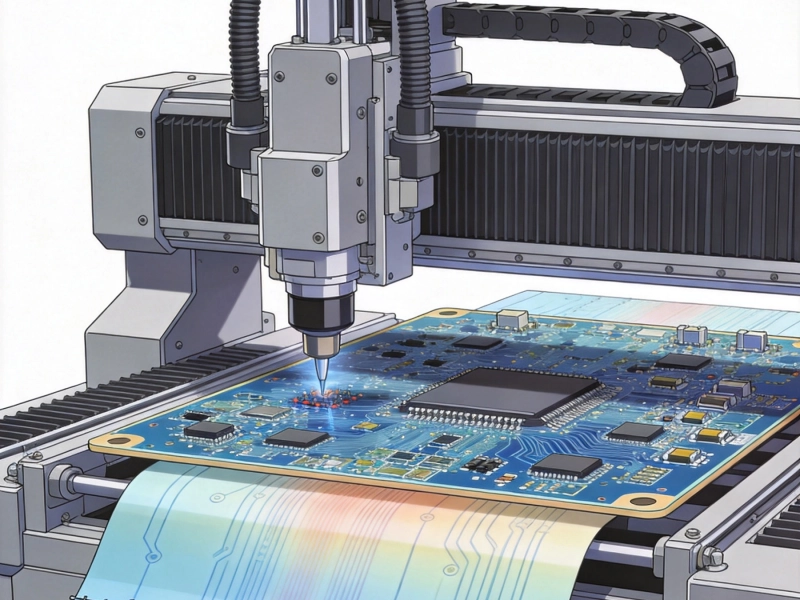
Solving Assembly Stress Issues in Large and Thin PCBsSeptember/09/2026
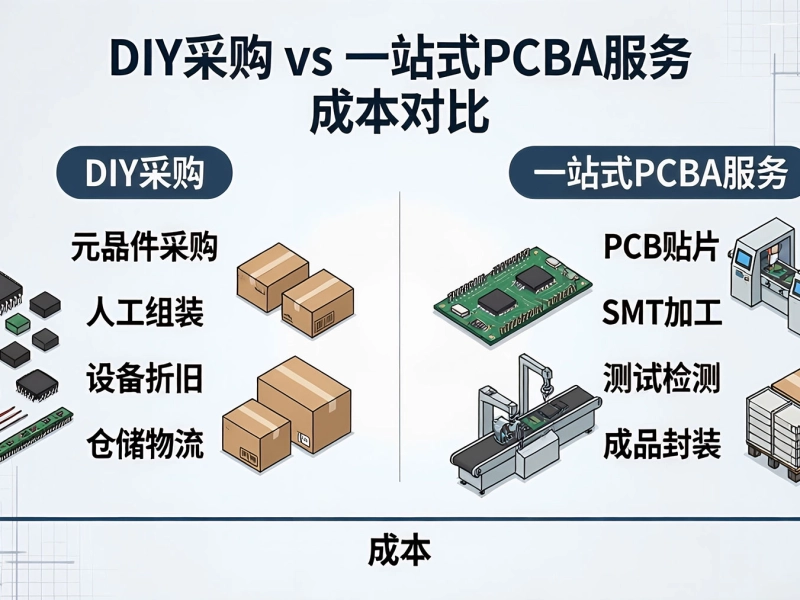
The Hidden Costs of DIY Sourcing vs. Turnkey PCBA ServicesJune/08/2026
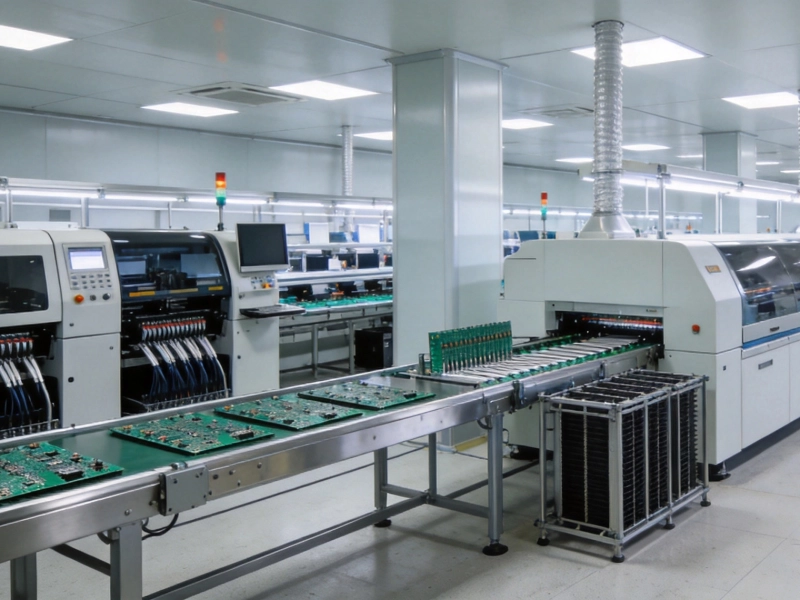
Why Turnkey PCB Assembly Services Are Gaining PopularityOctober/09/2026
Risk Mitigation: How Turnkey Services Handle Obsolete ComponentsJuly/16/2026
Understanding the Basics of SMT PCB Assembly China: A 2026 GuideOctober/13/2026
Scaling from 10 Prototypes to 10,000 Units: A Turnkey PCBA Success StoryJuly/24/2026
Solutions for Assembling Heavy Copper PCBs in Industrial ApplicationsJune/27/2026