Open Nav


Whether you are ordering your first prototype or ramping up for volume production, questions about how our pcb assembly process works are natural. This FAQ addresses the most common inquiries we receive from engineers, procurement specialists, and product teams about working with us for assembly services. If your specific question is not covered here, our engineering team is always ready to help.
We accept Gerber Files (RS-274X or Gerber X2) for PCB Fabrication data and the following formats for assembly information: ASCII pick-and-place files, IPC-2581 data packages, and IBOM (interactive Bill Of Materials) spreadsheets. If your CAD tool exports in a different format, contact our engineering team—we can often accommodate various formats with some preprocessing.
For the Bill Of Materials, we prefer Excel (.xlsx) or CSV files that include the following columns at minimum: reference designator, part number or manufacturer part number, quantity, and any special sourcing notes. If you are providing alternates or second sources, list them in a separate column with clear labeling.
We support order quantities starting from a single board through high-volume production runs. Our pricing structure is designed to be competitive across the full range, with volume discounts applied at standard quantity breakpoints. For prototype and pilot runs, we recommend quantities between 5 and 25 units, which typically offer the best balance between unit cost and total investment for iterative testing phases.
There is no strict minimum dollar value threshold for orders, though very small orders may incur nominal setup fees that are clearly disclosed in your quote before you commit to anything.
Lead times depend on order complexity, component availability, and current production queue. Our standard turn-around times are:
These timelines begin when we have approved design files, confirmed the bill of materials, and resolved any DFM questions. Expedited service is available for time-critical projects, though rush fees apply.
We offer both turnkey and Consignment Assembly options. In Turnkey Assembly, we handle full Component Procurement from our global distributor network, leveraging established relationships to secure competitive pricing and reliable supply. In Consignment Assembly, you supply all components directly to our facility, and we handle the assembly process only.
Turnkey assembly is the most convenient option for most customers because it shifts Supply Chain complexity to our team and typically results in faster lead times for standard components. Consignment works well when you have specific component requirements, existing supplier relationships, or excess inventory you want to consume. We can also accommodate hybrid approaches where we source some components and you supply others.
Our facility operates under an ISO 9001-certified Quality Management system, and we adhere to Ipc-a-610 acceptability standards for electronic assemblies. All operators are trained and certified to relevant Ipc Standards, and our quality inspectors perform both in-process checks and final inspection against defined Acceptance Criteria.
For specific industry requirements, we maintain certifications and process controls appropriate for the target application. We routinely support automotive (Iatf 16949), medical (Iso 13485), and industrial (IPC-6012) programs. Let us know your target application and quality requirements when requesting a quote so we can confirm our capabilities and provide appropriate documentation.
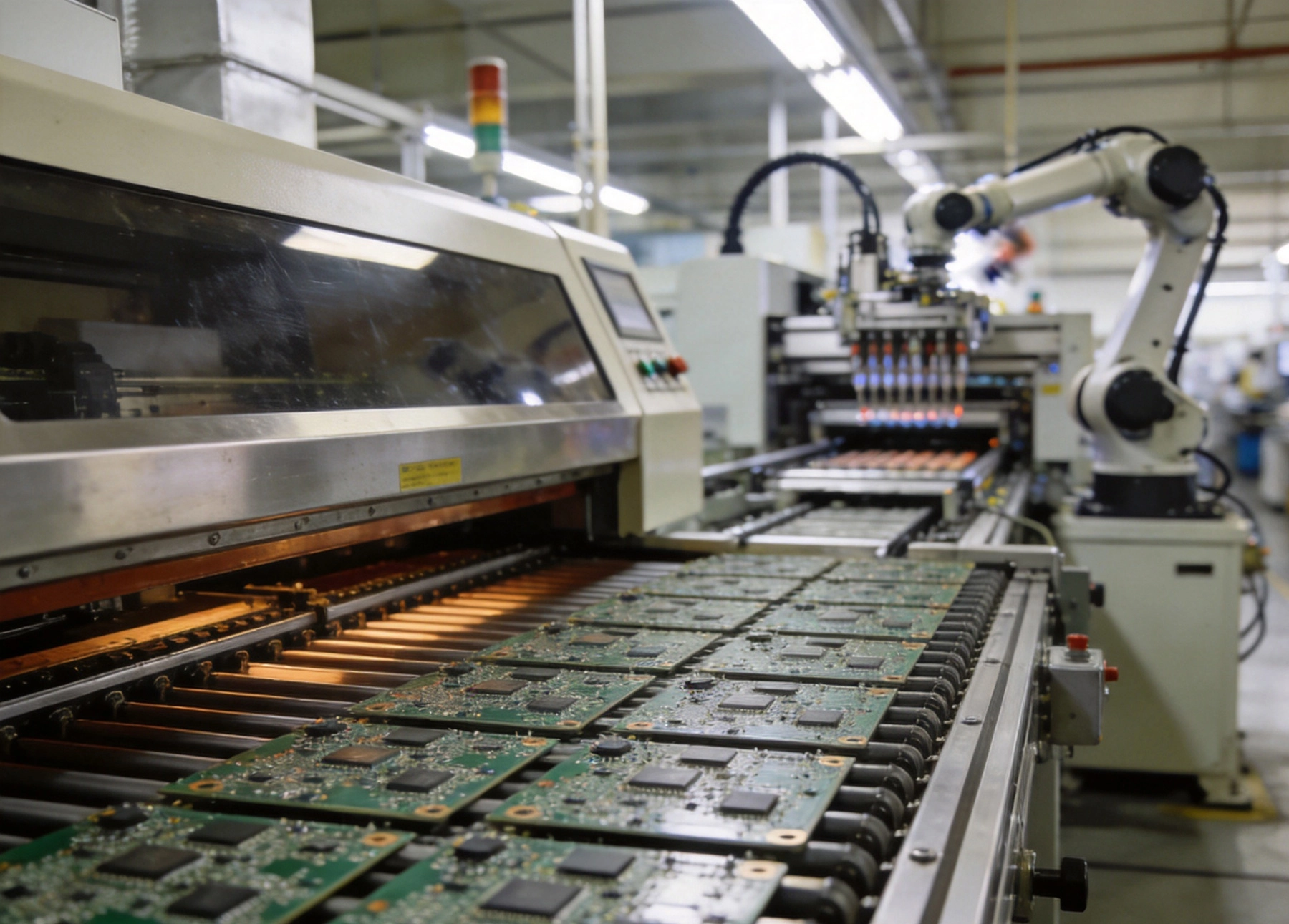
Standard testing includes Visual Inspection under magnification, Automated Optical Inspection (AOI) for surface mount component placement, and ICT (in-circuit testing) for electrical verification of assembled boards. For through-hole assemblies and mixed-technology boards, we also offer flying probe testing as an alternative to dedicated fixture-based ICT.
For higher reliability applications, we offer additional testing services including X-ray inspection for Bga and fine-pitch components, functional testing based on your test specifications, Thermal Stress testing, and burn-in testing for extended operation verification. These enhanced testing options are quoted on a project-specific basis.
Yes. Our facility is equipped to handle Bga packages, Qfn, LGA, and fine-pitch components down to 0.3mm pitch. We utilize X-ray inspection to verify solder joint quality for hidden-lead packages, and our process engineers have extensive experience with fine-pitch assembly optimization including Stencil Design, reflow profile tuning, and yield improvement for challenging package types.
For very Fine Pitch Components below 0.3mm, or for unusually large BGA arrays, contact our engineering team early in the design phase to discuss specific capabilities and DFM requirements.
Yes. All turnkey and consignment assembly orders include a design for Manufacturing and assembly (DFMA) review as part of our standard process. Our engineering team analyzes your design files for producibility issues, identifies potential assembly challenges, and provides a written DFM report with specific recommendations before production begins.
We encourage customers to engage with our engineering team during the design phase rather than waiting until files are submitted. Early collaboration catches issues when they are least expensive to address and helps ensure smooth production runs.
In turnkey orders, our procurement team sources components based on the manufacturer part numbers (MPNs) provided in your BOM. When the specified component is unavailable or on long lead time, we contact you before making substitutions, presenting one or more alternates for your approval. We do not substitute components without explicit customer authorization.
If you want us to pre-approve common substitutions, you can indicate acceptable alternate MPNs in your BOM, and our team will apply these automatically within your stated parameters. This approach reduces lead time impacts for components with known availability constraints.
We offer all standard surface finishes including HASL (lead-free), ENIG (electroless nickel immersion gold), immersion silver, OSP (organic solderability preservative), and hard gold plating for edge connector areas. ENIG is our most common recommendation for mixed-technology assemblies and fine-pitch components due to its flat surface and excellent shelf life characteristics.
Special finishes such as ENEPIG (electroless nickel electroless palladium immersion gold) or selective gold plating are available on request for specialized applications.
Yes. We support mixed-technology assemblies that combine surface mount components, through-hole components, and press-fit connectors in a single board. Our production processes include both Reflow Soldering for SMT components and selective wave or hand soldering for through-hole parts, with careful process control to prevent thermal damage to heat-sensitive components during Wave Soldering.
For boards with unusual thermal profiles or components that require special handling, our engineering team will develop a custom process flow to ensure reliable assembly.
Standard packaging for completed assemblies is anti-static trays or tubes, depending on board size and component configuration. All assemblies are packaged to prevent physical damage and electrostatic discharge during transit. We also offer vacuum packaging with desiccant for enhanced moisture protection when boards will be stored for extended periods or shipped to humid climates.
Custom packaging options are available if your product has specific requirements for tray configurations, labeling, or kit bundling.
Every delivery includes a certificate of conformance (C of C) documenting that assemblies were built to specification, a First Article Inspection report for new products, complete traceability documentation linking each assembly to its Manufacturing lot, and original manufacturer COCs for any components sourced through our procurement network.
Additional documentation such as Ipc-a-610 inspection reports, test data logs, or custom quality documentation can be provided upon request or as specified in your quality requirements.
The easiest way to begin is to upload your design files through our online quote portal. Our system performs an automated preliminary Dfm Review and generates an instant quote for standard configurations. For more complex projects or when you have specific requirements, you can request a formal engineering review and custom quote from our team.
Share your design files, BOM, and any special requirements, and you will receive a detailed response within one business day. We welcome questions before you commit—our engineering team is available to discuss your project and help determine the best path forward.
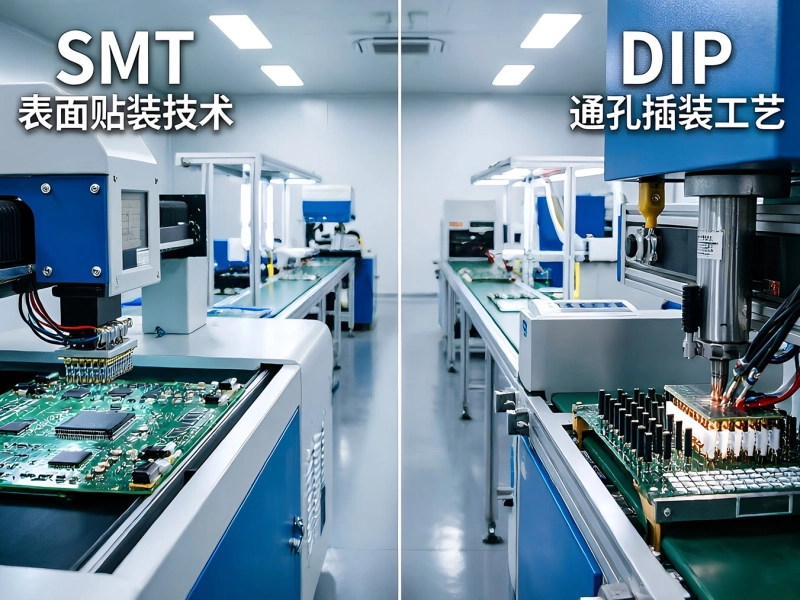
Comprehensive Guide to Our SMT and DIP CapabilitiesJune/09/2026

Meet the Team: Expertise Behind Our High-Yield Production LinesSeptember/02/2026
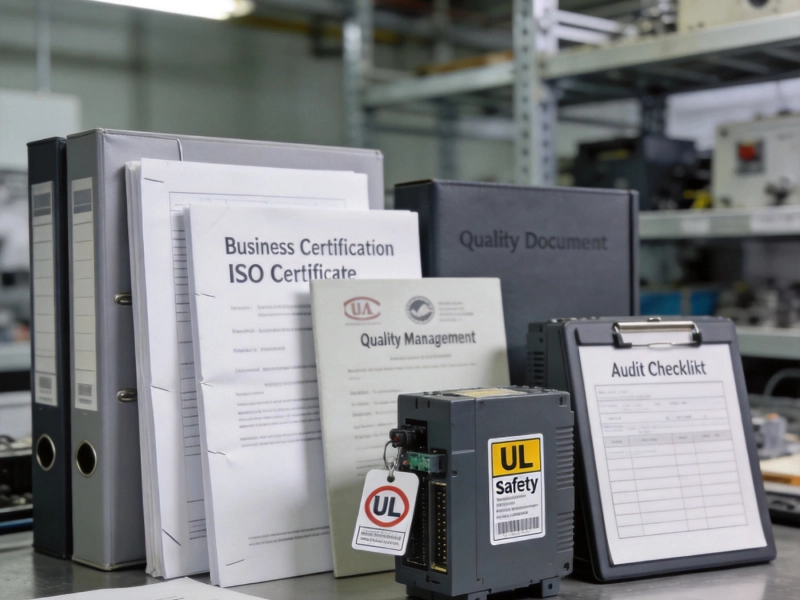
Certifications That Matter: ISO, IATF, and UL Compliance ExplainedSeptember/11/2026
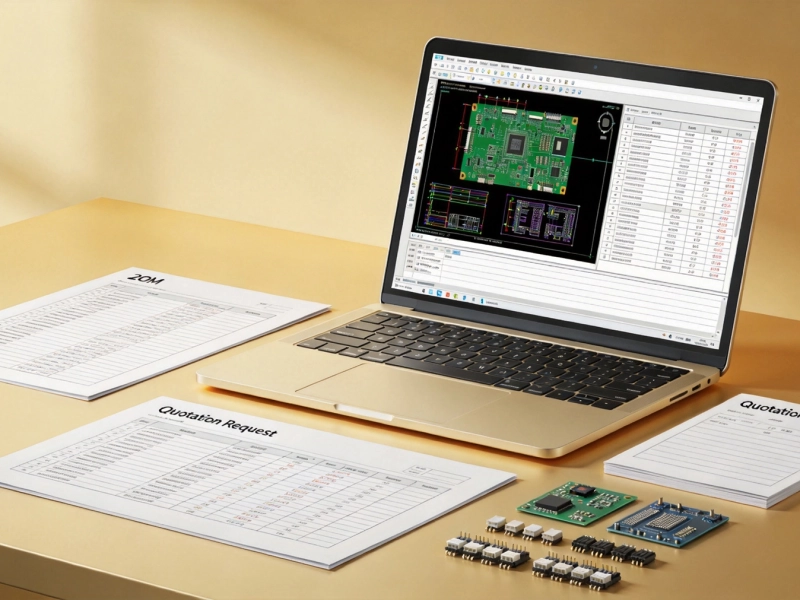
Requesting a Quote: A Step-by-Step Walkthrough for New ClientsSeptember/17/2026
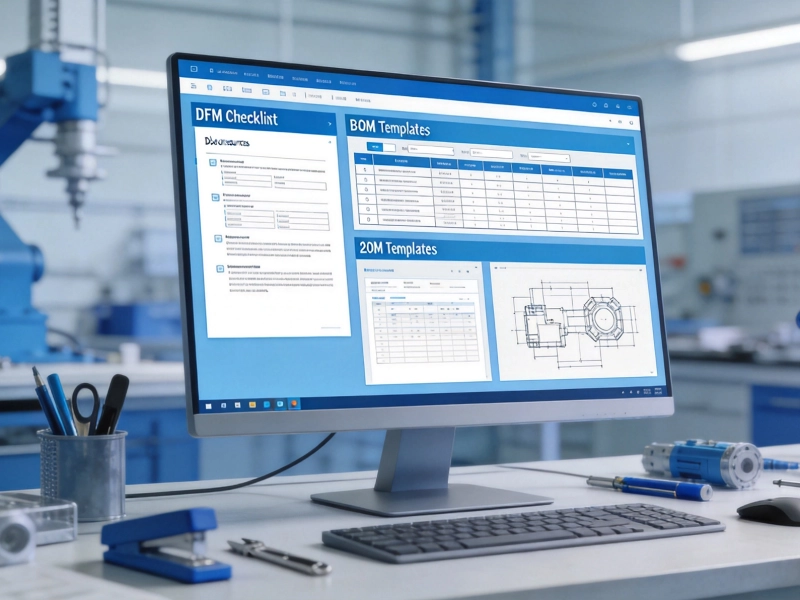
Downloadable Resources: DFM Checklists and BOM TemplatesAugust/03/2026
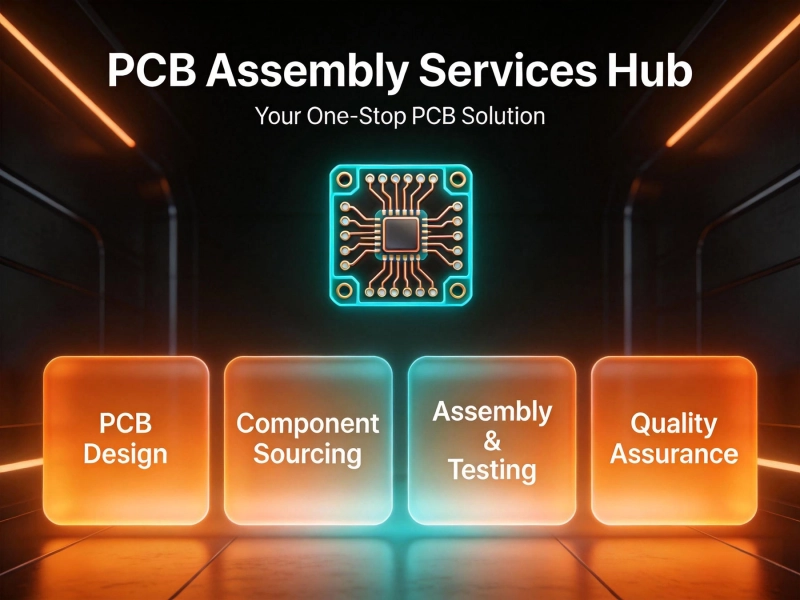
Welcome to Our PCB Assembly Services Hub: Your Resource CenterMay/22/2026
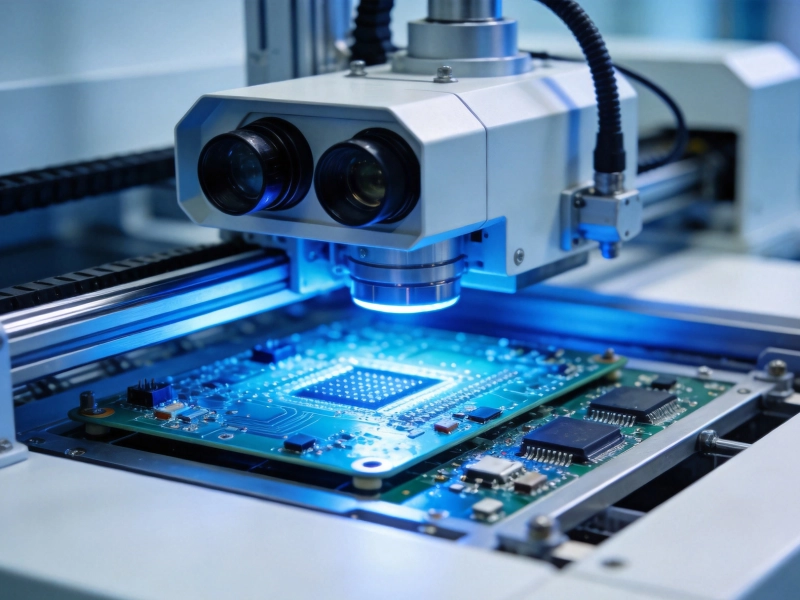
Our Quality Assurance Promise: AOI, X-Ray, and Functional TestingJune/26/2026

The Ultimate Guide to PCB Assembly Services in 2026September/24/2026