Open Nav


pcb assembly (Pcba) is a critical stage of product development that directly impacts your product’s quality, cost, and time to market. Even small mistakes when placing an order with a pcb assembly supplier can lead to costly delays, production reworks, defective products, and missed launch deadlines. Many product teams, especially those new to Manufacturing, make avoidable mistakes that add thousands of dollars to production costs and delay launches by weeks or even months. Understanding these common mistakes and how to avoid them will help you ensure smooth, cost-effective Pcb Assembly with consistent quality results.
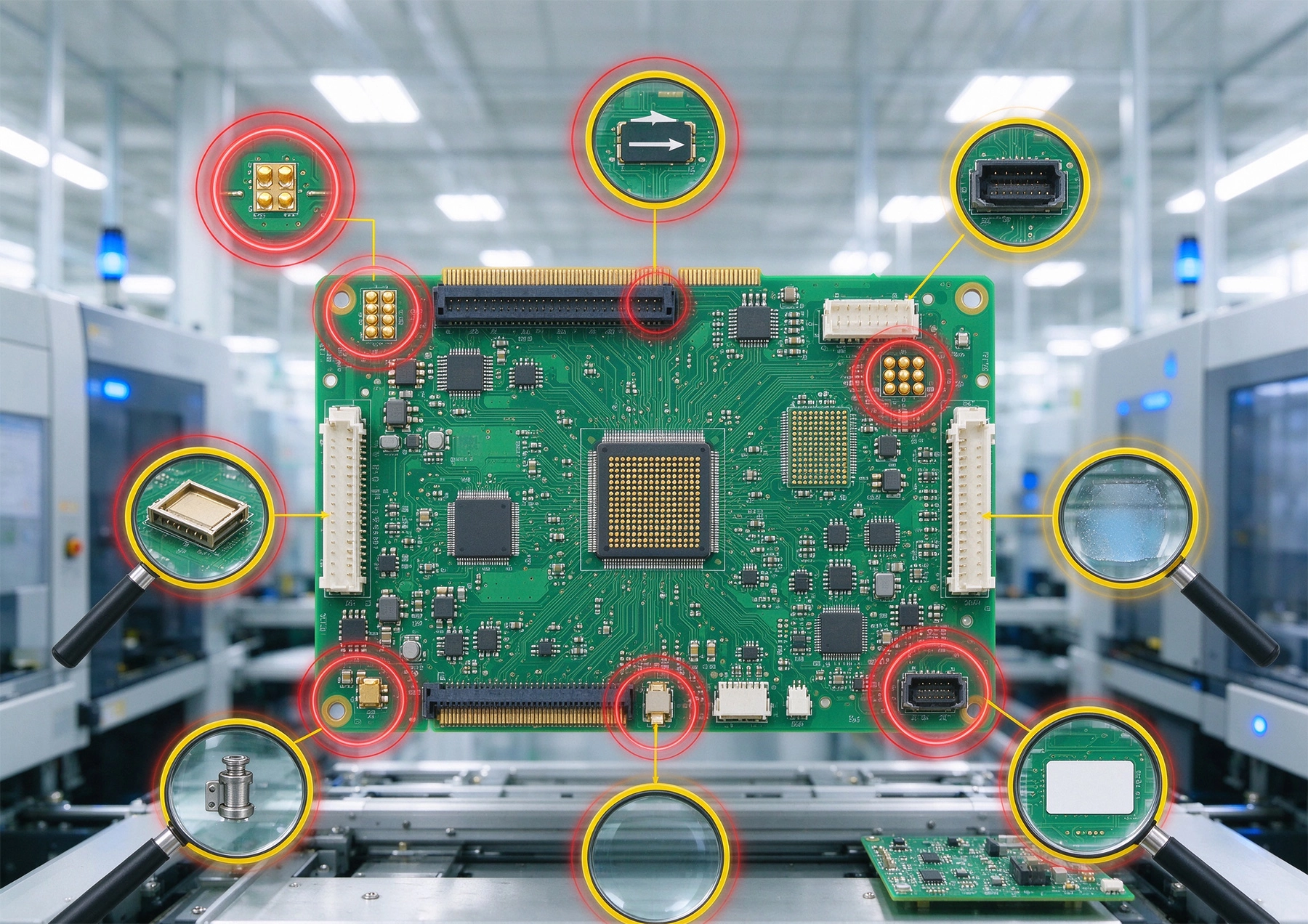
This is the most common mistake when ordering Pcba Services. Incomplete or inaccurate design files cause immediate production delays as suppliers have to request missing information or clarification. Common issues include missing Gerber Files, incomplete Bill Of Materials (BOM), incorrect pick-and-place coordinate files, missing drill files, or outdated design revisions.
Consequences: Production delays of 3-7 days, incorrect assembly, or extra charges for file rework.
How to avoid: Create a complete package of all required files before submitting your order, including Gerber Files (RS-274X format), complete BOM with part numbers, quantities, and approved alternatives, pick-and-place coordinates, drill files, assembly drawings, and any special requirements. Double-check that all files match the latest design revision.
Many teams focus only on design functionality and skip DFM/DFA reviews before sending files for assembly. Designs that work perfectly for prototyping may have features that are difficult, expensive, or impossible to assemble at scale, such as insufficient component spacing, fine-pitch components without proper Fiducial Marks, or through-hole components that require manual assembly.
Consequences: Higher assembly costs, increased defect rates, and design changes required mid-production.
How to avoid: Always conduct a full DFM/DFA review before submitting your order for assembly. Most reputable Pcba suppliers offer free DFM/DFA checks as part of their service. Address all identified issues before production begins to avoid costly rework later.
Many teams select components based solely on performance requirements without checking availability, lead times, or Supply Chain risks. This is especially problematic in times of component shortages, when popular parts can have lead times of 6 months or more, or become obsolete without warning.
Consequences: Production delays of weeks or months, forced design changes to use available components, or significantly higher component costs.
How to avoid: Work with your supplier to verify component availability and lead times before finalizing your design. Include at least one approved alternative component for critical parts in your BOM. Consider using readily available, commonly used components whenever possible to minimize Supply Chain risk.
Failing to communicate clear quality standards and testing requirements leads to mismatched expectations between you and your supplier. If you don’t specify what quality level you require, suppliers will default to their standard quality levels, which may not meet your product’s needs.
Consequences: Higher than expected defect rates, products that fail Reliability Testing, or unexpected extra charges for testing services.
How to avoid: Clearly specify all quality requirements in your order, including acceptable quality limits (AQL), testing requirements (in-circuit testing, functional testing, X-ray inspection for Bga components), and any industry-specific standards your product must meet (Ipc-a-610, Iso 13485 for medical devices, etc.). Get written confirmation from your supplier that they can meet these requirements before production begins.
Many teams underestimate the time required for Pcb Assembly, especially for complex designs or orders requiring custom components. This leads to last-minute rush requests that significantly increase costs and can compromise quality as suppliers rush through production and testing steps.
Consequences: Rush fees that add 50-100% to assembly costs, increased defect rates due to rushed production, and still missed deadlines if components are not available.
How to avoid: Plan your production schedule well in advance. Standard PCBA lead times are typically 7-15 days for standard designs, plus additional time for Component Sourcing. Build buffer time into your schedule for unexpected delays, so you don’t have to pay premium rush fees. Discuss lead times with your supplier before placing your order to ensure they can meet your timeline.
Selecting a PCBA supplier based only on the lowest quoted price is a common mistake that often leads to higher long-term costs. Low-priced suppliers often cut corners on Quality Control, use counterfeit or low-quality components, have inexperienced staff, or hide extra fees in their quotes.
Consequences: High defect rates, product failures in the field, costly reworks, production delays, and hidden extra charges.
How to avoid: Evaluate suppliers based on multiple factors, including quality certifications (IPC, ISO), industry experience, customer references, Quality Control processes, and customer support, not just price. Look for suppliers that offer Transparent Pricing with no hidden fees. A slightly higher upfront cost for a reputable supplier will almost always save you money in the long run through lower defect rates and fewer production issues.
If your design requires special assembly processes, failing to clearly communicate these requirements leads to incorrect assembly. Common special requirements include Conformal Coating, potting, through-hole component hand soldering, specific torque requirements for connectors, or special labeling.
Consequences: Products assembled incorrectly, requiring costly rework or complete scrapping of the production run.
How to avoid: Include all special assembly requirements in your assembly drawing document, with clear illustrations where necessary. Highlight any non-standard requirements in your initial communication with the supplier, and get confirmation that they understand and can meet these requirements before production begins.
Many teams eager to get to market skip prototype assembly and testing, or place a large production order immediately after testing a hand-assembled prototype. Hand-assembled prototypes often hide design issues that only appear during automated assembly at scale.
Consequences: Hundreds or thousands of defective units that require rework or scrapping, costing tens of thousands of dollars and months of delay.
How to avoid: Always order a small prototype assembly run (5-50 units) before placing a large production order. Have the prototype assembled using the same processes and components that will be used for mass production. Test all prototypes thoroughly to identify design or assembly issues before scaling up.
Production often gets delayed because teams fail to respond promptly to supplier questions or clarification requests. Suppliers typically put your order on hold while waiting for your response, which can add days or weeks to lead times.
Consequences: Unnecessary production delays, missed deadlines, and rushed production to make up lost time, which can compromise quality.
How to avoid: Designate a single point of contact for all communication with your supplier, and ensure they are available to respond to questions promptly during production. Provide clear contact information and expected response times when placing your order. Proactively communicate any design changes or updated requirements as early as possible.
Many teams never ask about a supplier’s rework, return, or warranty policies before placing an order, assuming they will cover any defects or issues. Different suppliers have very different policies, and some may not cover defects caused by design errors, or may charge high fees for rework.
Consequences: Unexpected costs for rework or replacement of defective units, or being stuck with a batch of defective products with no recourse.
How to avoid: Ask for a clear copy of the supplier’s rework, return, and warranty policies before placing your order. Understand what defects are covered, what the warranty period is, and what costs you will be responsible for in case of production issues. Clarify responsibility for design-related defects vs. Manufacturing-related defects before production begins.
Follow these best practices to avoid the above mistakes and ensure successful Pcb assembly:
Ordering Pcb assembly services doesn’t have to be a stressful experience filled with unexpected delays and costs. By being aware of these common mistakes and taking proactive steps to avoid them, you can ensure smooth, cost-effective production with consistent quality results. The key to success is thorough preparation, clear communication, and building a strong working relationship with a reputable PCB assembly supplier that understands your product requirements and quality standards. Taking the time to get your order right the first time will save you significant time, money, and frustration in the long run.
Contact us to discuss your requirements.
A: You typically need to provide Gerber files, complete BOM with part numbers and alternatives, pick-and-place coordinate files, drill files, assembly drawings, and any special requirements or testing instructions.
A: Standard lead times are 7-15 days for most designs, depending on component availability and order complexity. Rush services are available for shorter lead times at additional cost.
A: Check for quality certifications (Ipc-a-610, ISO 9001, industry-specific certifications for your sector), ask for customer references, and order a small prototype run first to evaluate their quality before placing large orders.
A: DFM (Design For Manufacturing) is a review of your design to ensure it can be manufactured efficiently and cost-effectively at scale. It identifies design features that may cause assembly issues, increase costs, or lead to defects.
A: Yes, providing approved alternative components for critical parts reduces supply chain risk and helps avoid production delays if your primary component is out of stock.

Enhancing Product Lifespan with Advanced Cleaning and Coating SolutionsAugust/06/2026

How to Vet a PCB Assembly Services Provider RemotelyOctober/20/2026

Thermal Relief Design: Balancing Heat Dissipation and SolderabilityJuly/23/2026
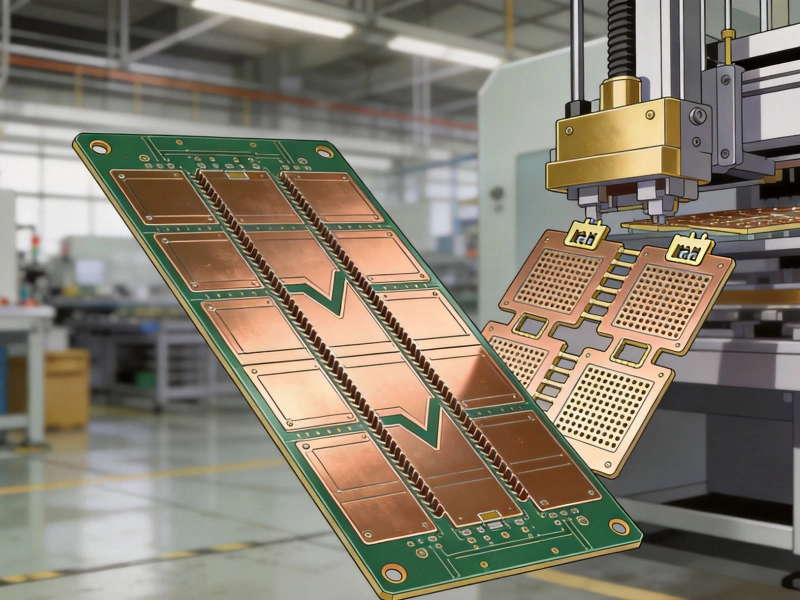
Panelization Strategies: V-Scoring vs. Tab Routing for Efficient DepanelingJuly/07/2026
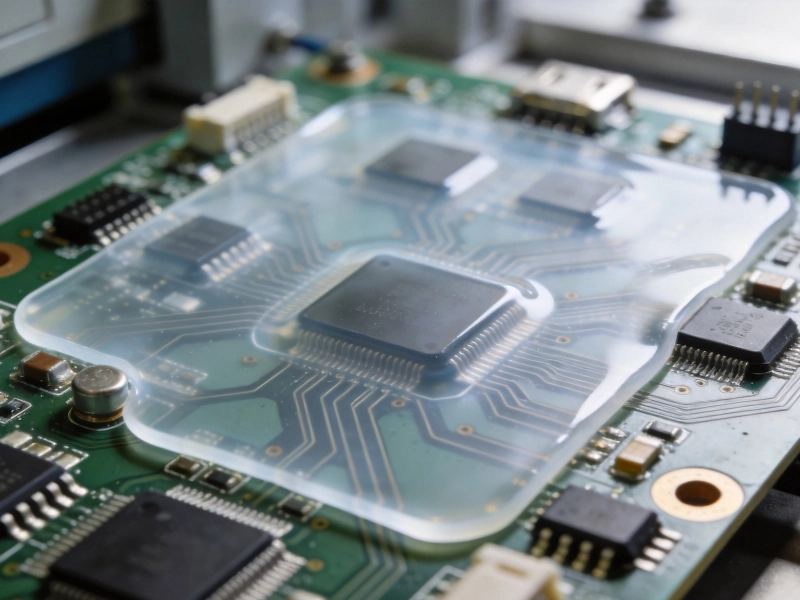
The Role of Conformal Coating in Protecting Your ElectronicsAugust/14/2026
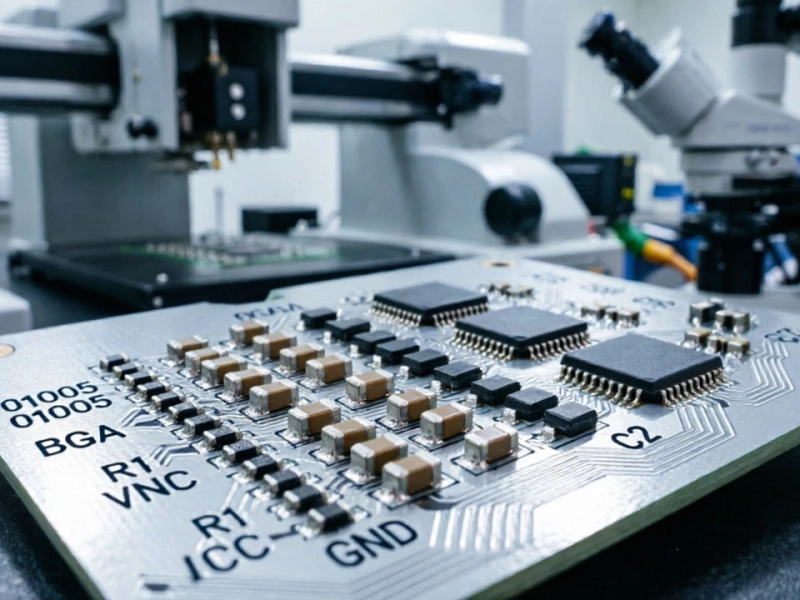
Handling 01005 Components and Micro BGAsJune/03/2026
Turnkey vs. Consignment PCB Assembly: Which Model Fits Your Project?August/08/2026

Understanding the Basics of SMT PCB Assembly China: A 2026 GuideOctober/13/2026