

Every year, electronics manufacturers lose billions of dollars to premature product failures caused by environmental damage. Moisture, dust, chemicals, and temperature extremes silently destroy circuit boards in everything from automotive control systems to medical devices. Conformal Coating has emerged as the most effective solution for protecting electronic assemblies from these destructive forces, extending product lifespan and ensuring reliable operation in harsh environments.
This comprehensive guide explores how Conformal Coating works, the different types available, their applications across industries, and how to implement effective coating strategies in your Manufacturing process. Whether you're designing electronics for outdoor use, industrial automation, or medical applications, understanding conformal coating is essential for creating products that stand the test of time.
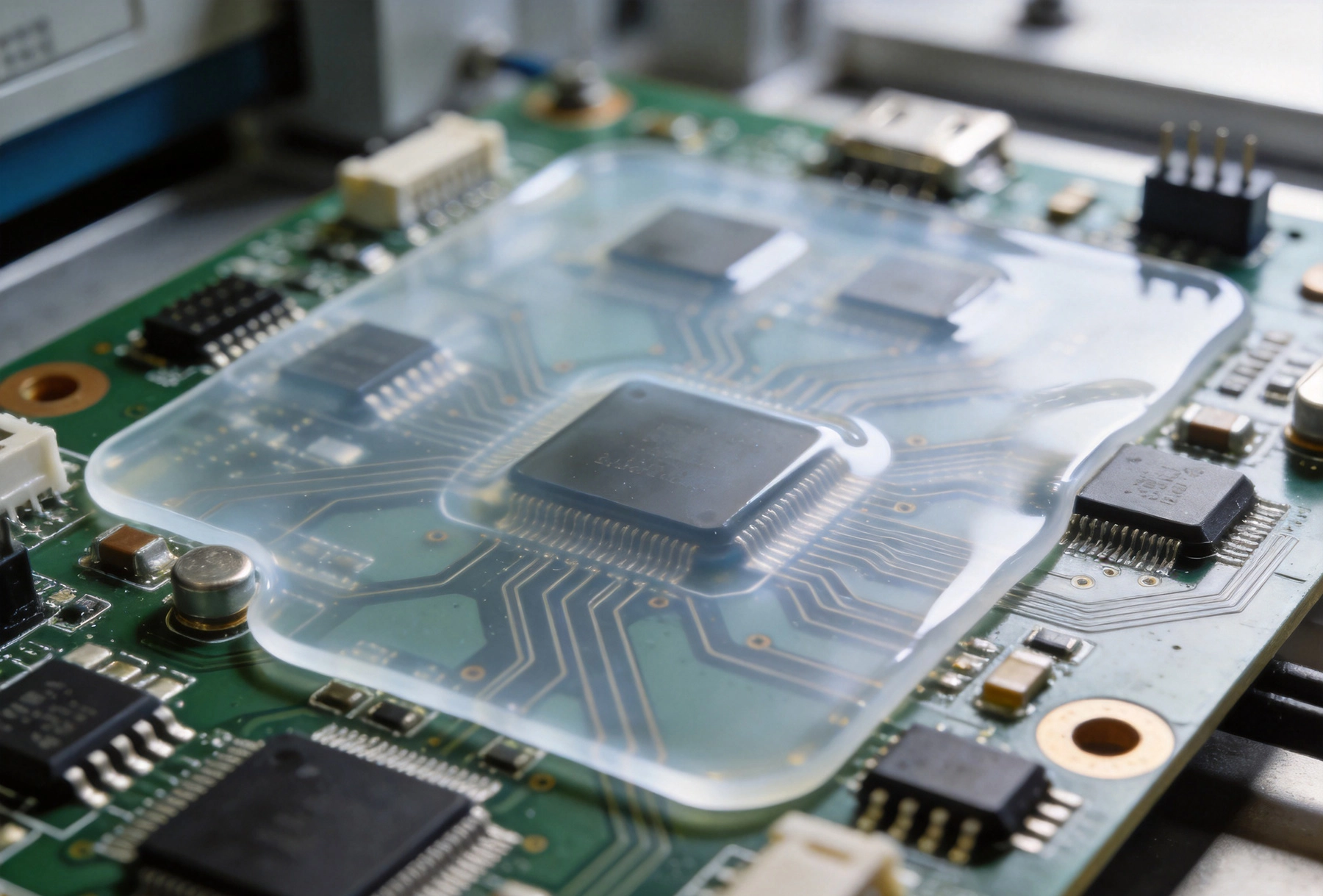
Conformal coating is a thin polymeric film that "conforms" to the contours of a printed circuit board (Pcb) and its components, creating a protective barrier against environmental contaminants. Typically ranging from 25 to 250 microns in thickness, this protective layer safeguards electronics from moisture, dust, chemicals, temperature extremes, and other environmental stressors that can cause corrosion, short circuits, and component failure.
The coating material is applied in liquid form and then cured through various methods depending on the coating type. Once cured, the coating forms a durable, transparent or semi-transparent layer that maintains electrical properties while providing Environmental Protection. Importantly, conformal coating is designed to be thin enough to not interfere with heat dissipation or component functionality while thick enough to provide meaningful protection.
Modern conformal coatings have evolved significantly from early varnishes and lacquers. Today's advanced formulations offer superior protection, better adhesion, improved thermal conductivity, and compatibility with high-density component packages including BGAs and QFNs. Some specialized coatings even provide additional benefits such as EMI shielding, UV resistance, or Thermal Management properties.
Understanding the different types of conformal coatings is crucial for selecting the right protection for your specific application. Each coating type offers unique characteristics, advantages, and limitations that make it suitable for different environments and performance requirements.
Acrylic conformal coatings are among the most widely used due to their excellent balance of properties and ease of application. These solvent-based coatings offer:
However, acrylic coatings have limitations in extreme chemical environments and may not withstand prolonged exposure to harsh solvents. They also have relatively low temperature resistance compared to some alternatives, typically rated for continuous operation up to 125°C.
Silicone coatings excel in high-temperature applications and environments with extreme thermal cycling. Key characteristics include:
Silicone coatings can be more challenging to rework and repair compared to acrylics, often requiring specialized removal methods. They also tend to be more expensive and may have slightly different optical properties that can affect Visual Inspection.
Urethane (polyurethane) coatings offer exceptional chemical and abrasion resistance, making them ideal for harsh industrial environments. Notable features include:
Urethane coatings can be difficult to remove for rework, often requiring aggressive solvents or mechanical methods that may damage components. They also typically require longer curing times compared to acrylics.
Epoxy coatings provide the most robust protection among traditional conformal coating options, offering:
The downside of epoxy coatings is their difficulty of rework—removal typically requires mechanical methods that can damage components. They also have relatively high viscosity, making application more challenging, and may have limited flexibility for thermal cycling applications.
UV-curable coatings represent a newer technology offering several advantages:
UV-curable coatings require specialized equipment and line-of-sight exposure, which can limit their use in complex assemblies. They also may not perform as well in applications with high thermal requirements.
Conformal coating finds critical applications across virtually every industry where electronics must operate reliably in less-than-ideal environmental conditions. Understanding how different industries leverage conformal coating can help inform your own protection strategies.
The automotive industry represents one of the largest users of conformal coating, driven by increasingly harsh operating environments and stringent reliability requirements. Applications include:
Automotive applications typically require coatings that can withstand temperature extremes from -40°C to +125°C or higher, along with resistance to automotive fluids including fuels, oils, and brake fluids. Silicone and specialized urethane coatings are commonly used in these demanding applications.
Industrial environments present some of the most challenging conditions for electronics, making conformal coating essential for reliability:
Industrial applications often require coatings with excellent chemical resistance to withstand exposure to cleaning agents, lubricants, and process chemicals. Urethane and epoxy coatings are frequently specified for these demanding environments.
Medical devices require exceptional reliability and biocompatibility, making conformal coating selection particularly critical:
Medical applications require coatings that meet stringent biocompatibility standards (such as USP Class VI or ISO 10993) and can withstand repeated sterilization cycles. Medical-grade silicone and specialized urethane formulations are commonly used.
Aerospace and defense applications demand the highest levels of reliability under extreme conditions:
Aerospace applications require coatings that can operate across extreme temperature ranges, withstand pressure cycling, and provide long-term reliability without maintenance. Silicone coatings are often preferred for their thermal cycling capabilities and chemical resistance.
The effectiveness of conformal coating depends significantly on the application method. Different techniques offer varying levels of precision, coverage, and cost-effectiveness, making the choice of application method an important consideration in your coating strategy.
Brush application is the simplest and most cost-effective method, suitable for:
While brush application requires minimal equipment investment, it provides inconsistent coating thickness, is labor-intensive, and may not achieve complete coverage in complex assemblies. It's best suited for low-volume applications where coating uniformity is not critical.
Spray application offers better coverage and consistency compared to brushing and is suitable for:
Spray application can be performed manually or with automated spray systems. Manual spraying requires skilled operators to achieve consistent results, while automated systems provide better reproducibility. Overspray and coating waste are common concerns with spray application.
Dip coating provides complete coverage and is ideal for:
Dip coating offers excellent coverage and consistent coating thickness but requires careful process control to prevent coating buildup in unwanted areas. It's particularly effective for boards with consistent component height profiles.
Selective coating systems apply coating only to specified areas, making them ideal for:
Selective coating systems use programmable applicators to apply coating only where needed, reducing material waste and avoiding coated areas that must remain accessible. These systems require significant capital investment but provide excellent reproducibility for high-volume applications.
Curtain coating passes boards through a falling curtain of coating material, offering:
Curtain coating is highly efficient for high-volume production but requires specialized equipment and works best with boards that can be oriented horizontally during the coating process.
Effective conformal coating implementation begins at the design stage. Several key considerations can optimize coating effectiveness and manufacturability.
Design for coating compatibility by considering:
Optimize your PCB layout for coating effectiveness:
Account for the thermal effects of conformal coating:
Implementing effective Quality Control processes is essential for ensuring conformal coating provides the intended protection throughout product life.
Visual inspection remains a critical Quality Control method:
UV fluorescent coatings simplify visual inspection by making coating coverage clearly visible under UV light. This technique is particularly useful for complex assemblies where visual inspection is challenging.
Accurate thickness measurement ensures proper coating application:
Verify electrical integrity after coating application:
Validate coating effectiveness through environmental testing:
Implementing conformal coating effectively requires awareness of common challenges and strategies to address them.
Challenge: Inconsistent coating thickness and coverage
Solution: Implement proper process controls, regularly maintain application equipment, and train operators on proper techniques. Consider automated application systems for improved consistency.
Challenge: Coating bridging between closely spaced conductors
Solution: Optimize PCB layout for adequate spacing, use appropriate coating viscosity, and implement selective coating to prevent coating in high-density areas.
Challenge: Difficulty removing coating for component replacement
Solution: Select coating materials with appropriate rework characteristics for your application, establish proper rework procedures, and train technicians on coating removal techniques.
Challenge: Coating damage during maintenance operations
Solution: Design assemblies with maintenance access points, use protective covers in vulnerable areas, and establish proper handling procedures for coated assemblies.
Challenge: Coating incompatibility with certain components or materials
Solution: Verify coating compatibility with all assembly materials before implementation, particularly for sensitive components and specialty materials.
Challenge: Coating degradation over time in harsh environments
Solution: Select coating materials specifically rated for your environmental conditions, implement regular inspection schedules, and plan for coating maintenance or reapplication as needed.
While conformal coating adds cost to the manufacturing process, the return on investment can be substantial when considering reduced warranty claims, improved reliability, and enhanced product reputation.
Direct costs associated with conformal coating include:
Indirect benefits that contribute to ROI include:
For a typical industrial control module costing $50 to manufacture:
For annual production of 10,000 units, the coating investment of $20,000-50,000 can reduce warranty costs from $100,000-500,000 to $10,000-50,000, resulting in net savings of $70,000-400,000 annually.
The conformal coating industry continues to evolve with new technologies addressing emerging challenges in electronics protection.
Advanced nanotechnology formulations offer:
Emerging smart coating technologies provide:
Sustainability drives development of:
Conformal coating has become an essential technology for ensuring electronics reliability in today's demanding operating environments. From automotive under-hood applications to medical devices, from industrial automation to aerospace systems, conformal coating provides the critical protection needed for electronic assemblies to perform reliably throughout their intended service life.
Success with conformal coating requires careful consideration of coating type, application method, design compatibility, and quality control processes. By understanding these factors and implementing them effectively, manufacturers can significantly reduce field failures, improve product reliability, and enhance customer satisfaction while achieving a strong return on investment.
As electronic devices continue to shrink while operating environments become more demanding, the role of conformal coating in electronics protection will only grow in importance. Staying informed about coating technologies, application methods, and best practices ensures that your products meet the reliability expectations of today's market while preparing for the challenges of tomorrow.
Q: Is conformal coating necessary for all electronics?
A: Not necessarily. Conformal coating is most beneficial for electronics operating in harsh environments (moisture, dust, chemicals, temperature extremes) or where high reliability is critical. For consumer electronics in controlled indoor environments, coating may not be required.
Q: How long does conformal coating last?
A: Properly applied conformal coating can last 10-20 years or more in typical applications. Service life depends on environmental conditions, coating type, and application quality. Regular inspection can identify when re-coating may be necessary.
Q: Can conformal coating be removed?
A: Yes, most conformal coatings can be removed, though ease of removal varies by type. Acrylic coatings are generally easiest to remove with common solvents, while epoxy coatings typically require mechanical removal methods that may damage components.
Q: Does conformal coating affect heat dissipation?
A: Yes, conformal coating has some insulating properties that can affect heat dissipation. This effect is typically minimal for most applications but should be considered in high-power designs. Some specialized coatings offer improved thermal conductivity.
Q: Can conformal coating be applied to already-assembled boards?
A: Yes, conformal coating is typically applied after complete assembly and testing. Some application methods work better on assembled boards than others, and proper masking is required to keep connectors and other areas uncoated.
PCB Fabrication and Assembly: What's the Difference?September/30/2026
Turnkey vs. Consignment PCB Assembly: Which Model Fits Your Project?August/08/2026
A Simple Explanation of Wave Soldering for Mixed-Technology BoardsJuly/22/2026
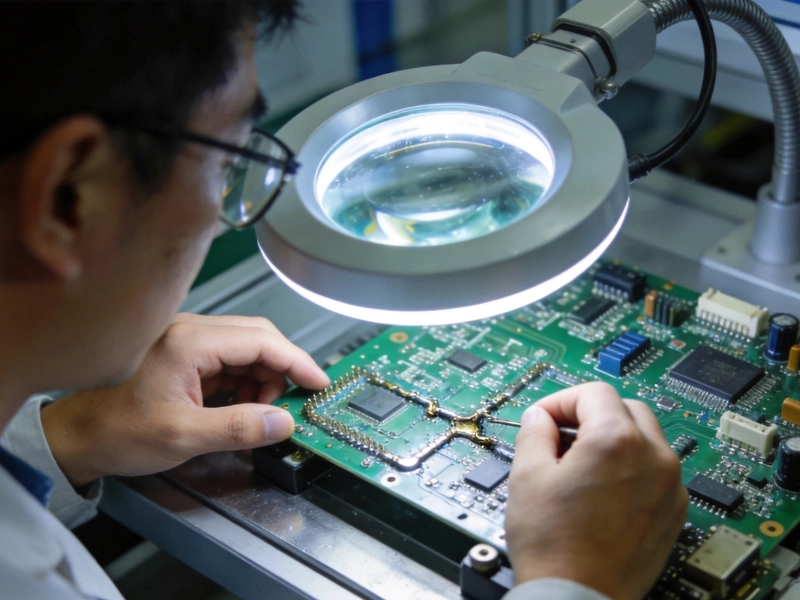
Common PCB Assembly Defects and How to Spot Them VisuallyJuly/30/2026
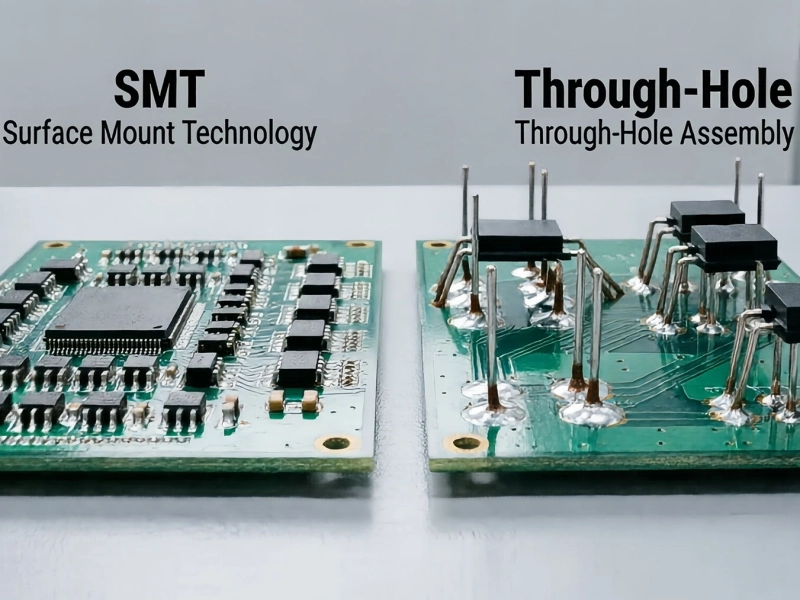
What is the difference between Surface Mount Technology (SMT) and through-hole assembly?June/04/2026
What is PCB Assembly? A Beginner's Guide to the BasicsMay/22/2026
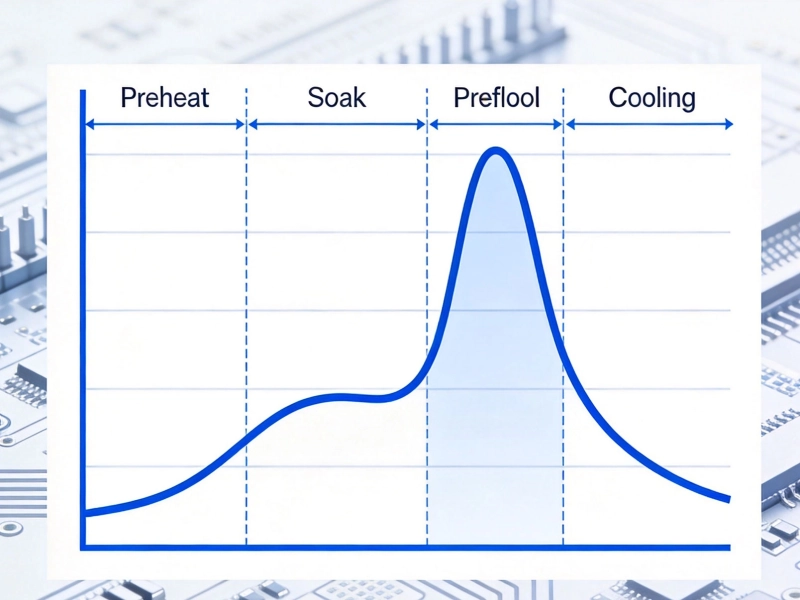
What is Reflow Soldering and Why Does the Temperature Profile Matter?July/14/2026
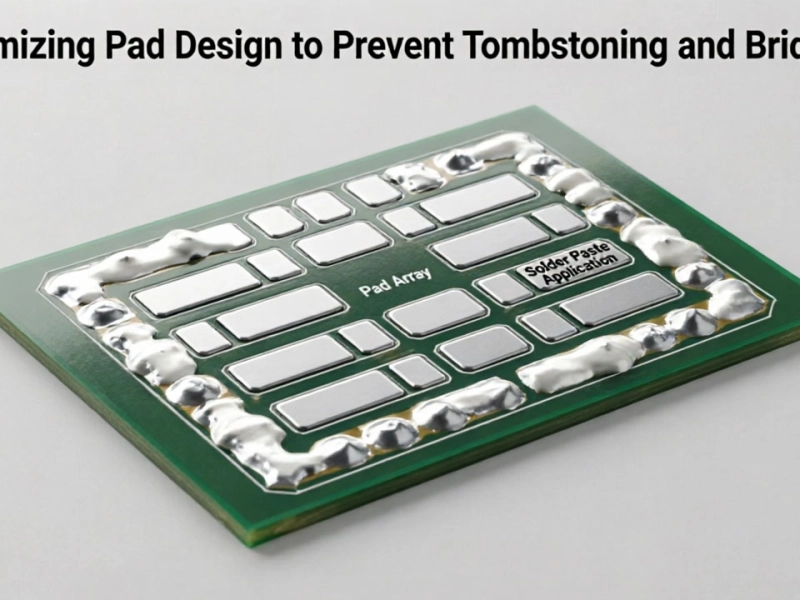
Optimizing Pad Design to Prevent Tombstoning and BridgingJune/05/2026