

You've built a working prototype. Your friends have tested it and loved it. Investors are showing interest. Now comes the part that kills most Hardware Startups: turning that prototype into a product you can sell at scale.
Software is easy to duplicate. Push a button, and a million copies exist. Hardware is different. Every unit requires sourcing components from half a dozen suppliers, coordinating assembly at a factory floor, passing quality inspections, and somehow making a profit while doing all of this faster than your competitors.
This guide walks you through the journey from prototype to mass production. We'll cover the pitfalls, the pivots you'll need to make, and the decisions that determine whether your startup becomes a company or becomes a cautionary tale at industry conferences.
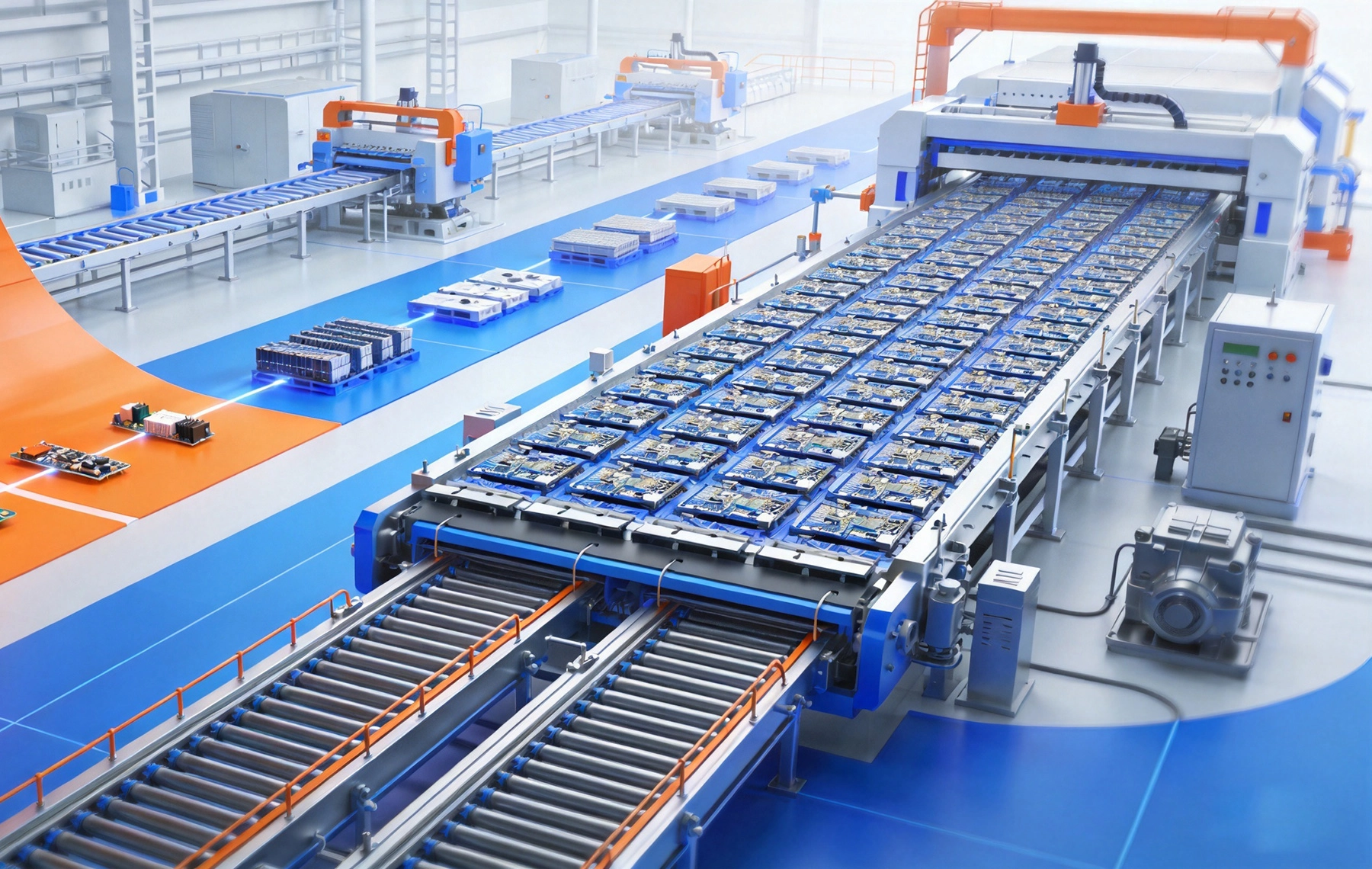
Before diving into specifics, let's acknowledge what makes hardware scaling so difficult. In software, iteration is cheap and fast. Find a bug, fix it, deploy. In hardware, iteration is expensive and slow. Find a bug, redesign the Pcb, wait three weeks for new boards, hope your manufacturer can accommodate the change.
This fundamental difference shapes everything about hardware scaling:
The transition from Prototype To Production isn't a single moment—it's a process that starts while your prototype is still being refined. The decisions you make during this phase determine your production success.
Your prototype was probably designed for performance, not manufacturability. Before scaling, you need Design for Manufacturing (DFM) analysis. This means:
Many startups skip DFM because it feels like an unnecessary delay. They pay for this mistake later, when production yields are low and costs spiral.
Components are often the longest-lead-time item in Electronics Production. While your manufacturer builds fixtures and sets up assembly lines, you're hunting down ICs that won't arrive for 20 weeks.
Your production BOM isn't the same as your prototype BOM. It needs:
Don't wait until you need components to find suppliers. Start building relationships with distributors and component manufacturers early. FAEs (Field Application Engineers) at major distributors can help you select components that are in stock, have long production lifetimes, and come from reliable sources.
Some components on your prototype may be discontinued or heading toward end-of-life. Before production, audit your BOM for:
Your product probably needs certifications before it can legally sell: FCC for wireless devices, CE for European markets, UL for safety, ROHS for Environmental Compliance. These certifications take months and cost tens of thousands of dollars.
Start certification planning early. Design your enclosure and PCB with certification requirements in mind. Pre-scan your product for common compliance issues. Every revision cycle you can avoid saves time and money.
Your manufacturing partner will become one of your most important strategic relationships. Choose poorly, and you'll spend your entire startup experience fighting fires. Choose well, and they'll become an extension of your team.
Contract manufacturers provide assembly services. They purchase components on your behalf (or you ship them), assemble boards according to your specifications, and deliver finished products. CMs range from small operations handling hundreds of units monthly to massive facilities producing millions of units.
For most Hardware Startups, a mid-sized CM with experience in your product category is ideal. They're large enough to have professional processes but small enough to give you attention.
Turnkey services handle everything: PCB Fabrication, Component Procurement, assembly, and sometimes testing. For startups with limited Supply Chain experience, turnkey simplifies logistics significantly. The tradeoff is less control over component selection and potentially higher per-unit costs.
Large EMS companies like Foxconn or Jabil handle everything from design through box-build assembly, logistics, and even after-sales service. They're designed for high-volume production of mature products—not the right fit for a startup shipping its first units.
Don't select a manufacturer based on price alone. Evaluate them across multiple dimensions:
If possible, visit potential manufacturing partners in person. You'll learn things that can't be conveyed through emails and video calls:
Pay attention to the intangibles. A manufacturer that seems proud of their work and genuinely interested in your success will be a better partner than one offering the lowest price.
Quality isn't something you inspect into products—it's something you build in through systematic processes. Your manufacturing partner needs quality systems that match your reliability requirements.
Before components go into production, they should be verified. Depending on your risk tolerance and volume, this might be:
Most startups find that a combination works: critical components get tighter inspection, commoditized parts get less scrutiny.
Quality checks during assembly catch problems before boards are complete:
Cosmetic inspection isn't enough. Your products need functional verification:
Design your test strategy alongside your product design. Test access points should be designed in, not added later.
When problems occur, you need to be able to trace back to root cause:
Your prototype might cost $500 per unit to build. Mass production might target $50 per unit. Achieving that cost reduction requires systematic optimization across your entire product.
Your first production run might go smoothly. The second might face component shortages. The third might encounter a pandemic. Building Supply Chain Resilience protects your business from disruptions.
Avoid single points of failure. For critical components, qualify multiple suppliers even if one is cheaper. The cost of dual sourcing is usually less than the cost of being unable to ship.
Hardware startups often struggle between two failure modes:
The right inventory level depends on your demand predictability, component lead times, and risk tolerance. Use data-driven approaches: forecast demand, calculate safety stock requirements, and monitor inventory turns.
Treat your suppliers and manufacturing partners as strategic partners, not transactional vendors. The companies that got priority during the 2020 chip shortage were the ones with established relationships and regular orders.
Hardware startups make predictable mistakes. Learn from others:
The pressure to ship before funding runs out leads many startups to start production before the design is ready. This results in expensive rework, field failures, and reputation damage. Take the time to validate your design thoroughly.
Cheaper components and manufacturers save money upfront but cost more later in failures, returns, and lost customers. Quality is not where startups should cut costs.
Component price is a fraction of total cost. Consider:
What you can prototype in days takes months to produce. Build realistic timelines into your business plan. The average Hardware Startup underestimates Time-to-market by 2-3x.
When orders start coming in, you need to scale quickly. Don't let success break your company. Have plans for handling 10x your expected volume. Know which suppliers can ramp with you.
Scaling hardware is emotionally challenging. You'll face setbacks that feel catastrophic, moments of doubt, and times when giving up seems reasonable. The founders who succeed aren't the ones with perfect plans—they're the ones who persist through adversity.
Build relationships with other hardware founders. Share experiences, learn from mistakes, and remind each other that the struggle is normal. Hardware is hard—but the companies that solve the hard problems are the ones that build defensible businesses.
Going from prototype to mass production is the journey that transforms an idea into a business. It's also the journey that breaks most hardware startups. The companies that succeed share common traits: they invest in preparation, choose manufacturing partners carefully, build quality into their processes, and treat their supply chain as a strategic asset.
The path is challenging, but the rewards are substantial. There's something deeply satisfying about seeing your creation in customers' hands—knowing that you've solved the engineering, manufacturing, and business challenges to deliver a product that works.
If you're starting this journey, start now. Every day of preparation makes the production phase smoother. Find mentors who've been through it. Build relationships with the partners who'll help you scale. And remember: the goal isn't to avoid all problems—it's to build the capability to solve problems quickly when they arise.
Minimum order quantities vary by manufacturer and product complexity. Some pcb assembly services accept orders as low as 5-10 units for prototypes. For production, typical MOQs range from 100-1000 units, though this varies widely. Box-build products with custom enclosures typically require higher MOQs due to tooling costs.
For a moderately complex electronics product, expect 3-6 months from design completion to first production units. This includes Dfm Review (2-4 weeks), tooling and fixtures (4-8 weeks), Component Procurement (8-16 weeks for long-lead items), and pilot production (2-4 weeks). Complex products or products with custom tooling can take significantly longer.
Startup costs vary enormously. For a simple PCB-based product, you might spend $10,000-30,000 in NRE (non-recurring engineering) fees: DFM analysis, test fixture development, and first article qualification. Complex products with custom enclosures, regulatory certification, and specialized manufacturing can cost $100,000 or more before producing a single saleable unit.
Turnkey Manufacturing simplifies logistics—you ship your design files and receive finished products. This works well for startups without supply chain expertise. Self-sourcing gives you more control over component selection, pricing, and second-source qualification. Most established companies eventually move to self-sourcing for Cost Optimization, but turnkey is often the right starting point.
Quality requires systematic processes: clear specifications, qualified manufacturing partners, inspection protocols, and traceability systems. Start with thorough incoming inspection, define Acceptance Criteria explicitly, and build relationships with partners who share your quality culture. Visit facilities, review certifications, and require evidence of process control.
Ready to scale your hardware product? Our team has experience helping startups navigate the journey from prototype to mass production.
Understanding the True Cost Drivers in Modern Electronics ManufacturingJuly/20/2026

The Rise of AI Servers and Their Impact on HDI PCB AssemblyJuly/10/2026
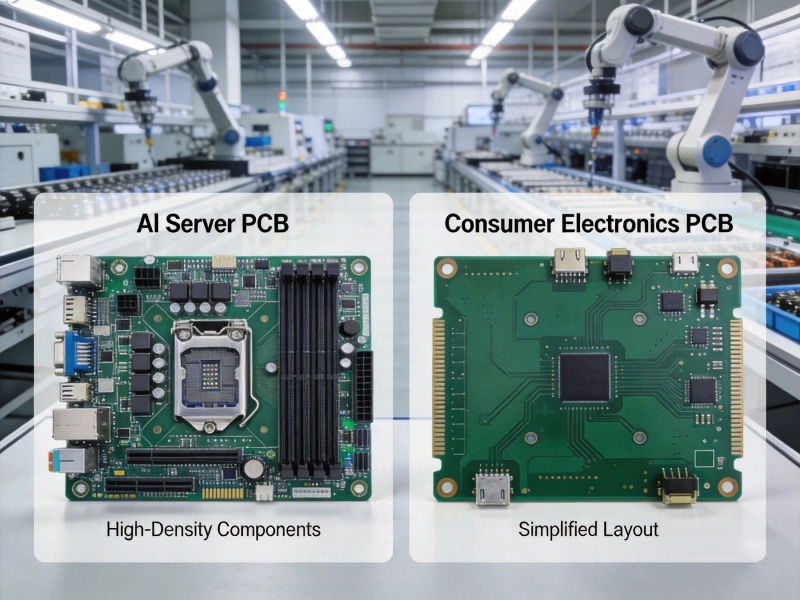
Navigating the Shift: Low-End vs. High-End PCB Assembly MarketsJune/12/2026
Why High-Reliability PCB Assembly is Critical for Medical DevicesMay/22/2026
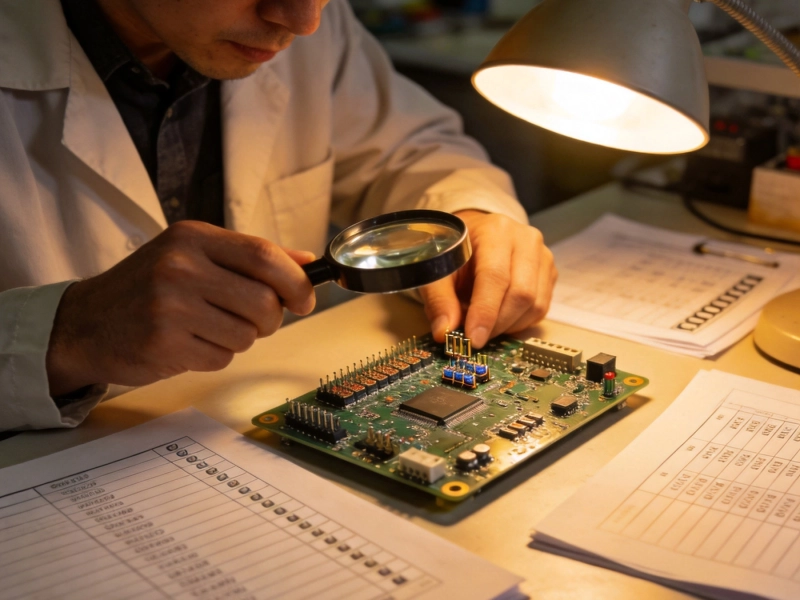
A Complete Checklist for Ordering Prototype PCB AssemblyOctober/10/2026
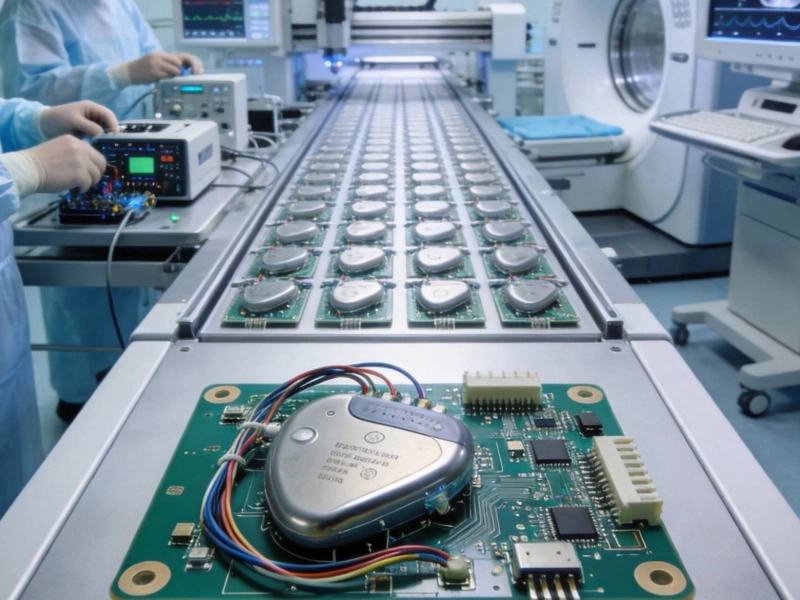
Why High-Reliability PCB Assembly is Critical for Medical DevicesJune/02/2026

Sustainability in PCBA: The Push for Green and Lead-Free ProcessesJuly/28/2026

The State of Global PCBA Manufacturing in 2026 and Key TakeawaysMay/22/2026