

Managing electronics Component Procurement and logistics presents challenges that grow exponentially with product complexity. Your design might include components from fifty manufacturers across fifteen countries, each with different lead times, minimum order quantities, and reliability requirements. Coordinating these moving parts consumes engineering bandwidth, strains supplier relationships, and introduces risks that threaten production schedules. Turnkey Pcb Assembly providers have built organizations specifically designed to manage these complexities, offering procurement and logistics services that transform Supply Chain Management from constant firefighting into predictable, professional operations.
The term "turnkey" reflects the comprehensive nature of these services. Rather than managing multiple suppliers for bare boards, components, assembly, and testing, you engage one partner responsible for the complete process. This consolidation simplifies your supply chain while transferring procurement complexity to specialists who make their living managing exactly these challenges. Understanding how turnkey providers approach Component Procurement and logistics helps you evaluate whether these services match your needs.
This guide explores the mechanisms through which turnkey providers streamline component procurement and logistics. We examine their supplier relationships, Inventory Management approaches, quality systems, and the technology infrastructure supporting their operations. Whether you're considering turnkey services or already working with turnkey partners, this information helps you understand what's happening behind the scenes—and how to maximize value from these relationships.

Electronics component markets operate with volatility that makes procurement planning difficult. Component shortages emerge突然ly as demand shifts or Manufacturing capacity changes. Lead times stretch from weeks to years for some parts. Counterfeit components infiltrate supply chains, creating reliability risks for unwary buyers. These market dynamics challenge even experienced procurement professionals, consuming time and attention that engineering teams should spend on product development rather than Supply Chain Management.
The global nature of Electronics Manufacturing complicates procurement further. Your design might combine components from Japanese capacitor manufacturers, Korean semiconductor suppliers, Taiwanese IC foundries, and domestic connectors. Each region presents different business practices, language barriers, and logistical challenges. Coordinating deliveries so all components arrive simultaneously at your assembly facility requires sophisticated logistics coordination that most companies lack internal resources to execute consistently.
Component obsolescence planning addresses the long-term challenges of extended product lifecycles. Automotive, industrial, and medical products often require ten or more years of production availability, but component lifetimes rarely match. Manufacturers discontinue parts constantly, creating obsolescence events that require qualification of replacement components. Managing this lifecycle requires proactive monitoring and planning that most design organizations struggle to maintain alongside their primary engineering responsibilities.
Turnkey providers invest heavily in supplier relationships because procurement capability defines their competitive position. They negotiate framework agreements with major distributors and manufacturers, securing volume pricing and allocation priority that individual customers cannot access alone. These collective purchasing arrangements translate into better component pricing and more reliable availability for turnkey customers.
Direct manufacturer relationships give turnkey providers deeper access to component markets. Major semiconductor companies allocate production capacity based on customer relationships; established turnkey partners receive preferential treatment when shortages occur. These relationships also provide early warning of discontinuation notices, giving turnkey providers time to plan obsolescence responses that customers working through distribution channels would never see.
Geographic proximity to Manufacturing hubs provides turnkey providers natural advantages in supplier access. Chinese turnkey providers operating in Shenzhen, Guangzhou, and surrounding regions sit in the heart of global Electronics Manufacturing. Component suppliers maintain substantial inventory in these regions specifically to serve manufacturing customers there. This proximity reduces lead times and provides flexibility that distant suppliers cannot match.
Successful turnkey providers maintain strategic inventory buffers for common components. Rather than sourcing every component against specific orders, they stock high-volume parts anticipating customer needs. When orders arrive, these pre-positioned components enable faster assembly starts than waiting for fresh component procurement. This inventory investment requires significant working capital but generates customer loyalty through responsiveness.
Demand forecasting drives intelligent inventory positioning. Turnkey providers analyze order patterns, market trends, and customer product roadmaps to anticipate component requirements. When they see demand increasing for specific components—perhaps driven by new product launches from their customers' competitors—they build inventory proactively. This forecasting capability differentiates professional turnkey operations from simple broker relationships.
Vendor-managed inventory programs extend turnkey services to customer facilities. Under VMI arrangements, turnkey providers monitor component consumption at customer sites and replenish inventory automatically. This approach ensures production continuity while eliminating customer procurement workload. The turnkey provider assumes inventory carrying cost but gains predictable order flow that supports their forecasting accuracy.
Counterfeit component prevention represents a critical quality function for turnkey providers. The electronics industry suffers from counterfeit components that pass Visual Inspection but fail prematurely in service. Turnkey providers implement supplier qualification processes, certificate of conformance verification, and incoming inspection procedures that reduce counterfeit risks. For customers with high reliability requirements, these counterfeit prevention measures provide essential protection.
Traceability systems track components from manufacturer through delivery to assembly. When quality issues surface, this traceability enables rapid identification of potentially affected products and component lots. Turnkey providers maintain detailed records matching component lot numbers to customer orders, supporting both problem investigation and customer recall requirements. This traceability infrastructure represents significant investment that individual companies often cannot justify.
Component authentication technologies provide additional counterfeit protection for critical applications. X-ray fluorescence verifies package markings against specifications. Decapsulation and die inspection confirms internal construction matches datasheet claims. Scanning acoustic microscopy reveals internal defects invisible to external inspection. These advanced verification capabilities distinguish turnkey providers serving aerospace, medical, and automotive markets from those focused on commercial electronics.
International logistics presents challenges that turnkey providers navigate daily. Shipping components across oceans involves customs regulations, import documentation, and transportation delays that require professional management. Turnkey providers have customs brokers, freight forwarders, and logistics expertise built into their operations. Their experience with these processes avoids delays that would disrupt customer production schedules.
Component consolidation services reduce shipping complexity. Rather than receiving fifty separate shipments from fifty suppliers, customers can arrange for turnkey providers to consolidate components into fewer shipments. This consolidation reduces customs clearance overhead, shipping costs, and receiving workload. The turnkey provider's facility becomes a staging point where components are verified, organized, and shipped as complete kits to assembly operations.
Expedited shipping capabilities address urgent requirements when standard lead times cannot meet customer needs. When unexpected orders arrive or production problems create urgent component requirements, turnkey providers can access expedited production slots at component manufacturers and accelerated shipping options. These emergency capabilities come at premium cost but provide insurance against production interruptions that would cost far more.
Turnkey procurement extends beyond simple component ordering to design-stage collaboration. Experienced turnkey providers review customer designs for component availability, suggesting alternatives when selected parts present supply risks. This design-stage engagement prevents problems that would surface during production, when component changes become expensive and time-consuming. The best turnkey relationships begin during schematic design, not after layout completion.
Design For Manufacturing review identifies components that create assembly challenges. Some parts require specialized handling, have minimum quantity requirements that create waste, or present thermal profiles incompatible with standard assembly processes. Turnkey providers share this manufacturing knowledge during design, enabling informed component tradeoffs that balance performance requirements against manufacturing realities.
Library development creates component databases that accelerate future projects. Turnkey providers build libraries of verified components with manufacturer part numbers, datasheets, land patterns, and sourcing information. When engineers start new designs, they can select from pre-qualified components with known availability and pricing. This library approach reduces design time while ensuring new products inherit the supply chain advantages of previous designs.
Volume purchasing delivers cost advantages that individual companies cannot achieve independently. Turnkey providers aggregate demand across their customer base, combining purchasing power that secures pricing unavailable to smaller buyers. These volume discounts often exceed the margin turnkey services add, meaning customers can receive procurement services while paying less than they would managing purchasing independently.
Lead time optimization reduces inventory carrying costs. When turnkey providers can predict component requirements reliably, they negotiate longer lead-time contracts that secure better pricing. These longer lead times require customers to plan further ahead, but the cost savings often justify the additional planning effort. Turnkey providers help customers develop the planning discipline that enables these cost optimizations.
Component substitution analysis identifies cost reduction opportunities. When multiple manufacturers produce equivalent components, turnkey providers can recommend substitutions that reduce cost without performance sacrifice. These opportunities emerge regularly as market conditions change; turnkey providers continuously monitor for substitutions that benefit their customers. This ongoing optimization represents ongoing value that one-time procurement transactions cannot provide.
Supply chain risk management has become critical as component markets demonstrate increasing volatility. Geopolitical tensions, natural disasters, and pandemic-related disruptions have exposed supply chain vulnerabilities that previously went unconsidered. Turnkey providers spread this risk across diverse supplier relationships, geographic regions, and manufacturing capacity. Their scale provides resilience that individual companies cannot build independently.
Buffer inventory strategies protect against supply disruptions. Turnkey providers maintain safety stock for critical components, providing cushion when unexpected demand spikes or supply shortages occur. This inventory investment transfers risk from customers to turnkey providers, who price this risk transfer into their service fees. For customers unwilling or unable to manage supply risk independently, this risk transfer provides valuable peace of mind.
Alternative sourcing programs ensure component availability despite disruptions. When primary suppliers face problems, turnkey providers activate secondary sources that maintain supply continuity. These alternative sources might provide identical parts, qualified equivalents, or engineering adaptations that minimize disruption. Building and maintaining these alternative relationships requires ongoing investment that turnkey providers amortize across their customer base.
Real-time visibility into procurement status transforms customer relationships. Modern turnkey providers offer web-based portals showing order status, inventory levels, and delivery tracking. Customers access this information without contacting turnkey representatives, reducing coordination overhead while improving information availability. These portals represent significant technology investments that smaller procurement organizations cannot justify.
Proactive communication alerts customers to potential problems before they disrupt production. When turnkey providers learn of component shortages, discontinuation notices, or shipping delays, they communicate immediately rather than waiting for customers to discover issues. This proactive approach enables customers to plan responses while options remain available, rather than scrambling to address problems after they materialize.
Performance reporting provides visibility into procurement effectiveness. Turnkey providers can deliver metrics showing on-time delivery rates, quality performance, cost trends, and supplier lead times. These metrics help customers evaluate turnkey performance objectively while identifying opportunities for improvement. The data infrastructure supporting these reports requires investment that turnkey providers amortize across their customer base.
Turnkey providers vary significantly in capability, capacity, and service quality. Evaluate potential partners against criteria matching your specific requirements. Component categories you use frequently should be strengths for your turnkey partner. Geographic presence matters if your assembly operations cluster in specific regions. Quality certifications indicate systematic processes, but customer references reveal actual performance.
Technology infrastructure differentiates professional turnkey operations from brokers. Ask about their ERP systems, component databases, traceability systems, and customer portal capabilities. Professional infrastructure enables the service levels that sophisticated procurement demands. Providers unable to demonstrate modern systems likely lack the operational capability their marketing claims.
Financial stability ensures long-term partnership viability. Turnkey procurement involves substantial working capital commitment; financially weak providers may fail, disrupting your supply chain at inconvenient times. Review financial indicators before committing to relationships that require significant turnkey inventory investment. The lowest-cost provider may prove most expensive if they cannot sustain operations.
Turnkey providers streamline component procurement and logistics through professional organizations purpose-built for these challenges. Their supplier networks, inventory strategies, quality systems, and logistics capabilities deliver value that most companies cannot replicate independently. The decision to engage turnkey services trades procurement complexity for service fees—usually a favorable trade-off when turnkey providers have relevant expertise.
Maximizing value from turnkey relationships requires treating them as strategic partnerships rather than transactional vendor relationships. Share product roadmaps so turnkey providers can plan component positioning. Engage them early in design to benefit from their manufacturing knowledge. Provide feedback that helps them improve service to your organization. These collaborative behaviors unlock value that transactional procurement cannot access.
As electronics supply chains grow more complex, turnkey procurement services become increasingly valuable. Companies that master these relationships gain competitive advantages through lower costs, reduced supply chain risk, and faster design cycles. Understanding how turnkey providers work empowers you to evaluate, select, and develop these relationships effectively. The investment in turnkey partnership development pays returns throughout your product lifecycle.

Accelerating Time-to-Market with One-Stop PCB Assembly SolutionsJuly/07/2026

Scaling from 10 Prototypes to 10,000 Units: A Turnkey PCBA Success StoryJuly/24/2026
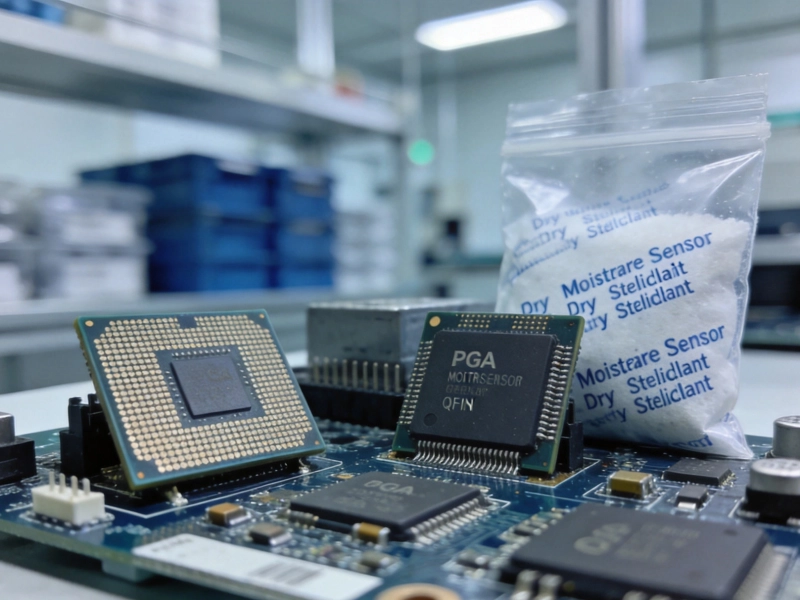
Managing Moisture Sensitivity Levels (MSL) for BGA and QFN PackagesAugust/15/2026
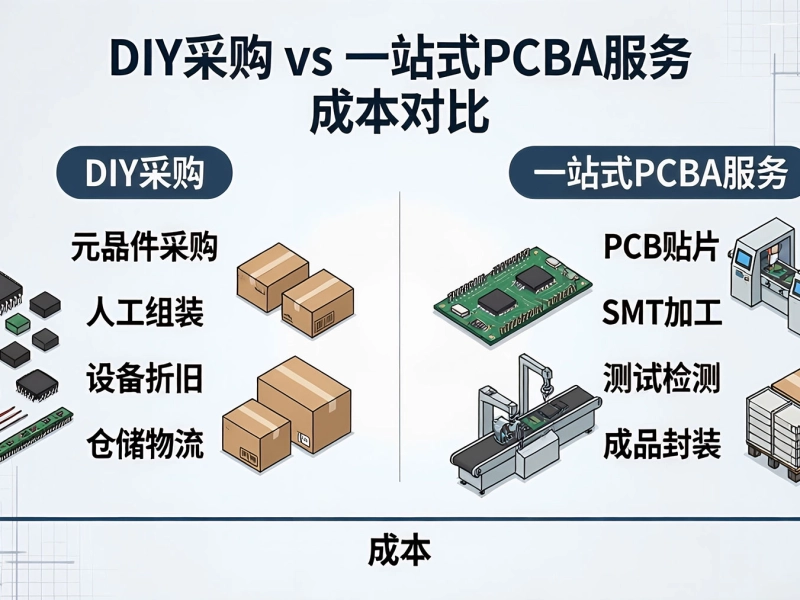
The Hidden Costs of DIY Sourcing vs. Turnkey PCBA ServicesJune/08/2026

What to Look for in a Reliable Turnkey PCB Assembly PartnerAugust/03/2026

Risk Mitigation: How Turnkey Services Handle Obsolete ComponentsJuly/16/2026
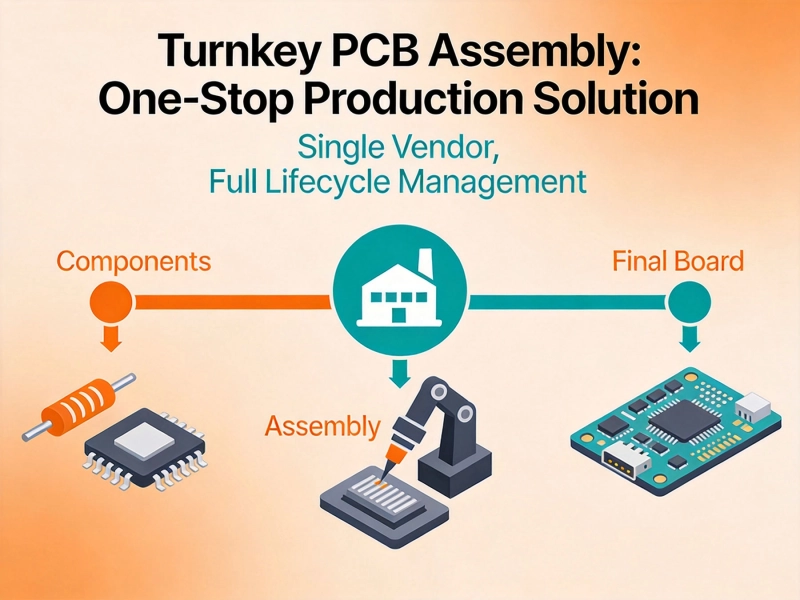
Why Choose Turnkey PCB Assembly for Your Next Product Launch?May/22/2026

Customer Success Stories: Real Projects Delivered by Our TeamJuly/17/2026