

Component obsolescence ranks among the most disruptive forces in Electronics Manufacturing. A semiconductor that ships freely today might disappear from distributor inventories within months, leaving manufacturers scrambling to redesign products or source increasingly scarce parts at escalating prices. For startups and established companies alike, managing component lifecycle risk determines whether products reach market successfully or stall due to parts unavailability. Turnkey Pcb Assembly services have developed sophisticated approaches to navigate this challenge, transforming obsolescence from an existential threat into a manageable operational issue.

Component obsolescence has accelerated dramatically in recent years. Semiconductor manufacturers continuously optimize their product portfolios, retiring older process nodes and consolidating Manufacturing into newer facilities. What once seemed like stable, long-life components now face unpredictable end-of-life timelines driven by market dynamics far beyond your control.
Conventional component management—ordering parts as needed from authorized distributors—no longer suffices for products requiring multi-year support windows. Distributor inventories fluctuate based on demand from all customers, creating sudden availability gaps when demand spikes or manufacturers allocate limited supply to preferred customers.
Internal component libraries and approved parts databases ossify quickly. Design teams specify components that were available six months prior without visibility into lifecycle status. Purchasing departments then discover these parts have reached end-of-life or minimum order quantities exceed project requirements.
The consequences cascade throughout organizations. Engineering teams must perform redesigns under schedule pressure. Purchasing sources increasingly unreliable substitutes or pays premium prices for scarce parts. Assembly lines wait for long-lead components while inventory of other parts accumulates. These disruptions multiply costs and extend timelines in ways that spreadsheet-based planning cannot anticipate.
Turnkey Assembly providers operate across numerous customer programs and maintain relationships with dozens of component manufacturers and distributors. This breadth creates visibility and capabilities that individual companies cannot economically replicate.
Turnkey services track component lifecycle status across thousands of part numbers simultaneously. Automated systems monitor manufacturer announcements, distributor inventory levels, and industry publications to identify components approaching end-of-life before they create emergencies. This proactive surveillance catches the majority of obsolescence risks while alternatives remain available.
Services maintain proprietary databases tracking historical availability patterns, price trends, and substitute performance. When a component shows declining availability, these databases immediately surface relevant alternatives that engineering teams have previously validated or flagged as acceptable substitutes.
Rather than reacting to obsolescence announcements, turnkey services integrate lifecycle planning into program onboarding. New projects receive component audits identifying high-risk parts based on manufacturer health indicators. This assessment informs design decisions early—when alternatives are easiest to incorporate—rather than during production when changes become expensive.
Programs with extended support requirements receive explicit obsolescence roadmaps. These documents outline component lifecycles, anticipated change triggers, and recommended timing for proactive redesigns. Customers understand their risk exposure and can plan accordingly rather than discovering problems when boards arrive with Missing Components.
Stockpiling components creates its own challenges, but strategic inventory provides crucial risk mitigation when managed professionally.
Turnkey services analyze component risk profiles to determine appropriate safety stock levels. High-risk parts with limited lifecycles or volatile demand receive higher buffer levels than stable components with multiple qualified sources. This risk-based approach balances inventory carrying costs against shortage costs without over-capitalizing low-risk items.
Statistical models incorporating demand variability, supplier lead times, and service level requirements inform buffer calculations. These models run continuously, adjusting recommendations as actual demand patterns diverge from forecasts. The approach achieves higher service levels than static safety stock policies while minimizing overall inventory investment.
Turnkey services offer component banking where customers purchase and store components for future assembly. The service manages inventory rotation, environmental controls, and tracking systems ensuring components remain production-ready. Banking eliminates customer concern about component shelf life while providing flexibility to draw down inventory as orders arrive.
Some banking programs extend to proactive purchasing when lifecycle indicators suggest impending discontinuation. Services identify components approaching end-of-life and notify customers, offering to purchase remaining available supply before distribution inventories deplete. This advance purchasing locks in pricing and availability at known quantities.
When primary components become unavailable, turnkey services deploy systematic approaches to finding alternatives that minimize redesign requirements.
Established turnkey providers maintain comprehensive cross-reference databases mapping components to functional equivalents. These databases include manufacturer interchange data, distributor cross-references, and internally validated substitutes from previous programs. Searching these resources frequently surfaces drop-in replacements that require no schematic or layout changes.
Cross-references include performance equivalency assessments distinguishing true functional equivalents from parts merely sharing package dimensions. A physically identical part might have different electrical characteristics requiring circuit modifications. Quality references capture these nuances, pointing engineers toward alternatives that truly match requirements.
Turnkey services maintain relationships with authorized distribution channels for new production components while also accessing broker networks for hard-to-find parts. This dual-channel approach maximizes sourcing options when availability tightens.
Authorized sources provide traceability, warranty protection, and confidence in Component Authenticity. Broker sources offer availability for discontinued parts but carry counterfeiting risks requiring careful verification. Turnkey services implement screening procedures—Visual Inspection, date code verification, functional testing—to ensure broker-sourced parts meet quality requirements.
Long-term program health requires second-sourcing as a standard practice rather than reactive response to shortages. Turnkey services assist with second-source qualification, identifying alternatives, arranging samples, and validating performance equivalence.
Qualification processes include electrical testing, thermal characterization, and long-term reliability assessment. Services coordinate with testing laboratories and leverage existing qualification data to accelerate approval timelines. Programs with qualified second sources weather component shortages with minimal disruption.
Beyond reactive obsolescence management, turnkey services increasingly influence upstream design decisions that prevent lifecycle problems.
Turnkey services develop design guidelines based on observed component availability patterns. These guidelines steer designers toward components with multiple manufacturers, longer documented lifecycles, and robust distribution support. Following these guidelines doesn't guarantee immunity from obsolescence but reduces frequency and severity of problems.
Guidelines address both component selection and circuit architecture. Modular designs isolating function blocks enable piece-part replacement when specific components become unavailable. Avoidance of highly specialized or proprietary parts reduces exposure to single-source risks.
Thoughtful design practices anticipate substitution requirements. Socketed components provide immediate flexibility to swap parts without soldering. Consistent pinouts across component families enables drop-in replacements. Daughtercard architectures isolate function blocks that might require updates independently.
Turnkey services review designs for substitution readiness during engineering review. Recommendations address package selection, footprint standardization, and circuit architecture that supports component flexibility. These early interventions reduce redesign frequency and magnitude when obsolescence eventually strikes.
Products with multi-year support requirements face compounding obsolescence challenges as multiple components reach end-of-life across the product lifecycle.
Lifetime buys—purchasing all anticipated component requirements at end-of-life—eliminate future sourcing risk but require accurate demand forecasting. Turnkey services help estimate total program volumes based on historical production data, customer forecasts, and support requirements.
Services coordinate lifetime buys across multiple customers when demand overlaps, enabling larger purchases that justify manufacturer attention and potentially better pricing. Pooling requirements across programs reduces per-unit lifetime buy costs while ensuring individual programs have adequate component supply.
Manufacturer last-time-buy notices trigger immediate action requirements. Turnkey services monitor for these announcements and communicate urgency to affected customers, coordinating rapid response when manufacturers limit order windows or announce imminent discontinuation.
Managing last-time buys across large component portfolios requires sophisticated tracking and prioritization. Services maintain systems identifying which components face imminent end-of-life, how much inventory customers currently hold, and what quantities require purchase to cover anticipated demand. This coordination prevents overspending on components with adequate supply while ensuring critical parts receive necessary attention.
Obsolescence management carries real costs that must be balanced against benefits.
Buffer stocks and lifetime buys tie up capital in inventory that might sit unused. Carrying costs include storage facilities, insurance, taxes, and opportunity cost of capital. Services help customers optimize inventory levels to balance these costs against shortage risks.
For high-value components, carrying costs can exceed the premium paid for scarce parts. Analysis tools compare total costs of ownership across inventory strategies, identifying optimal approaches for specific program profiles and risk tolerances.
When component substitution requires design changes, engineering investment becomes necessary. Turnkey services provide design services enabling rapid redesign incorporating alternative components. These services must be weighed against redesign costs and schedule impacts.
Modular architectures enabling piece-part replacement reduce redesign scope compared to monolithic designs requiring comprehensive revalidation. Early investment in flexible architectures pays dividends throughout product lifecycles as component changes inevitably arrive.
Component obsolescence presents genuine challenges but manageable ones with appropriate processes and partner relationships. Turnkey Pcb Assembly services provide capabilities that transform reactive firefighting into systematic lifecycle management.
The most effective approach combines proactive planning with responsive execution. Monitor component health indicators early, incorporate substitution-ready design practices, maintain strategic buffer stocks for critical components, and establish relationships with providers who have scale advantages in sourcing hard-to-find parts.
When evaluating turnkey partners, assess their obsolescence management capabilities alongside Manufacturing competencies. Ask about lifecycle monitoring systems, cross-reference databases, and component banking programs. Understanding their approach to obsolescence reveals much about their operational maturity and commitment to long-term customer success.
Products succeed when component availability aligns with manufacturing schedules and customer demand. Turnkey services that invest in obsolescence management deliver more reliable program outcomes than those treating sourcing as purely transactional. Choose partners whose lifecycle management capabilities match your product requirements and support expectations.
The Electronics Supply Chain will continue evolving with increasing obsolescence frequency and complexity. Companies establishing robust component lifecycle practices today build resilience for future challenges. Partner with turnkey services that share your commitment to long-term program success.

Scaling from 10 Prototypes to 10,000 Units: A Turnkey PCBA Success StoryJuly/24/2026
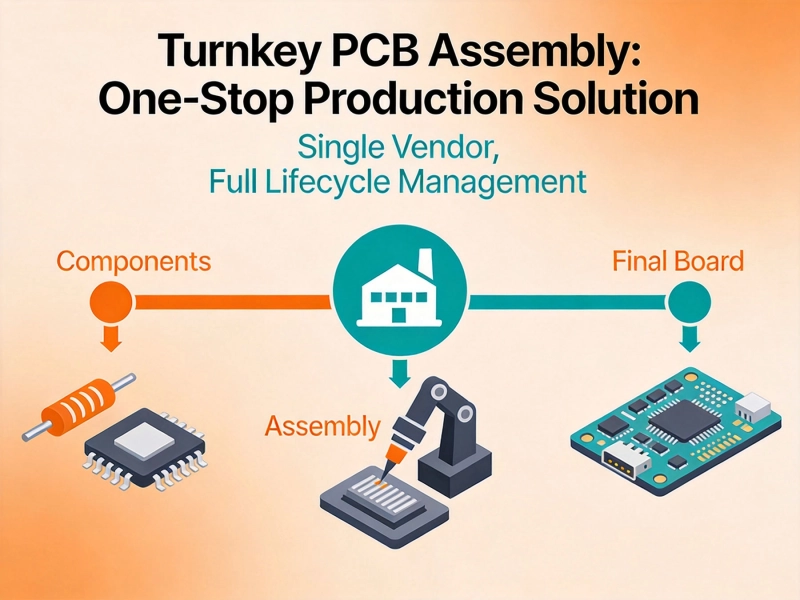
Why Choose Turnkey PCB Assembly for Your Next Product Launch?May/22/2026

What to Look for in a Reliable Turnkey PCB Assembly PartnerAugust/03/2026
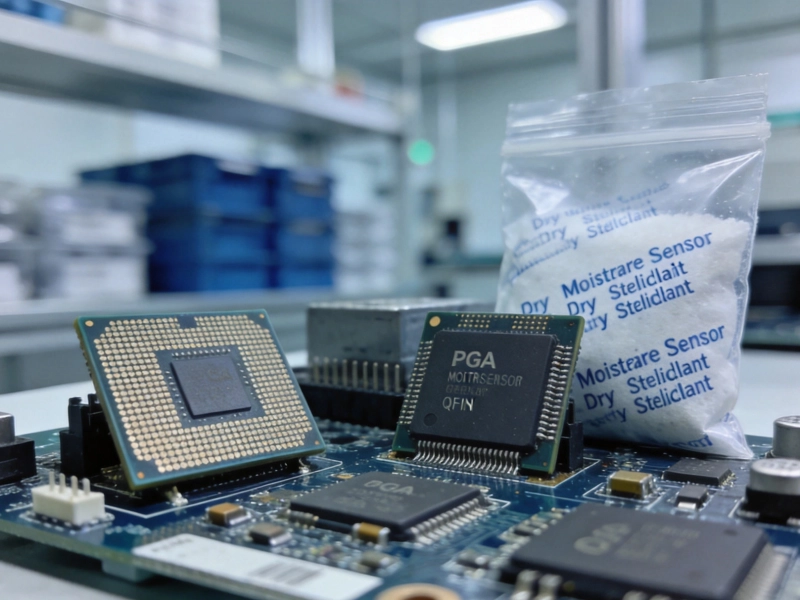
Managing Moisture Sensitivity Levels (MSL) for BGA and QFN PackagesAugust/15/2026

How Turnkey Providers Streamline Component Procurement and LogisticsJune/18/2026

Accelerating Time-to-Market with One-Stop PCB Assembly SolutionsJuly/07/2026
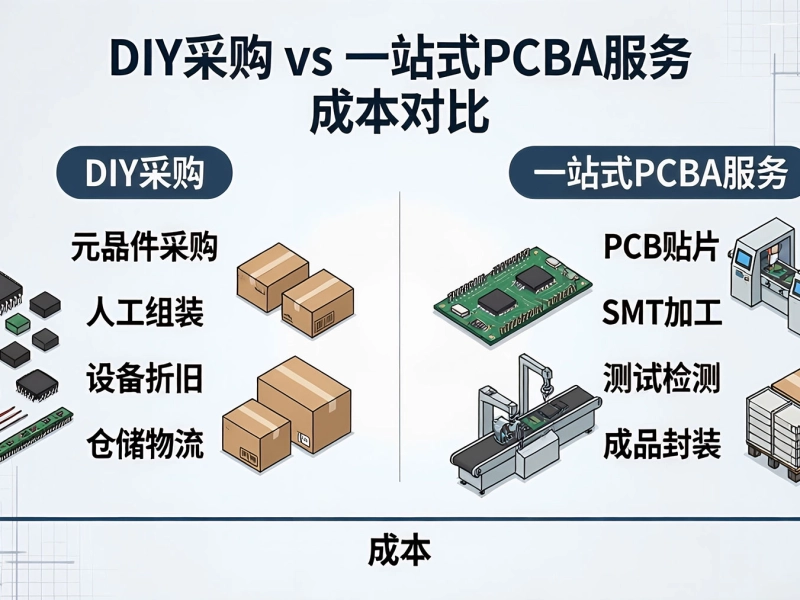
The Hidden Costs of DIY Sourcing vs. Turnkey PCBA ServicesJune/08/2026

Thermal Relief Design: Balancing Heat Dissipation and SolderabilityJuly/23/2026