Open Nav


Finding the right Turnkey PCB Assembly partner can make the difference between successful product launches and costly production problems. When you outsource assembly to a contract manufacturer, you are essentially extending your team—their capabilities become your capabilities, their quality systems become your quality systems, and their supply chain risks become your supply chain risks. Making the right partner selection requires looking beyond pricing quotes to evaluate technical competence, quality systems, communication practices, and operational maturity. Companies that invest time in thorough partner evaluation consistently report better production outcomes, fewer supply chain disruptions, and stronger competitive positioning in their markets.

Price quotes often dominate initial discussions with potential contract manufacturers, yet unit costs represent only one dimension of total production cost. Hidden costs from poor quality, delivery delays, communication gaps, and supply chain disruptions can easily consume any savings from the lowest bid. A partner who delivers 5 percent higher yields and eliminates three weeks of annual production downtime provides greater economic value than a supplier whose per-unit price is 10 percent lower but creates constant operational headaches.
The selection process establishes expectations that govern the entire relationship. Clear discussions about quality requirements, service level expectations, and communication protocols prevent misunderstandings that damage trust when production issues inevitably arise. Documenting expectations in written agreements creates accountability and provides reference points when disputes occur. Taking the time to select thoughtfully pays dividends throughout the partnership life cycle.
Your products determine the technology capabilities your assembly partner must possess. High-mix low-volume manufacturers require different process capabilities than high-volume consumer electronics producers. Evaluate whether potential partners have experience with your specific component types—fine-pitch BGAs, 0201 or 01005 passives, chip-scale packages, or exotic technologies like ceramic components or connectors with unusual plating requirements. Ask about yield data for assemblies similar to yours, particularly for components that historically create assembly challenges.
Process capability documentation provides objective evidence of technical competence. Manufacturers with mature quality systems track Cp and Cpk indices for critical processes like placement accuracy and Solder Paste Deposition. A partner who can demonstrate process capability indices above 1.33 for critical dimensions has statistically controlled processes that deliver consistent results. Request process capability data for processes relevant to your technology rather than accepting vague assurances about quality.
Manufacturing equipment age, capability, and maintenance practices directly affect Assembly Quality. Modern Smt Placement equipment handles fine-pitch components more reliably than older machines, and advanced reflow ovens provide better Temperature Profile control than basic convection ovens. When evaluating facilities, ask about equipment ages, preventive maintenance schedules, and backup equipment availability that prevents production stoppages from equipment failures.
Test infrastructure matters as well. Functional test capabilities, flying probe testers, and Boundary Scan support should match your verification requirements. Complex assemblies requiring in-circuit test or comprehensive functional verification need partners with established test development capabilities, not just production equipment. Ask to see test fixtures and test plans for products similar to yours to assess test engineering maturity.
Quality certifications provide baseline evidence that a manufacturer has established quality systems, but not all certifications carry equal weight. ISO 9001 represents a minimum baseline for any serious manufacturer, but industry-specific certifications like Iatf 16949 for automotive, AS9100 for aerospace, or Iso 13485 for medical devices demonstrate deeper commitment to specialized requirements. When evaluating certifications, verify that the scope of certification covers the processes and technologies relevant to your products rather than just general Manufacturing activities.
Certification alone does not guarantee quality performance. Request quality metrics like first-pass yield, defect rates, and customer returns data to understand actual performance versus certification promises. A manufacturer with lower-tier certifications but superior quality metrics provides better value than one with comprehensive certifications but mediocre performance. Ask about quality trend data over time—improving trends indicate commitment to continuous improvement, while declining trends signal underlying problems.
Quality systems that support component traceability protect your products from counterfeit components and enable root cause analysis when failures occur. Ask about lot traceability procedures—can the manufacturer trace each component on an assembled board back to its purchase lot and date? How long do they maintain traceability records? For regulated industries, this capability becomes mandatory rather than optional, requiring documented processes that auditors can verify.
Documentation practices reveal quality system maturity. Do they provide assembly process instructions for each product? Can they produce manufacturing records on demand? Do they maintain revision control for process documents and work instructions? A manufacturer who treats documentation as an afterthought rather than a core quality tool likely applies similar inconsistency to production operations.
Turnkey Assembly requires robust Component Sourcing capabilities. Evaluate your potential partner's relationships with authorized distributors and direct component suppliers. Manufacturers with established purchasing volume secure better pricing and allocation priority during component shortages. Ask about their preferred distributor relationships and whether they have direct purchasing agreements with component manufacturers for critical parts.
Counterfeit component protection requires deliberate supplier management. Ask about their incoming inspection procedures for high-risk components, their use of authorized channels exclusively, and their response to suspected counterfeit components. The best partners maintain white lists of approved suppliers and black lists of questionable sources, implementing purchasing controls that prevent unauthorized procurement.
Effective Inventory Management balances availability against carrying costs. Ask whether your potential partner implements vendor-managed inventory programs, consignment arrangements, or kanban pull systems that optimize inventory levels. Partners who offer flexible inventory models can adapt to your specific cash flow and storage constraints while maintaining component availability.
Obsolescence management capability demonstrates forward-looking supply chain thinking. Ask how they monitor component end-of-life notices, how they communicate upcoming obsolescence to customers, and whether they offer last-time buy coordination services. The best partners proactively recommend component alternatives before obsolescence creates production problems, transforming supplier management from transactional purchasing into strategic partnership.
Communication quality often differentiates good partners from great ones. Evaluate responsiveness during the selection process itself—do they return emails promptly? Do they provide detailed answers or vague generalities? Do they proactively identify issues or wait for you to discover problems? The communication patterns you observe during courtship typically reflect ongoing relationship dynamics once production begins.
Define communication protocols before production starts. Agree on reporting frequency, escalation paths for problems, and primary contact points for different issue types. Establish expectations for lead time communication—how quickly will they notify you of schedule slippages or component shortages? Written communication protocols prevent misunderstandings and provide reference when expectations diverge.
Engineering capabilities extend beyond assembly operations. Your assembly partner should provide design for manufacturability feedback that catches potential issues before they create production problems. Ask about their DFM review process—do they have engineers who analyze designs for manufacturability, or do production staff identify issues only after production starts? Early DFM feedback prevents costly design iterations and production delays.
Project management infrastructure matters for complex products with multiple development iterations. Ask whether they assign dedicated program managers or rely on production supervisors to manage customer relationships. Dedicated program management typically provides better communication continuity and issue tracking than production-focused alternatives.
Unit price quotes obscure the complete cost picture. Engage potential partners in discussions about their cost structure to understand what drives pricing differences. Ask about NRE charges, tooling costs, setup fees, and minimum order quantities that affect total cost for your production volumes. Understanding cost drivers enables meaningful cost optimization rather than simple price shopping.
Volume pricing structure matters for products with ramping production curves. Ask about volume break points and whether they offer incremental pricing that matches your production growth trajectory. Partners who commit to volume discount schedules based on projected annual volumes provide predictable cost models that support financial planning.
Design changes during production create cost and schedule impacts. Ask about change order policies—what constitutes a change that incurs additional charges, and how are those charges calculated? Clear change order policies prevent surprises when engineering iterations occur. Some partners absorb minor changes within pricing frameworks while others charge for every modification, so understanding expectations prevents disputes.
Geographic location affects communication effectiveness, logistics costs, and Supply Chain Resilience. Domestic partners offer easier communication and faster shipping but typically carry higher labor costs. Offshore partners provide cost advantages but introduce communication challenges, longer logistics chains, and increased supply complexity. Many companies find optimal balance through nearshore locations that offer moderate cost savings with manageable communication overhead.
Time zone alignment matters for urgent issues. When production problems occur, real-time communication with engineers can prevent days of lost production. If your operations span multiple time zones, consider whether potential partners provide 24-hour support or whether communication windows remain limited to business hours in one location.
Shipping capabilities affect delivery reliability and cost. Ask about preferred shipping carriers, standard lead times, and expedite options. Partners with established relationships with major logistics providers typically achieve better pricing and more reliable delivery than those using ad-hoc shipping arrangements.
Export and import expertise matters for international relationships. Ask whether your potential partner handles export documentation, customs clearance, and import compliance on your behalf. Partners who provide these services simplify international trade and prevent customs-related delays that disrupt production schedules.
How long should the partner selection process take?
A thorough partner selection process typically takes 4 to 8 weeks for complex requirements, though simpler situations might conclude in 2 to 3 weeks. This timeframe allows for capability assessment, facility visits, reference calls, and detailed negotiations. Rushing the process to meet immediate production needs increases selection risk—when possible, invest adequate time for proper evaluation.
Should I visit potential partner facilities?
Facility visits provide valuable insights into operational maturity and culture. Walk the production floor observing organization, equipment condition, and operator practices. Talk with production staff about quality challenges and their process improvement suggestions. However, recognize that facilities present their best face during visits—combine observations with objective quality metrics and customer references for complete assessment.
How many partners should I evaluate before selecting?
Most companies evaluate 3 to 5 qualified candidates before making a selection. This range provides sufficient comparison to understand capability differences without creating evaluation fatigue. Start with a broader pool of 8 to 10 potential partners, then narrow based on initial screening of capabilities and geographic fit before investing in detailed evaluation of the most promising candidates.
What contract terms should I prioritize?
Priority contract terms depend on your specific concerns, but typically include quality specifications, delivery performance metrics, liability limitations, and termination provisions. Quality specifications should reference specific standards and include quantified Acceptance Criteria. Delivery metrics should include on-time delivery definitions, penalty provisions for late shipments, and expedite options. Liability limitations should address intellectual property protection and confidentiality obligations.
When should I consider switching partners?
Consider partner changes when fundamental trust breaks down—consistent quality failures that never improve, chronic communication problems, or repeated ethical concerns. However, recognize that switching partners incurs transition costs and learning curve impacts. Document issues thoroughly and attempt resolution through formal escalation before terminating relationships. The cost of switching often exceeds the cost of working through problems with established partners who demonstrate improvement willingness.
Selecting a reliable Turnkey PCB Assembly partner requires evaluating multiple dimensions beyond simple price comparison. Technical capability, quality systems maturity, supply chain competence, communication effectiveness, and transparent cost structures all contribute to partnership success. Companies that take a systematic approach to partner evaluation—assessing capabilities, verifying claims with objective data, and establishing clear expectations—build relationships that deliver sustained value over the product life cycle.
The investment in thorough partner selection pays returns through improved production yields, reduced supply chain disruptions, and stronger competitive positioning. Your assembly partner becomes an extension of your manufacturing capability—choose carefully, invest in the relationship, and recognize that the best partnerships evolve through continuous improvement and mutual commitment to success.

Risk Mitigation: How Turnkey Services Handle Obsolete ComponentsJuly/16/2026
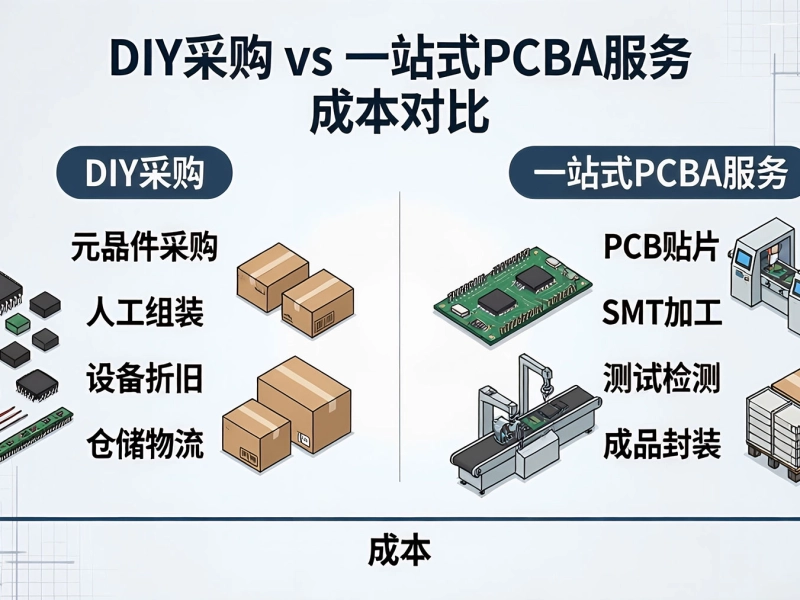
The Hidden Costs of DIY Sourcing vs. Turnkey PCBA ServicesJune/08/2026

Scaling from 10 Prototypes to 10,000 Units: A Turnkey PCBA Success StoryJuly/24/2026

The Role of Supply Chain Management in Successful Turnkey ProjectsSeptember/10/2026
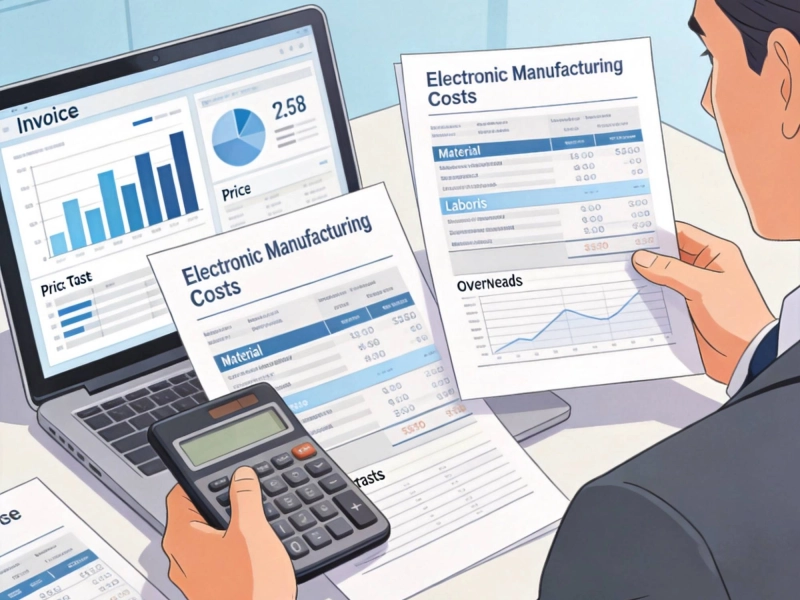
Transparent Pricing: Breaking Down the Quote for Turnkey AssemblySeptember/16/2026
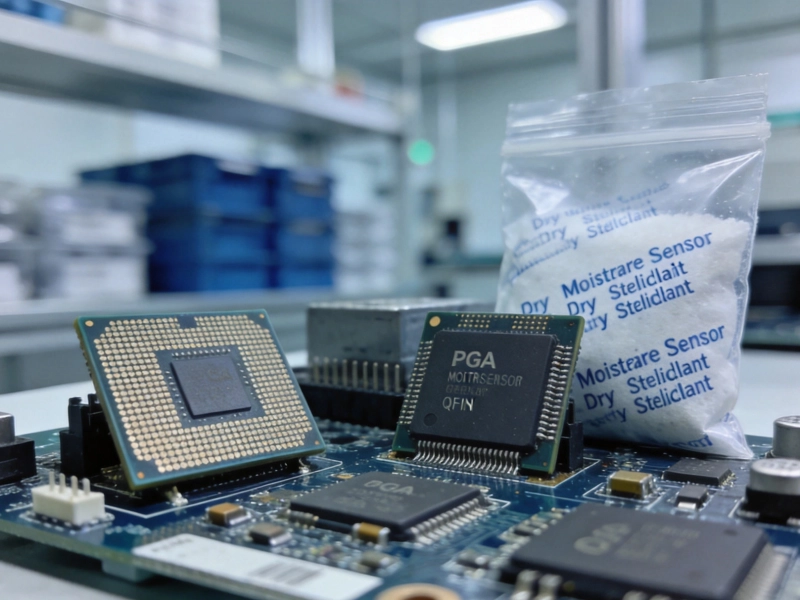
Managing Moisture Sensitivity Levels (MSL) for BGA and QFN PackagesAugust/15/2026

How Turnkey Providers Streamline Component Procurement and LogisticsJune/18/2026
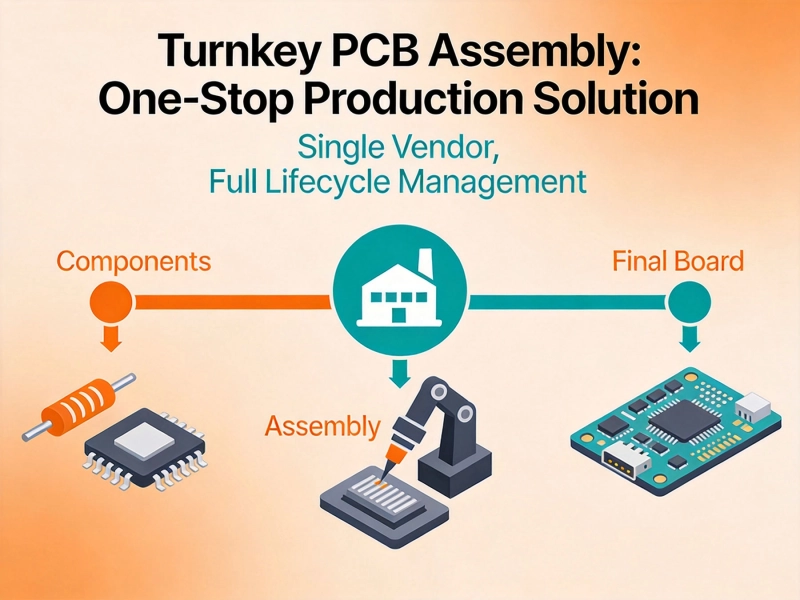
Why Choose Turnkey PCB Assembly for Your Next Product Launch?May/22/2026