Open Nav


For most of the past three decades, the sentence "the world's electronics are built in China" has been so consistently true as to feel almost unremarkable. But the global pcb assembly ecosystem in 2026 is more dynamic and contested than at any point in that history. Supply Chain disruptions, geopolitical tensions, regionalization mandates, and rapid domestic technology advancement have reshaped the landscape in ways that make simple characterizations increasingly inaccurate. China remains the dominant player by volume, but the nature of its role is evolving — and companies making sourcing decisions in 2026 need to understand what that evolution actually looks like on the ground.
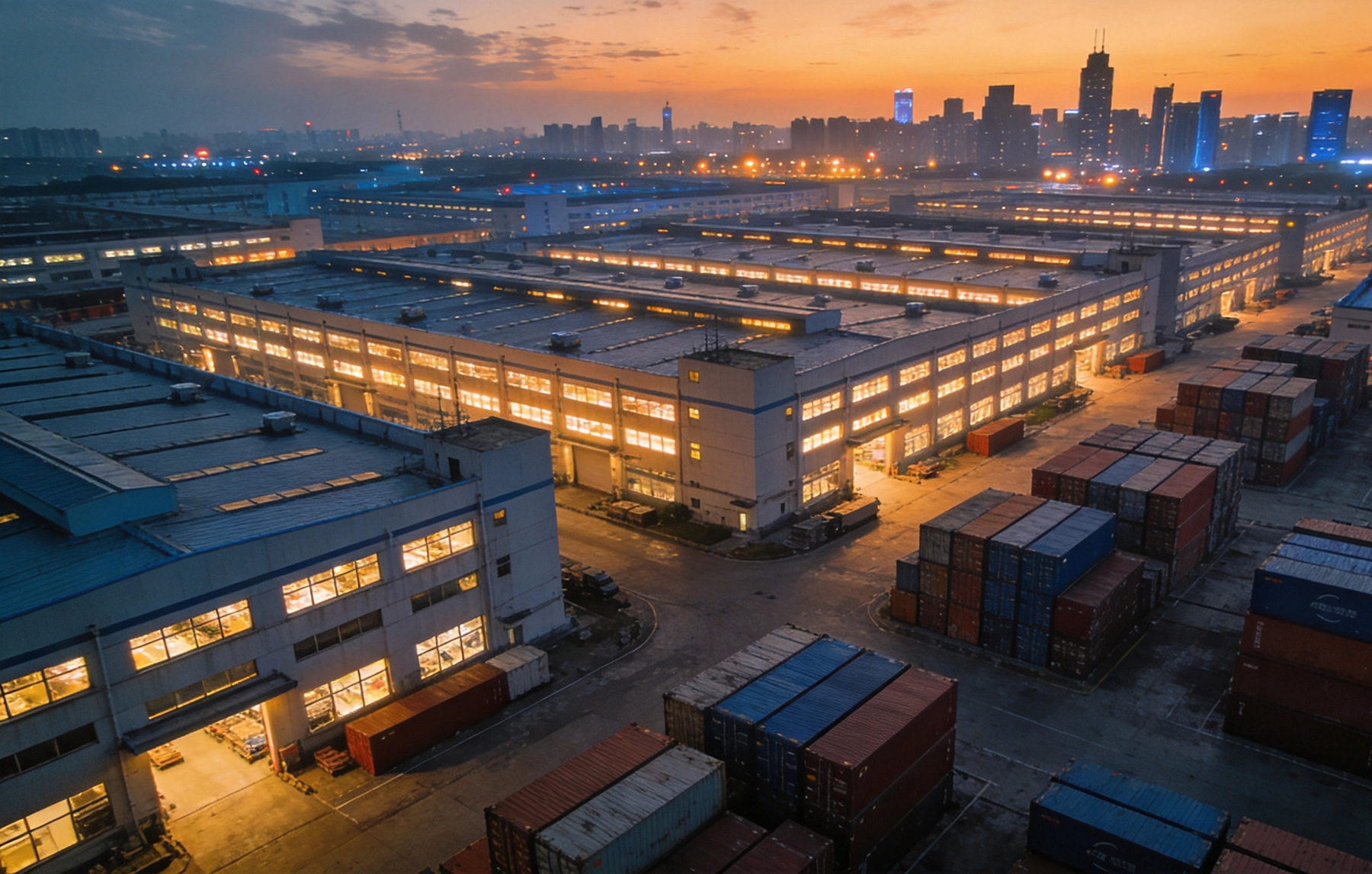
China accounts for roughly 55 to 60 percent of global Pcb Production by value, according to industry aggregations from Prismark and NTI surveys. The country hosts the largest installed base of Smt Assembly lines in the world, concentrated in Manufacturing hubs across Guangdong Province — Shenzhen, Dongguan, Guangzhou — as well as in the Yangtze River Delta around Shanghai, Suzhou, and Wuxi, and increasingly in second-tier cities in Hubei, Jiangxi, and Sichuan provinces where labor and land costs remain lower.
This is not merely a story of cheap labor. Chinese contract manufacturers have invested heavily in automation over the past decade, and many facilities now operate SMT lines with levels of automation comparable to — and in some cases exceeding — what is found in North American or European plants. The combination of scale, supplier density, and Manufacturing ecosystem depth means that Chinese plants can produce a full Bill Of Materials for a complex assembly faster and more cost-effectively than almost any alternative geography, for most product categories.
The tariff escalation between the United States and China that began in 2018 and intensified through subsequent trade policy cycles has had a measurable effect on sourcing geography, though less dramatic than early predictions suggested. The concept of "China Plus One" — diversifying supply chains into Vietnam, Thailand, India, or Mexico — has become standard procurement doctrine, but execution has been uneven.
Vietnam and Thailand have absorbed significant investment in assembly capacity, particularly for consumer electronics products with relatively straightforward Bill Of Materials. Both countries now host major facilities operated by Samsung, Foxconn, and other contract manufacturers who have relocated capacity from China. However, the full ecosystem — component distributors, specialty chemical suppliers, precision tooling shops — that makes Chinese manufacturing so efficient does not exist in these alternative geographies. A pcb assembly operation in Vietnam still sources most of its components, substrates, and consumables from China or through Chinese distribution networks.
India has attracted significant investment in Electronics Manufacturing under government incentive programs, with Apple iPhone production in particular shifting meaningfully to Indian facilities operated by Foxconn and Tata Electronics. But India's share of global Pcb Assembly remains small, constrained by infrastructure gaps, workforce skill shortages in precision assembly, and an immature component distribution ecosystem.
The net result in 2026 is a global Supply Chain that is more diversified than in 2018, but where China remains the dominant hub — not just as a manufacturing location, but as the source of the intermediate inputs that make alternative geographies function at all.
One of the most significant shifts in China's Pcb Assembly ecosystem over the past five years has been the rapid upgrading of technical capabilities at domestic manufacturers. Chinese Pcb fabricators now produce HDI boards, flexible circuits, and multilayer boards at quality levels that compete directly with Japanese, Taiwanese, and South Korean competitors. In assembly, the most capable Chinese CMs offer AOI, X-ray inspection, flying probe testing, ICT, FCT, and burn-in services that meet or exceed the standards of most international customers.
This advancement has been driven partly by domestic demand from Chinese brands — Huawei, Xiaomi, BYD, DJI — that require increasingly sophisticated manufacturing capabilities, and partly by the availability of imported equipment (ASM Pacific, Universal Robots, Nordson) that has lowered the barrier to deploying advanced process technology. The labor force has similarly upgraded: the generation of engineers who trained abroad or alongside multinational operations in the 2000s and 2010s now holds senior positions in domestic facilities, bringing process discipline and quality awareness that was less common a decade ago.
For international buyers, this means that the quality gap that historically justified sourcing high-specification work in Japan or Germany while reserving China for simpler assembly has narrowed considerably. Many sophisticated medical, automotive, and Industrial Electronics that were once exclusively produced in higher-cost geographies are now being produced in China by capable domestic CMs at substantially lower cost.
The Pearl River Delta — centered on Shenzhen — remains the world's most concentrated Electronics Manufacturing hub. Its advantages go beyond sheer facility count: the supply chain density means that a CM in Shenzhen can source virtually any component, material, or service within hours rather than days. The ecosystem effect is self-reinforcing: more suppliers attract more buyers, which attracts more suppliers.
The Yangtze River Delta, anchored by Shanghai and extending through Suzhou, Wuxi, and Hangzhou, has evolved into a center for higher-complexity assembly, particularly for Automotive Electronics, industrial controls, and precision medical devices. The concentration of multinational operations in this region has raised quality standards and made it easier for international buyers to find facilities that meet their process documentation and audit requirements.
Western China — Chongqing, Chengdu, Xian — has emerged as a significant hub for large-scale consumer Electronics Assembly, attracted by lower labor costs and government investment in infrastructure. Foxconn, HP, and Dell all operate major assembly facilities in this region for products where the supply chain can be centralized rather than distributed.
China's dominance in electric vehicle manufacturing has created a new and rapidly growing demand for power Electronics Assembly — battery management systems, onboard chargers, motor inverters, DC-DC converters. This has driven investment in heavy copper PCB Fabrication, press-fit technology, bus bar integration, and assembly processes for high-voltage systems that require specialized manufacturing capabilities.
The automotive and industrial sectors have also driven demand for higher reliability standards in Chinese assembly. Iatf 16949-certified facilities are now common among tier-one Chinese CMs serving the automotive supply chain. AS9100 and NADCAP accreditation can be found in facilities targeting aerospace customers. The domestic regulatory environment has tightened as well, with China's CCC certification requirements imposing quality controls that in some cases exceed what is required in Western markets.
The political dimension of sourcing from China cannot be wished away in 2026. The use of manufactured products from certain Chinese entities by military end users — a concern particularly acute in the semiconductor and advanced computing space — has led to export control regulations in the United States, European Union, and other jurisdictions that affect certain product categories. Companies in sectors subject to these controls need to conduct rigorous supply chain due diligence and may face requirements to certify the origin and end use of their sourced assemblies.
For the majority of commercial electronics — industrial equipment, consumer devices, medical products not subject to defense export controls — the practical risk profile for sourcing from China in 2026 is similar to what it has been for the past decade: manageable through standard contractual protections, IP safeguards, and audit rights. The key is to conduct supply chain mapping that identifies the specific CM, their sub-suppliers for critical components, and the logistics pathways to ensure traceability.
One factor that is often underappreciated in Western analyses of China's manufacturing ecosystem is the sheer size and sophistication of the domestic Chinese electronics market. Chinese consumers and businesses purchase hundreds of millions of smartphones, electric vehicles, industrial robots, and computing devices annually, creating a domestic demand that sustains manufacturing scale independent of export markets. This domestic demand provides Chinese manufacturers with production volume, learning curve benefits, and revenue stability that buffer against fluctuations in export demand.
Chinese brands that started as assemblers of imported technology have in many cases become leaders in their categories. BYD is now one of the world's largest EV manufacturers. DJI dominates the civilian drone market globally. Huawei has rebuilt significant portions of its product portfolio around domestically produced components following the export control restrictions imposed on the company. This evolution from assembler to innovator has raised the technical bar for the entire Chinese manufacturing ecosystem.
The most likely trajectory for China's role in the global Pcb assembly ecosystem through the remainder of the decade is one of continued dominance in volume terms, with a gradual shift in the composition of what is assembled. Higher-complexity, higher-reliability products will continue to move toward Chinese facilities as their quality credentials become more established. Simpler, labor-intensive assembly will continue to migrate toward lower-cost Southeast Asian alternatives, but at a pace constrained by ecosystem gaps.
The geopolitical headwinds are real and will continue to shape sourcing decisions for companies in regulated industries or those with sensitive end-use applications. But for the broad middle of the market — commercial and Industrial Electronics — China will remain the default sourcing geography for most product categories, valued for its combination of scale, speed, supply chain depth, and increasingly sophisticated technical capabilities.
The practical implication for procurement managers and hardware engineers is straightforward: China expertise is not optional. The ability to identify capable partners, conduct effective technical communication across cultural and language barriers, and manage Quality Assurance processes remotely is now a core competency for electronics companies regardless of where their headquarters are located. The manufacturers that build this capability will continue to benefit from one of the most efficient supply chains in the world.
China's role in the global PCB assembly ecosystem in 2026 is defined by scale, sophistication, and increasing complexity. The country remains the world's manufacturing center for electronics by a wide margin, but the nature of that role is changing: higher-value work is moving in, lower-complexity work is moving out, and the technical capabilities of domestic manufacturers are advancing faster than most international buyers realize. Geopolitical risk is real but manageable for most commercial applications. Companies that invest in building China sourcing competency — the ability to vet partners, manage quality, and navigate the cultural and logistical dimensions of the relationship — will continue to find it one of the highest-return strategic investments in their supply chain.
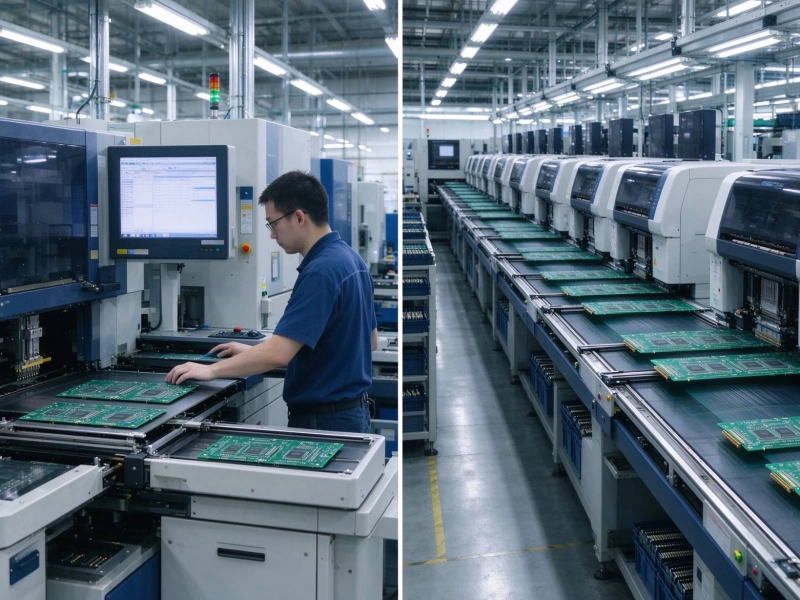
The Difference Between Quick Turn PCB Assembly and Standard ProductionOctober/16/2026
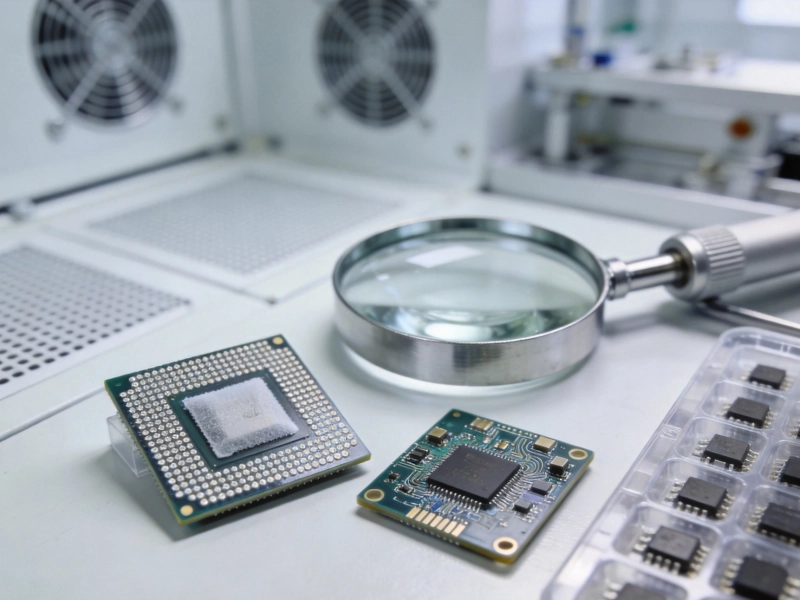
Managing Moisture Sensitivity Levels (MSL) for BGA and QFN PackagesAugust/10/2026
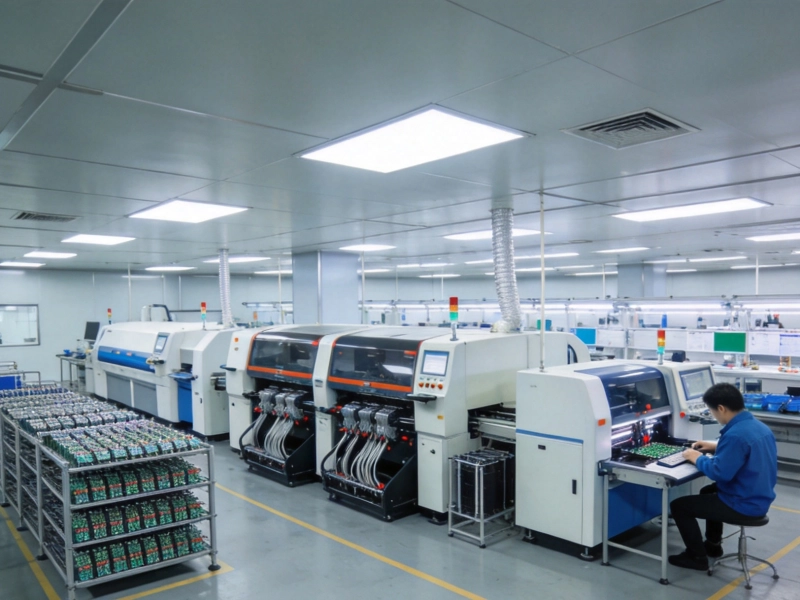
What is Turnkey PCB Assembly? A Beginner's GuideSeptember/23/2026

How to Read an IPC-A-610 Standard for Electronic AssembliesSeptember/08/2026
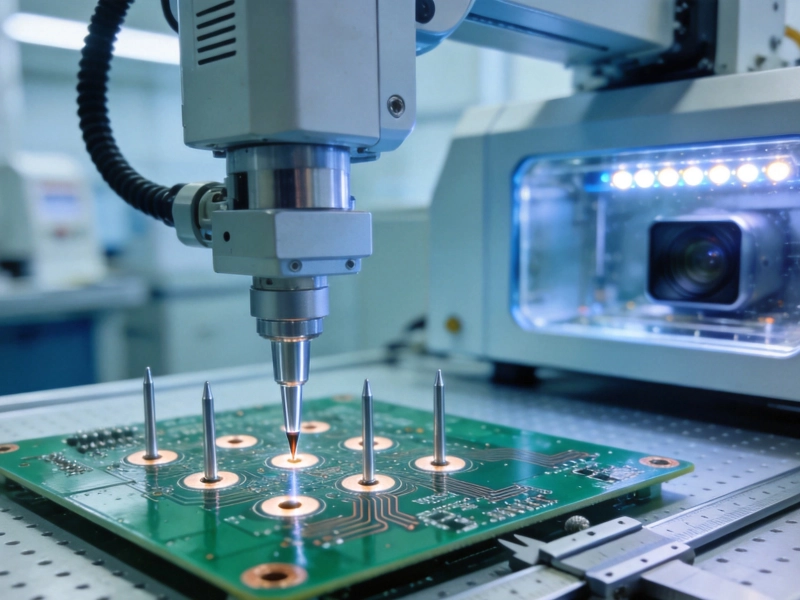
Designing for Testability (DFT): Placing Test Points for ICT and FCTJuly/31/2026
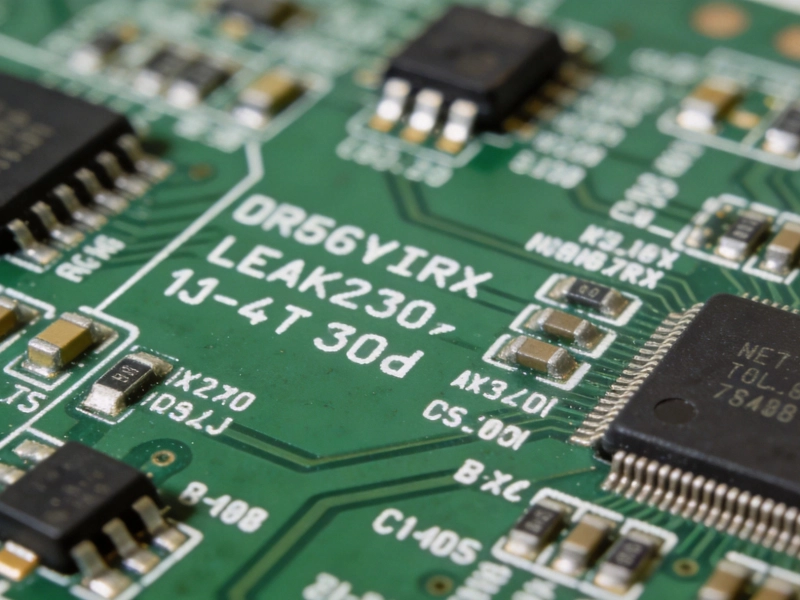
Silk Screen Best Practices: Improving Readability and Assembly EfficiencySeptember/15/2026

Thermal Relief Design: Balancing Heat Dissipation and SolderabilityJuly/23/2026
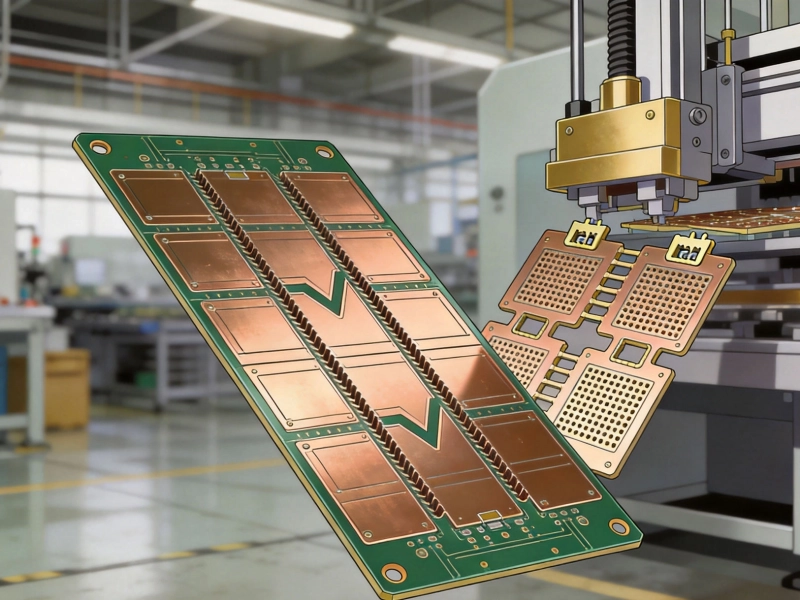
Panelization Strategies: V-Scoring vs. Tab Routing for Efficient DepanelingJuly/07/2026