Open Nav


Qualifying a new pcb assembly services provider has always required rigorous evaluation of quality systems, process controls, and Manufacturing capabilities. For many teams, travel constraints, cost pressures, and global Supply Chain complexity have made traditional on-site audits increasingly challenging to execute. Fortunately, remote audits have emerged as a viable, cost-effective alternative that can deliver equivalent or even better visibility into supplier capabilities when executed with a structured approach. With the right preparation and execution, remote audits can identify risks, validate quality practices, and build confidence in your Supply Chain without requiring in-person visits.
Remote pcb assembly audits are not simply a video call with a facility tour. They require careful planning, clear communication of expectations, and a systematic review of documentation, processes, and performance data. When done properly, these audits can uncover the same risks and opportunities for improvement as on-site audits, while reducing costs, shortening qualification timelines, and enabling more frequent supplier evaluations. This article outlines a step-by-step framework for executing effective remote audits of Pcb Assembly providers, covering preparation, core audit areas, execution best practices, and how to translate findings into actionable decisions.

The success of any remote audit depends heavily on preparation before the actual audit takes place. Rushing into a remote audit without clear expectations or requested documentation will waste time for both your team and the supplier, and will likely miss critical risks that a more structured approach would catch.
Start by clearly defining the audit scope and objectives. Are you auditing for general capability, qualification for a specific product line, or follow-up on previous quality issues? Different audit objectives will focus on different areas: a medical device qualification audit will emphasize traceability and regulatory compliance, while an automotive audit will focus on Iatf 16949 compliance and process control. Sharing these objectives with the supplier upfront ensures they understand what will be evaluated and can prepare the appropriate documentation and personnel.
Request core documentation well in advance of the audit. Standard documentation to request includes: valid Quality Management system certificates (ISO 9001, Iatf 16949, Iso 13485 as applicable), last 12 months of quality performance data including first-pass yield, defect rates, and corrective action records, process standard operating procedures for all core assembly steps, equipment calibration records, component traceability policies, employee training records, and recent internal or third-party audit reports. Require digital copies of these documents to be submitted at least three business days before the audit so your team can review them and identify gaps or areas requiring deeper investigation during the live audit.
Establish clear logistics for the live audit portion. Confirm the meeting platform, test connectivity beforehand, identify who from the supplier team will participate (including quality managers, process engineers, and production supervisors), and share a detailed agenda with time allocated for each audit area. Request that the supplier have a high-resolution mobile device available for live facility tours, with the ability to zoom in on equipment, process steps, and documentation as needed.
A comprehensive remote Pcb Assembly audit covers the same core areas as an on-site audit, with adjustments for remote access. Focus on these six key domains to get a complete picture of the supplier's capabilities and performance.
Begin the audit by validating the effectiveness of the supplier's Quality Management system, as this forms the foundation for all other processes. Verify that quality certifications are current and in scope for the type of assembly you require. Review recent non-conformity reports to understand how the supplier identifies quality issues, implements corrective actions, and verifies that those actions prevent recurrence. Look for evidence of systematic issues like repeated failures of the same type, which indicate weak process controls.
Evaluate continuous improvement practices by reviewing data on yield improvements, defect rate reductions, and process optimization initiatives over the last 12 months. Suppliers with mature quality systems will have clear records of improvement projects and their impact on quality performance. Avoid suppliers who cannot demonstrate structured continuous improvement, as this indicates a reactive rather than proactive approach to quality.
Assess customer feedback management processes by reviewing records of customer complaints and how they were resolved. Look for evidence that customer feedback drives process changes, rather than being handled as one-off issues. This demonstrates whether the supplier prioritizes customer satisfaction and continuous learning.
The consistency and rigor of Manufacturing process controls directly determine Assembly Quality. During the remote audit, review standard operating procedures for every step of the assembly process: incoming material inspection, Solder Paste stencil preparation, pick-and-place programming, reflow profiling, selective soldering where applicable, cleaning, and inspection. Verify that SOPs are detailed, up-to-date, and accessible to production staff.
Request recent production records for similar assemblies to yours, including reflow profile logs, stencil alignment verification records, and pick-and-place programming checklists. These records demonstrate whether processes are followed consistently across production runs, or whether each job is handled on an ad-hoc basis. Pay special attention to change control processes: how does the supplier handle engineering changes, and are changes documented, tested, and communicated effectively?
During the live facility tour, observe key process steps in real time if possible. Watch a stencil changeover, reflow oven loading, or Aoi Inspection to verify that operators follow documented procedures. Ask operators to explain their process steps to confirm they understand and follow SOPs, rather than relying on tribal knowledge.
Component-related issues are responsible for more than half of all Pcb Assembly Quality problems, making Supply Chain Management a critical audit area. Evaluate the supplier's Component Sourcing policies, including approved supplier lists and supplier qualification processes. Verify that they have formal processes for verifying Component Authenticity and preventing counterfeit parts from entering production, especially for military, aerospace, or medical applications where counterfeit components create significant safety risks.
Review component traceability systems to confirm the supplier can trace every component on an assembly back to its original manufacturer lot number. Ask for examples of traceability records for recent production runs to verify that the system works as documented. This capability is critical for managing field failures and potential recalls, especially for regulated industries.
Evaluate obsolescence management practices to understand how the supplier handles end-of-life components. A mature supplier will proactively notify customers of component obsolescence and recommend qualified alternatives before parts become unavailable. This prevents unexpected production delays when components are discontinued.
Inspection and testing processes catch defects before assemblies leave the facility, making them a critical part of Quality Control. Evaluate the supplier's inspection capabilities, including Automated Optical Inspection, X-ray inspection for Bga and fine-pitch components, in-circuit testing, and functional testing capabilities. Verify that inspection equipment is calibrated regularly by reviewing calibration records, and that calibration schedules meet industry standards.
Review inspection coverage for typical assemblies: what percentage of components are inspected, and what defect types are targeted? Ask for defect escape rate data, which measures how many defective assemblies leave the factory despite inspection processes. Lower escape rates indicate more effective inspection strategies.
Evaluate test development capabilities if you require custom functional testing for your assemblies. Verify that the supplier has experience developing test procedures and fixtures for products similar to yours, and review examples of test documentation for past projects. This ensures they can develop and implement effective testing for your specific product requirements.
Electrostatic discharge and environmental control are often overlooked but critical factors in assembly reliability. During the live facility tour, verify that ESD control measures are implemented throughout the production area: ESD flooring, wrist straps and heel straps for personnel, ESD-safe work surfaces, and regular ESD testing of personnel and equipment. Ask to see recent ESD audit records to confirm these measures are enforced consistently.
Check environmental controls for temperature and humidity in production and storage areas. Excessive humidity can cause solderability issues, while extreme temperature fluctuations affect process consistency. Review environmental monitoring logs to confirm conditions are maintained within acceptable ranges year-round.
Verify proper storage conditions for components, including moisture-sensitive device storage cabinets with controlled humidity. Improper storage of moisture-sensitive components leads to solder joint defects and long-term reliability issues. During the virtual tour, ask to see component storage areas and confirm that MSD handling procedures are followed.
Full traceability and secure record retention are required for most regulated industries and critical for managing any product issues that arise after delivery. Confirm that the supplier maintains complete records for every production run, including component lot numbers, production process records, inspection results, and shipping records. Verify record retention periods meet your industry's regulatory requirements, which typically range from 7 to 15 years for medical, automotive, and aerospace applications.
Ask how records are stored and protected from loss or damage. Cloud-based or off-site backup of records ensures they remain accessible even if the facility experiences a disaster. This is particularly important for long-running product lines where you may need to access production records years after the original manufacturing date.
The live audit portion of the remote evaluation is your opportunity to verify that documented processes are actually implemented in practice, rather than existing only on paper. Following these best practices ensures you get an accurate picture of the supplier's operations.
Start the live audit with a kickoff meeting with all relevant supplier personnel to review the agenda, confirm objectives, and address any initial questions. This sets a collaborative tone for the audit and ensures everyone understands what will be covered.
For the virtual facility tour, request a first-person perspective from someone walking through the facility, rather than a pre-recorded video. This allows you to ask to stop at specific areas, zoom in on equipment or documentation, and ask questions of operators and supervisors in real time. Ask to see not just the pristine demonstration areas but also less visible areas like component storage, rework stations, and Quality Control labs to get a complete picture of operations.
Conduct structured interviews with key personnel including the quality manager, process engineer, and production supervisor. Ask specific questions about their roles, process details, and how they handle common issues. Their answers will reveal whether processes are well understood and consistently followed, or whether documentation exists only for audit purposes.
Request to see recent production records and inspection reports for assemblies similar to yours, and cross-reference these with quality performance data provided earlier. Look for inconsistencies between reported data and actual records, which may indicate inaccurate reporting or data manipulation.
End the audit with a closing meeting to summarize preliminary findings, clarify any open questions, and agree on timelines for addressing any identified issues. This ensures both parties leave the audit with a clear understanding of next steps.
After the audit is complete, compile and analyze all findings to make an informed qualification decision. Categorize findings by severity: critical non-conformities that create immediate quality or safety risks, major non-conformities that indicate systematic process weaknesses, and minor non-conformities that represent isolated opportunities for improvement.
Critical non-conformities like missing certifications, no counterfeit mitigation processes, or lack of traceability should disqualify a supplier immediately unless they can be resolved quickly with verifiable corrective action. Major non-conformities require a formal corrective action plan with timelines for implementation and verification, before the supplier can be qualified. Minor non-conformities can typically be addressed over time as part of continuous improvement efforts.
For suppliers you decide to qualify, establish clear performance metrics to monitor ongoing performance, including first-pass yield, on-time delivery rate, defect escape rate, and corrective action response time. Schedule regular follow-up audits (typically annually or semi-annually for critical suppliers) to verify continued compliance with quality requirements.
For suppliers you decide not to qualify, provide clear feedback on the reasons for the decision. This helps suppliers improve their capabilities, and leaves the door open for future collaboration if they address the identified gaps.
Remote audits have unique challenges that can reduce their effectiveness if not addressed proactively. Being aware of these common pitfalls helps you avoid them.
Don't rely exclusively on self-reported data without independent verification. Always cross-reference reported performance metrics against actual production records and inspection reports during the audit. Suppliers may present optimistic performance data that does not reflect actual day-to-day operations.
Avoid rushing the audit process to meet arbitrary deadlines. A thorough remote audit typically requires 4 to 8 hours of live time plus pre- and post-audit documentation review. Skimping on audit time increases the risk of missing critical issues that will create problems later.
Don't neglect to involve technical experts in the audit process. Quality auditors alone may not have the technical expertise to evaluate process controls, inspection capabilities, or Design For Manufacturing feedback. Include process engineers or manufacturing specialists on your audit team to ask relevant technical questions and evaluate process details correctly.
Don't ignore red flags like missing documentation, evasive answers to questions, or reluctance to show specific areas of the facility during the virtual tour. These are often indicators of larger underlying issues that the supplier is trying to hide. Follow up on all red flags with additional questions and requests for evidence before making a qualification decision.
Remote audits are a powerful tool for evaluating Pcb assembly services providers, offering significant cost and time savings compared to traditional on-site audits while delivering equivalent or even better visibility into supplier capabilities when executed with a structured approach. By investing time in thorough preparation, systematically evaluating core quality and process areas, following live audit best practices, and rigorously analyzing findings, you can qualify suppliers confidently without requiring in-person visits.
The most effective remote audits are collaborative rather than adversarial, building transparency and trust between you and your supplier. When approached as an opportunity to identify improvement opportunities and build a stronger supply chain rather than a pass/fail inspection, remote audits can strengthen supplier relationships and drive continuous quality improvements for both parties.
As global supply chains continue to evolve and remote work becomes more common, remote auditing capabilities will become an increasingly critical competency for procurement and quality teams. Building your team's expertise in remote audit processes now positions you to build more resilient, cost-effective supply chains that can adapt to changing business requirements.
Contact us to discuss your requirements and explore how structured Remote Supplier Audit processes can support your Pcb assembly supplier qualification efforts.
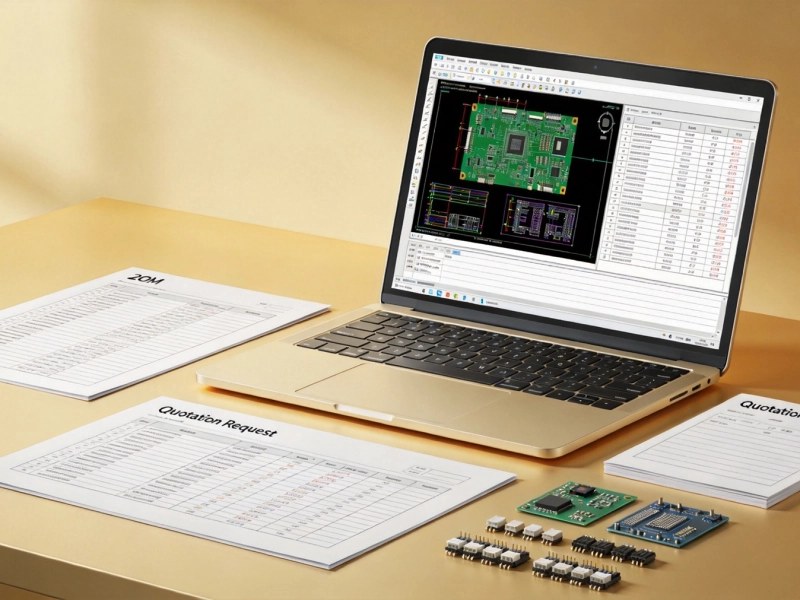
Requesting a Quote: A Step-by-Step Walkthrough for New ClientsSeptember/17/2026

Frequently Asked Questions About Our PCB Assembly ProcessJuly/25/2026
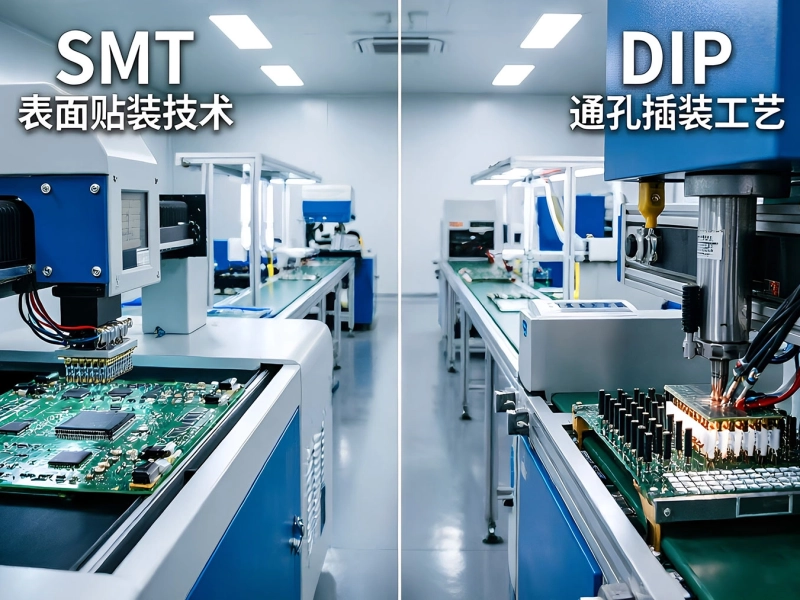
Comprehensive Guide to Our SMT and DIP CapabilitiesJune/09/2026

What to Expect from PCB Assembly Shenzhen SuppliersOctober/14/2026

PCB Assembly Services vs. In-House Production: Which Is Better?October/29/2026
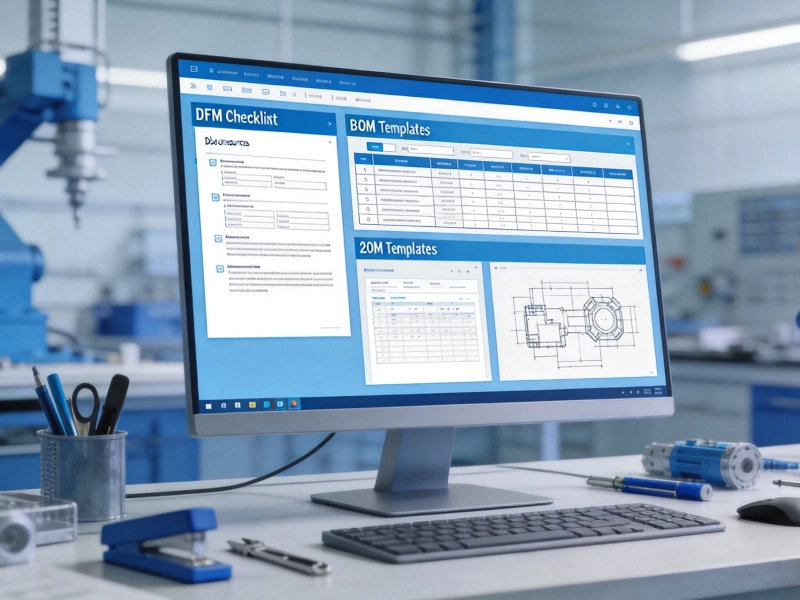
Downloadable Resources: DFM Checklists and BOM TemplatesAugust/03/2026

Customer Success Stories: Real Projects Delivered by Our TeamJuly/17/2026
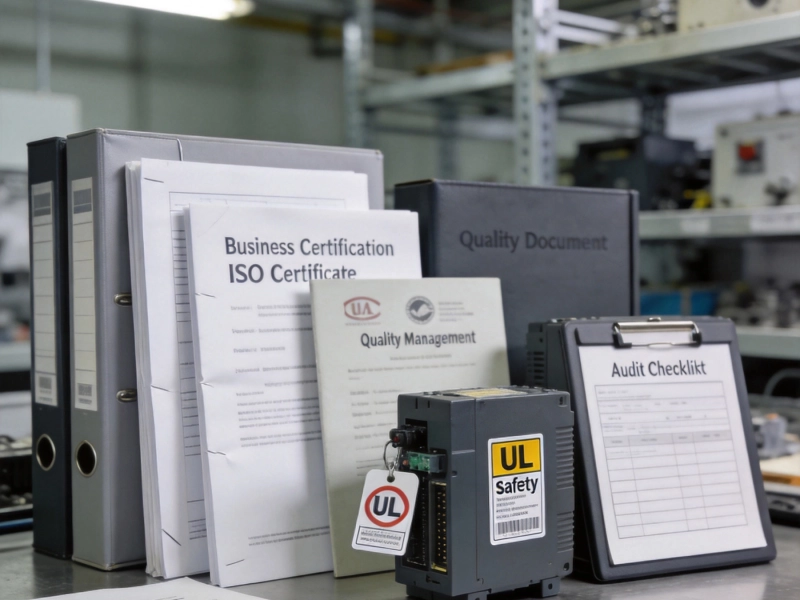
Certifications That Matter: ISO, IATF, and UL Compliance ExplainedSeptember/11/2026