Printed Circuit Board (Pcb) assembly is one of the most critical stages in electronics product development. The quality, reliability, and cost-effectiveness of your final product depend heavily on the pcb assembly services partner you select. Choosing the wrong provider can lead to delayed launches, defective products, unexpected costs, and lost market opportunities. Whether you are developing a prototype for a new startup product, scaling a consumer electronics line, or Manufacturing industrial equipment, finding the right assembly partner requires careful evaluation of multiple factors beyond just pricing.

1. First: Define Your Project Requirements Clearly
Before you start evaluating potential pcb assembly services, you must have a clear understanding of your project's unique needs. This clarity will help you narrow down providers that specialize in your type of project and avoid wasting time on companies that cannot meet your requirements.
Key Project Specifications to Outline:
- Production Volume: Are you building 5 prototype units, 500 small-batch units, or 50,000 mass production units? Many providers specialize in either low-volume prototype assembly or high-volume mass production, while some offer full turnkey services for all volumes.
- Technical Complexity: Note special requirements such as fine-pitch components (0201, 01005 packages), Bga (Ball Grid Array) components, high-speed Pcb designs, RF (Radio Frequency) capabilities, flexible PCBs, rigid-flex PCBs, or specialized material requirements (high-temperature, high-frequency substrates).
- Industry Compliance Needs: Different industries have specific certification requirements: medical devices need Iso 13485 compliance, Automotive Electronics require Iatf 16949, aerospace products need AS9100, and consumer electronics may need RoHS, REACH, or FCC certification.
- Timeline Requirements: Define your expected lead times for prototypes, initial production runs, and ongoing mass production. Some providers offer expedited assembly services for urgent projects, typically at a premium cost.
- Testing Requirements: Do you need in-circuit testing (ICT), functional testing (FCT), flying probe testing, X-ray inspection for Bga components, or burn-in testing? Not all providers offer in-house testing services.
2. Evaluate Core Manufacturing Capabilities
Once you have defined your project requirements, assess each potential provider's technical capabilities to ensure they can handle your specific assembly needs.
Manufacturing Capacity and Equipment
Verify that the provider has the necessary equipment to assemble your design:
- SMT (Surface Mount Technology) lines with sufficient placement accuracy for your smallest components
- THT (Through-Hole Technology) assembly capabilities if your design includes through-hole components
- Support for the maximum number of PCB layers your design requires (common options range from 2 layers to 32+ layers)
- Minimum order quantity (MOQ) requirements that align with your production volume needs
Quality Control Processes
Quality should be your top priority when selecting Pcb Assembly services. Look for providers with robust Quality Management systems:
- Adherence to industry standards such as Ipc-a-610 (acceptability of electronic assemblies) and J-STD-001 (soldering requirements)
- In-house inspection capabilities including Automated Optical Inspection (AOI), X-ray inspection for hidden solder joints (critical for BGA and Qfn packages), and functional testing options
- Documented Quality Control processes at every stage of assembly, from incoming component inspection to final product testing
- Valid industry certifications relevant to your project (ISO 9001 is a minimum requirement for most applications)
- Warranty policy for assembled products, typically ranging from 30 days to 1 year for Manufacturing defects
Supply Chain and Component Management
Component Sourcing is a common pain point in Pcb Assembly, especially during periods of global semiconductor shortages. Evaluate each provider's Supply Chain capabilities:
- Established relationships with reliable component distributors and manufacturers
- Anti-counterfeiting measures to ensure all components are authentic and meet specifications
- Inventory Management services, including consignment stock options for recurring production runs
- Ability to source hard-to-find or obsolete components for legacy product support
- Transparency about component sources and ability to provide component traceability if required
3. Assess Pricing Transparency and Cost Structure
While cost should never be the only deciding factor, it is an important consideration for most projects. Avoid providers that offer significantly lower pricing than competitors, as this often indicates compromised quality or hidden fees.
Understand All Cost Components
When requesting quotes, make sure you understand exactly what is included and what is not:
- Base assembly cost, usually calculated per pin or per component for Smt Assembly
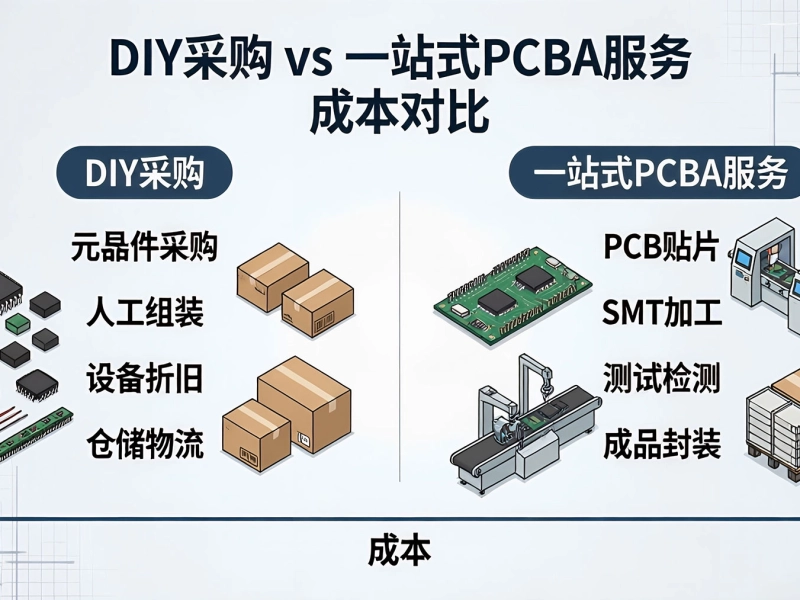
- Component costs (if the provider is sourcing components for you)
- One-time engineering fees, including NRE (Non-Recurring Engineering) costs, stencil creation, and programming fees for automated assembly equipment
- Testing fees if you require additional testing services
- Shipping and handling costs, including any customs duties for international providers
- Rework or repair costs for defective units
Ask about volume discounts for larger production runs, and clarify payment terms (most providers require partial payment upfront for new customers, with the balance due before shipping). For ongoing production, you may be able to negotiate net payment terms after establishing a relationship.
4. Evaluate Service and Support Capabilities
The level of support you receive throughout the assembly process can have a significant impact on your project's success, especially if you are working on a complex design or your first product launch.
Engineering Support
Look for Pcb Assembly Services that offer free DFM (Design For Manufacturing) and DFA (Design for Assembly) reviews before production starts. These reviews can identify potential design issues that would cause manufacturing problems, reduce assembly costs, and improve product reliability before you incur expensive production costs. Experienced engineering teams can also suggest design optimizations to improve performance or reduce costs.
Communication and Project Management
Responsive communication is critical, especially for time-sensitive projects. Evaluate:
- Average response time to inquiries
- Whether you will have a dedicated project manager as a single point of contact
- Frequency of project updates during the assembly process
- Language and time zone compatibility if working with an international provider
After-Sales Support
Consider what support you will receive after delivery:
- Process for handling defective units or manufacturing errors
- Ability to perform rework or modifications on assembled boards
- Failure analysis services if you experience field failures with your product
- Support for future design revisions and product updates
5. Verify Provider Reputation and Track Record
Before making a final decision, research the provider's reputation in the industry:
- Look for customer reviews and testimonials on independent platforms
- Ask for case studies or references from customers who have completed similar projects
- Check how long the company has been in business and their experience in your industry
- Consider asking for a small prototype run first before committing to a large production order, to evaluate their quality and service firsthand
Common Mistakes to Avoid
- Choosing based solely on lowest price: Poor quality assembly will cost you far more in the long run through product failures, warranty claims, and brand damage.
- Ignoring DFM reviews: Skipping DFM checks often leads to avoidable manufacturing issues and higher production costs.
- Not verifying Component Sourcing practices: Counterfeit components can cause catastrophic product failures and safety issues.
- Overlooking long-term scalability: Choose a provider that can grow with you as your production volumes increase, rather than having to switch providers mid-product lifecycle.
- Not clarifying intellectual property (IP) protection: Ensure the provider has policies in place to protect your design files and proprietary information.
Conclusion
Selecting the right Pcb Assembly Services partner is a strategic decision that will impact your product's success throughout its entire lifecycle. By taking the time to evaluate providers based on their capabilities, quality standards, pricing transparency, support, and reputation, you can find a partner that meets your current project needs and supports your future growth. Remember that the cheapest option is rarely the best value, and investing time in the selection process upfront will save you significant time, money, and frustration later.
Contact us to discuss your requirements.