Open Nav


If you have ever needed printed circuit boards assembled with components, you have likely encountered the term "Turnkey PCB Assembly." This service model has transformed how companies bring electronic products from concept to reality. Yet for those new to Electronics Manufacturing, understanding what Turnkey Assembly offers and how it differs from other approaches can be confusing. This guide explains the Turnkey Assembly concept, its benefits, and how to determine if it suits your project.
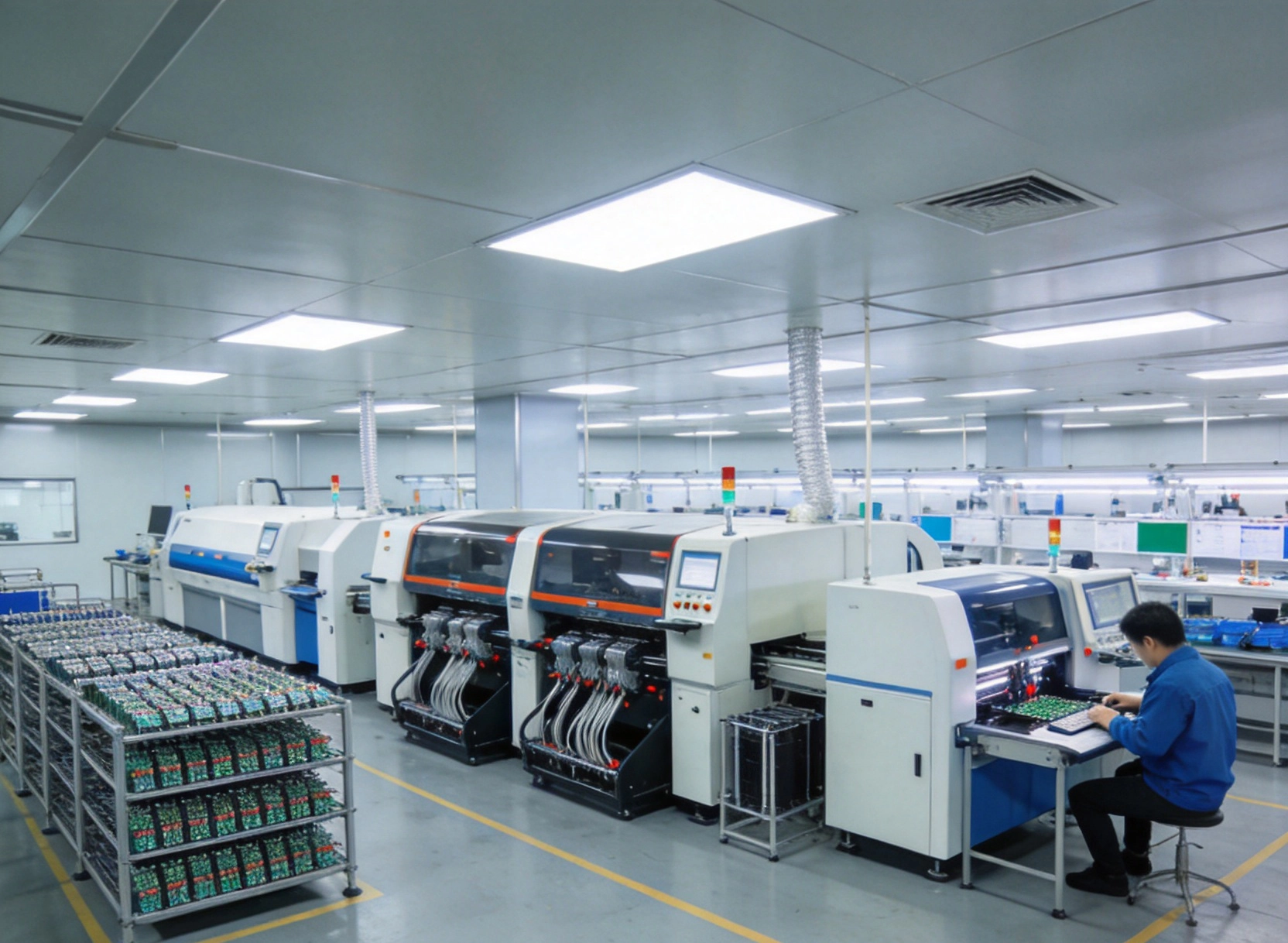
The term "turnkey" comes from the idea that someone hands you a key, you turn it, and the product works. In Electronics Manufacturing, Turnkey PCB Assembly refers to a service where the assembly partner handles virtually every aspect of producing your finished circuit boards. From procuring components to assembling boards and delivering tested products, the provider manages the complete process under one roof.
This comprehensive approach differs sharply from partial services that handle only specific steps. A non-turnkey approach might provide fabrication but require you to arrange assembly separately. Or an assembly service might require you to source and deliver components yourself. Turnkey eliminates these fragmented arrangements by consolidating everything into a single engagement.
Turnkey assembly begins when you provide your design files, typically in Gerber format for bare boards, along with a bill of materials (BOM) listing all components needed. The assembly partner then takes responsibility for the entire subsequent process.
Component Sourcing represents one of the most valuable turnkey services. Manufacturers maintain relationships with distributors and component suppliers, often securing better pricing through volume purchasing. They handle lead time management, substitute components when originals become unavailable, and ensure all parts arrive ready for assembly. This capability eliminates a major headache for companies without established supply chains.
PCB Fabrication produces the bare boards according to your design specifications. The manufacturer controls quality at this foundational step, ensuring boards meet your requirements for layer count, materials, tolerances, and surface finish before components arrive.
Assembly attaches components to the fabricated boards using Surface Mount Technology, through-hole insertion, or both depending on your design. Modern assembly lines place components with high precision, reflow solder connections, inspect results, and handle any necessary through-hole soldering.
Testing verifies that completed assemblies function correctly. Testing approaches range from basic Visual Inspection through Automated Optical Inspection (AOI) to functional testing that exercises circuits under real operating conditions. You specify testing requirements, and the turnkey provider implements appropriate verification.
Managing multiple suppliers for bare boards, components, and assembly creates administrative burden and coordination challenges. Turnkey assembly consolidates these relationships into one vendor, one quote, and one point of contact. This simplification reduces time spent on procurement activities and frees Engineering Resources for product development rather than Supply Chain Management.
For startups and small companies without dedicated procurement staff, turnkey assembly provides access to Manufacturing expertise that would otherwise require hiring additional personnel. The assembly partner becomes a knowledgeable guide through the Manufacturing process rather than just a vendor executing instructions.
Component shortages have become a persistent challenge in electronics manufacturing. When you source components yourself, shortages directly impact your project timeline. Turnkey providers maintain broader supplier relationships and often stock common components, spreading supply chain risk across many customers and products.
Experienced turnkey manufacturers anticipate potential shortages and proactively suggest alternatives before problems arise. Their purchasing teams monitor component availability and pricing trends, taking action to secure supplies before you even know there might be an issue. This proactive approach significantly reduces the risk of unexpected delays.
When one organization controls fabrication, component quality, and assembly, maintaining consistent quality becomes easier. Problems can be traced through the entire process rather than being passed between suppliers who blame each other. Turnkey providers develop deep understanding of your product through repeated production runs, continuously improving their handling of your specific requirements.
Documentation and traceability also improve under turnkey arrangements. A single provider maintains records for materials, process parameters, and inspection results across all production steps. This documentation supports quality investigations and regulatory compliance when needed.
Turnkey assembly often achieves lower total cost than managing multiple vendors. Providers pass through economies of scale in component purchasing, optimize panel utilization in fabrication, and amortize setup costs across larger production volumes. While turnkey pricing may appear higher than a single fabrication quote, the comparison ignores the hidden costs of managing multiple suppliers, shipping between vendors, and potential quality problems from fragmented production.
Prototype and low-volume production particularly benefit from turnkey economics. Setting up multiple vendor relationships for small quantities proves disproportionately expensive, while turnkey providers serve these volumes efficiently as part of their standard operations.
In consignment models, you purchase and own components while the assembly provider handles only the assembly step. This approach makes sense when you have existing component inventory, need specific components that only you can source, or require complete control over component selection and qualification.
Consignment works less well for most situations because component ownership transfers risk to you for price changes, shortages, and obsolescence. You also bear the cost of carrying inventory and managing stock levels. Turnkey services remove these burdens while typically matching or improving component pricing through collective purchasing power.
Some providers offer assembly-only services that expect you to deliver components or bare boards. This hybrid approach might suit specialized situations, such as when you have qualified a specific board fabricator whose quality you prefer, or when you use proprietary components unavailable through standard distribution.
Partial services introduce coordination complexity that turnkey arrangements eliminate. You become responsible for logistics between vendors, quality problems become harder to diagnose, and timeline risk increases when any vendor misses their commitment. Evaluate these risks honestly before choosing partial services over turnkey.
Larger organizations sometimes consider building internal manufacturing capability to avoid external dependencies. While vertical integration offers certain advantages, the capital investment, expertise development, and ongoing management required often exceed the benefits for most product volumes.
Turnkey assembly partners specialize in manufacturing, continuously improving their processes and capabilities. They serve many customers, spreading the cost of advanced equipment and process development. This specialization typically delivers better quality and cost than internal manufacturing for all but the highest volume products.
Turnkey assembly providers execute based on your designs but do not typically assume responsibility for design correctness. You remain accountable for schematic accuracy, component selection, and Design For Manufacturing compatibility. Most providers offer Design For Manufacturing (DFM) review as a value-added service, flagging potential problems before production, but ultimately design decisions rest with you.
This responsibility division makes sense given the provider's limited visibility into your design intent. However, it does mean you need appropriate engineering expertise to develop producible designs. If your team lacks this expertise, factor in the cost of design review services or training when evaluating turnkey options.
Turnkey providers typically do not guarantee that your product meets regulatory requirements. They may offer documentation supporting compliance efforts, such as material declarations, test reports, or certificates of conformance, but regulatory responsibility remains with you as the product manufacturer.
Medical, automotive, and other regulated industries must maintain their own compliance programs independent of manufacturing arrangements. Understand what documentation your regulatory path requires and negotiate appropriate support from your turnkey provider early in the relationship.
Turnkey testing focuses on pcb assembly functionality rather than complete product validation. Your product may require integration testing, environmental testing, or regulatory testing beyond what assembly verification provides. Plan for these additional validation steps when developing project schedules and budgets.
Not all turnkey providers offer identical capabilities. Evaluate whether potential partners can reliably produce your specific requirements in terms of board complexity, component types, and quality levels. Questions to address include maximum layer count and board size they handle reliably, component size ranges from large connectors down to fine-pitch ICs, specialized capabilities needed for your application such as flexible boards or metal core substrates, and quality certifications demonstrating their commitment to process control.
Request samples of their work, particularly for projects similar to yours. Ask about their experience with your component types and any unique requirements your application has. Providers with relevant experience reduce the learning curve and risk for your project.
Manufacturing relationships require ongoing communication about order status, problem resolution, and design changes. Evaluate how potential partners communicate and their typical response times for routine inquiries and urgent issues. Poor communication creates frustration and may indicate broader operational problems.
Ask about escalation paths when problems arise. You want to understand how issues are handled, who you contact for resolution, and typical resolution timelines. Partners who acknowledge problems and work transparently toward solutions build better long-term relationships than those who delay bad news.
Your turnkey provider will likely hold components for your products and have ongoing commitments to your program. Their financial stability matters for supply chain continuity and long-term support. While formal credit checks may be excessive, at least verify that providers have been in business long enough to establish track records and have reasonable financial metrics.
Consider not just current requirements but future needs as well. Can the provider support higher volumes if your product succeeds? Do they have capacity for rush orders when you have urgent needs? The ability to scale with your business provides flexibility that reduces future supplier qualification effort.
Turnkey assembly proceeds most smoothly when you provide complete, accurate documentation. Gerber Files should include all layers needed for fabrication and assembly. Your BOM should specify exact part numbers, quantities, and any acceptable alternatives. Include assembly drawings clarifying any special requirements not obvious from standard conventions.
Ambiguities in documentation cause delays as providers seek clarification or make assumptions that later prove incorrect. Take time to create clear, complete documentation rather than assuming providers will understand your intent.
Turnkey assembly involves multiple sequential steps: Component Procurement, panel fabrication, assembly, inspection, and any testing you specify. Each step requires time, and problems anywhere in the chain extend the overall timeline. Work with your provider to establish realistic schedules based on component availability, board complexity, and their current workload.
Rush orders may be possible but typically carry premium pricing and may compromise quality by rushing steps that benefit from appropriate time. Build reasonable schedules into your planning to avoid paying rush charges or accepting unnecessary quality risk.
Consult with your provider about design for manufacturing (DFM) early in the design process. They understand their process capabilities and can identify potential problems before you commit to designs that prove difficult to produce. This early engagement costs little but can prevent expensive design respins or manufacturing difficulties.
Most providers offer Dfm Review as part of their quotation process. Take advantage of this review rather than assuming your design will work without modification. Their feedback reflects practical manufacturing experience that improves outcomes.
Turnkey relationships improve over time as providers learn your products and you learn their processes. Early production runs may reveal issues requiring design adjustments or process modifications. Work through these learning curve challenges constructively rather than switching providers at the first difficulty.
Establish ongoing communication patterns that support continuous improvement. Share feedback about what works well and what could be improved. Partners who receive constructive feedback typically respond with improved service that benefits both parties.
Many assume turnkey services command premium pricing. While turnkey may cost more than a single fabrication quote, comparing against the full cost of fragmented procurement often shows turnkey delivering better value. Factor in Component Procurement effort, shipping between vendors, quality problem resolution, and management time when evaluating pricing.
Some fear that turnkey services mean surrendering control over manufacturing decisions. In practice, you maintain control over design decisions, quality specifications, and Acceptance Criteria. The provider executes your instructions; you specify what those instructions are. Clear communication ensures your requirements are met regardless of service model.
Reputable turnkey providers maintain quality systems comparable to or exceeding what most companies could achieve internally. Their business depends on consistent quality, and they invest in equipment, training, and process control accordingly. Quality concerns should focus on selecting capable providers rather than avoiding external services.
Typical requirements include Gerber Files for all Pcb layers, a bill of materials listing components with part numbers and quantities, centroid data file for component placement, any assembly drawings specifying special requirements, and test specifications if you require specific testing beyond standard inspection.
Yes, many turnkey providers specialize in prototype and low-volume production, offering services for quantities from single prototypes through thousands of units. Pricing typically increases for smaller quantities due to fixed setup costs, but the convenience often justifies the premium for engineering validation and market testing.
Experienced turnkey providers proactively identify potential shortages and suggest alternatives before they cause problems. When substitutes are necessary, they typically recommend parts with equivalent function and compatible footprint, seeking your approval before proceeding. Clear communication about acceptable alternatives speeds response to shortage situations.
Discuss inspection and testing options with your provider. Standard services typically include Aoi Inspection, often with X-ray inspection for Bga components. Additional testing such as flying probe testing, functional testing, or burn-in can be specified for demanding applications. Review inspection results and certificates of conformance that document testing performed.
Reputable turnkey providers treat customer designs as confidential and have policies and procedures to protect proprietary information. Ask potential partners about their confidentiality practices and consider mutual confidentiality agreements for additional protection. Your design files represent valuable intellectual property; ensure your providers respect that value.
Turnkey Pcb Assembly offers compelling advantages for companies developing electronic products. By consolidating manufacturing responsibilities, turnkey services free engineering teams to focus on product development while providing access to manufacturing expertise that might otherwise require extensive internal resources.
The decision to use turnkey services should be based on clear understanding of what the model provides and what responsibilities remain with you. For most applications beyond simple hobby projects, turnkey assembly delivers better outcomes than fragmented procurement approaches while reducing risk and simplifying vendor management.
Panelization Strategies: V-Scoring vs. Tab Routing for Efficient DepanelingJuly/07/2026
Managing Moisture Sensitivity Levels (MSL) for BGA and QFN PackagesAugust/10/2026
The Science of Solder Paste Printing: Stencil Design Best PracticesJune/17/2026
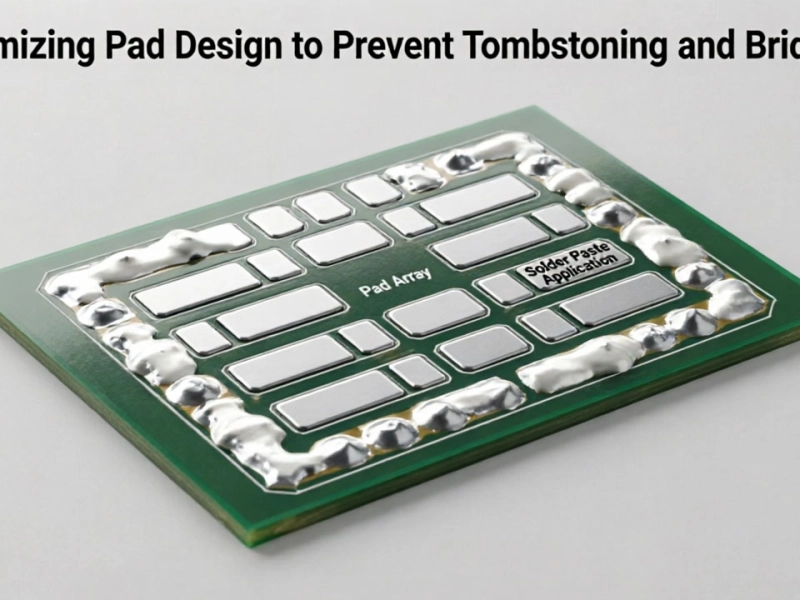
Optimizing Pad Design to Prevent Tombstoning and BridgingJune/05/2026

Mastering DFM: Essential Design Rules for Flawless PCB AssemblyMay/22/2026
Silk Screen Best Practices: Improving Readability and Assembly EfficiencySeptember/15/2026

Designing for Testability (DFT): Placing Test Points for ICT and FCTJuly/31/2026
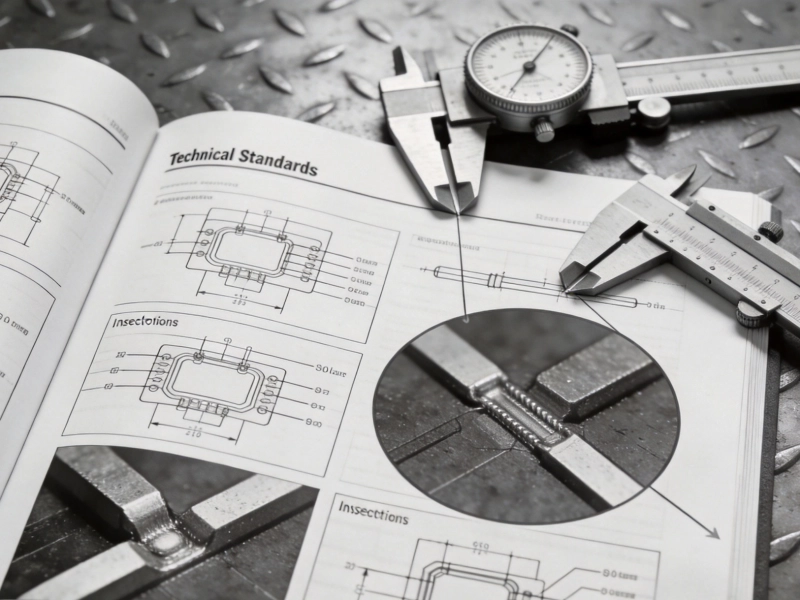
How to Read an IPC-A-610 Standard for Electronic AssembliesSeptember/08/2026