Open Nav


When you Request A Quote for Turnkey PCB Assembly, the number you receive—whether it is $500 or $50,000—only tells part of the story. What is actually inside that quote? Which line items are fixed costs versus variables? Are there fees that could appear later as surprises? Understanding how Turnkey Assembly pricing works empowers you to compare offers intelligently, negotiate confidently, and budget accurately for your project.
This article walks through the typical cost structure of a Turnkey Assembly quote, explaining each component in plain terms so you can evaluate pricing with clarity rather than confusion.

Turnkey assembly refers to a service model where the assembly provider handles everything from procuring bare PCBs to sourcing components, performing assembly, and delivering finished boards ready for testing. The alternative—Consignment Assembly—requires you to source and supply components yourself, which shifts cost and risk differently between buyer and provider.
The turnkey model bundles multiple services into a single quotation, which can make it difficult to see where your money goes. A transparent provider breaks down these costs so you understand exactly what you are paying for. Less transparent providers may bundle costs together in ways that obscure pricing variables, making comparison difficult.
The value of transparency extends beyond avoiding surprises. When you understand cost drivers, you can make informed decisions about design changes, quantity adjustments, and trade-offs that affect both cost and quality.
The bare printed circuit board typically represents 15% to 35% of total turnkey assembly cost, depending on board complexity and quantities ordered. This line item covers the Manufacturing of the Pcb itself.
Several board characteristics directly influence the fabrication price quoted:
A detailed quote should show the unit cost and total for bare PCBs separately from other line items. If the Pcb cost is bundled with assembly, ask for it to be itemized so you can benchmark against standalone PCB fabricators.
Components typically represent the largest single cost category in turnkey assembly, often 40% to 70% of total cost depending on the Bill of Materials complexity. This area deserves careful scrutiny since component pricing varies significantly between suppliers.
Reputable turnkey providers maintain relationships with major distributors including Digi-Key, Mouser, Arrow, and Avnet. They purchase components at published list prices less distributor volume discounts that they pass along partially or fully depending on the provider model.
For commodity components with multiple sources, pricing is relatively standardized. For specialized or long-lead components, provider expertise in finding cost-effective alternatives and managing supply chain risk adds value beyond the unit price.
Turnkey quotes should specify component pricing individually or grouped by category. Watch for quotes that bundle all components into a single line item, which makes it impossible to evaluate the procurement margin embedded in the pricing.
The best turnkey providers share actual distributor invoices or pricing confirmations for significant components, demonstrating that you are paying market rates rather than inflated procurement markups. Some providers charge a procurement fee—typically 5% to 15%—to cover the labor and overhead of sourcing, verification, and Inventory Management. This model is preferable to hidden markups because you see exactly what you are paying for the service.
Assembly labor covers the cost of placing components on the board, reflowing or soldering connections, and performing any hand assembly or special processes required.
Most assembly quotes include setup fees that cover the engineering and machine programming required to prepare your board for production. These fees may appear as:
Setup fees are legitimate costs that must be recovered regardless of order volume. A provider who quotes zero setup fees may be recovering these costs elsewhere in the quote or through higher unit pricing.
Testing costs cover the inspection and verification activities that confirm your boards function correctly. These costs are sometimes overlooked in quotes until they appear as add-on charges.
Ask specifically what testing is included in the base quote and what testing is available as an option. For critical applications, testing costs are a worthwhile investment; for prototype quantities, basic inspection may suffice.
Getting your finished boards from the assembly facility to your location involves costs that should be transparent in the quote.
Standard packaging—antistatic bags and appropriate cushioning—is typically included. Special packaging requirements like ESD-sensitive packaging, nitrogen purging, or custom labeling may add cost.
Domestic shipping is often included or available at minimal cost. International shipping costs vary significantly by destination, weight, and urgency. Express international shipping can cost $100 to $500 depending on package size and destination. Sea freight for large orders offers significant savings but adds weeks to delivery time.
For international shipments, costs may include customs documentation preparation, duties and taxes, and brokerage fees. Turnkey providers experienced with cross-border shipments can often navigate these requirements more efficiently than occasional shippers.
Some costs in a turnkey quote are fixed while others vary with quantity or other factors. Understanding this distinction helps you evaluate quotes accurately and plan for future orders.
Comparing quotes at different quantities requires understanding how these cost categories behave. A quote for 100 boards that looks expensive may have inflated setup costs; a quote for 10,000 boards with a lower unit price may hide setup costs that make small re-orders costly.
Most turnkey providers offer volume discounts, but the structure varies. Some offer tiered pricing with defined quantity breaks; others negotiate on a case-by-case basis. Understanding the pricing curve helps you evaluate whether a proposed quantity makes sense for your application and budget.
Not all providers structure quotes the same way. Some fees may not appear prominently or may be absent from initial quotes, appearing only during or after production.
Before accepting a quote, ask your provider:
Providers willing to answer these questions directly and in writing demonstrate commitment to transparency that extends throughout the engagement.
Transparent pricing benefits both buyers and providers in a turnkey relationship. When you understand where costs come from, you can make informed decisions about design trade-offs, quantity optimization, and testing requirements.
With transparent cost data, engineers can evaluate design alternatives based on actual cost impact. Using a more expensive component that saves assembly steps may reduce total cost. Choosing a standard package over a specialty component may significantly reduce procurement costs.
Transparent quotes allow accurate project budgeting and cash flow planning. When costs are predictable, you can commit to production timelines without fearing unexpected invoices.
Providers who offer transparent pricing demonstrate confidence in their competitiveness. They earn trust by showing their work rather than hiding behind bundled pricing. This transparency builds relationships that outlast individual orders.
When you receive multiple quotes for the same project, direct comparison requires normalizing for differences in scope, quality, and services included.
Ensure quotes cover identical scopes. One quote may include testing that another quotes as an option. One may include components while another quotes assembly only. Convert all quotes to a common scope before comparing pricing.
The lowest quote is not always the best value if it comes with quality trade-offs. Consider the provider's experience, certifications, and quality track record alongside pricing. A slightly higher quote from an experienced provider may deliver better total value through fewer defects and faster issue resolution.
Quotes should specify delivery timelines. A lower quote with a 4-week lead time may cost more in inventory carrying costs than a higher quote with a 1-week lead time, depending on your situation.
Price differences can reflect several factors: Component Procurement sources and markups, Assembly Efficiency based on equipment and expertise, geographic cost structures, included versus add-on services, and profit margin strategies. The lowest quote may include lower-quality components or fewer services. The highest quote may reflect premium service, superior quality controls, or simply higher overhead. Comparing itemized quotes reveals the source of price differences.
Consignment Assembly—where you supply your own components—eliminates procurement markups but shifts risk and cost to you. You absorb the cost of excess inventory, manage obsolescence risk, and bear responsibility for Component Authenticity and quality. For complex BOMs with many components, consignment often costs more total when you account for these factors. Turnkey procurement at 5% to 15% markup is often more cost-effective than managing procurement yourself.
Setup fees vary by board complexity and provider. A simple two-layer board may have setup fees of $100 to $300. Complex boards with many component types may have setup fees of $500 to $1,500 or more. When evaluating setup fees, consider what is included—programming, fixture fabrication, first article inspection—and compare providers on equivalent scopes.
Expedite fees reflect the cost of taking your order out of normal production sequence, which disrupts scheduling and may require dedicated machine time. Typical expedite premiums range from 25% for 1-week acceleration to 100% for same-week production. The actual premium depends on provider capacity and your schedule flexibility. Planning orders with standard lead times when possible avoids these premiums.
Testing requirements depend on your application and quality requirements. Prototype quantities typically benefit from basic AOI and flying probe testing to catch assembly defects. Production boards for consumer products may require AOI plus functional testing. Medical, automotive, or aerospace applications may require full functional test, burn-in, and complete traceability documentation. Discuss your application with your provider to determine appropriate testing levels.
Turnkey Assembly Pricing comprises multiple cost categories—PCB Fabrication, Component Procurement, assembly labor, testing, and logistics—each with its own cost drivers and variables. Transparent quotes itemize these categories rather than bundling them into opaque totals.
Understanding what drives each cost category enables you to evaluate quotes intelligently, identify opportunities for cost optimization, and avoid surprise charges that inflate total project cost. The goal is not necessarily finding the lowest price but finding the best value—the optimal balance of cost, quality, service, and reliability for your specific situation.
When evaluating turnkey assembly providers, prioritize those willing to explain their pricing structure and demonstrate transparency throughout the engagement. This transparency in pricing often reflects broader commitment to transparency in quality, communication, and customer service that serves your interests throughout the product lifecycle.
Ready to receive a transparent, itemized quote for your turnkey assembly project? Connect with a provider who will walk you through every line item and answer your questions about what you are paying for.
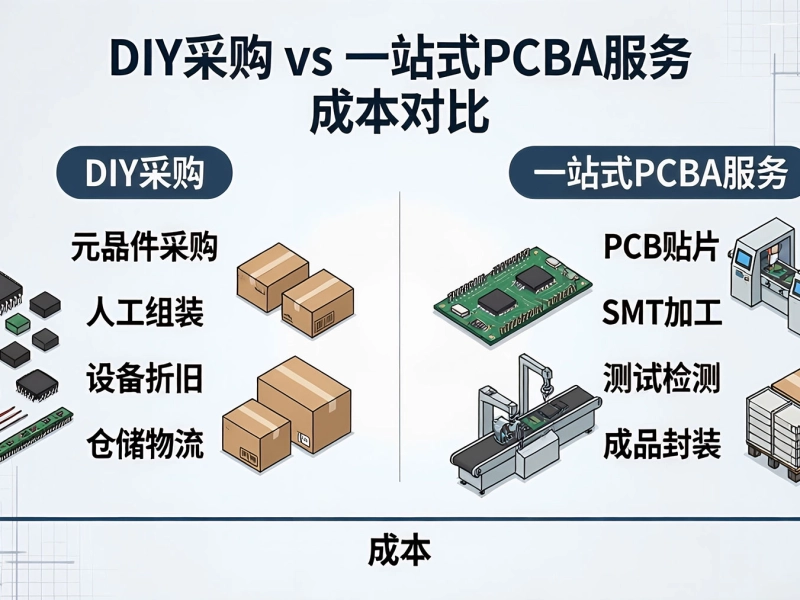
The Hidden Costs of DIY Sourcing vs. Turnkey PCBA ServicesJune/08/2026
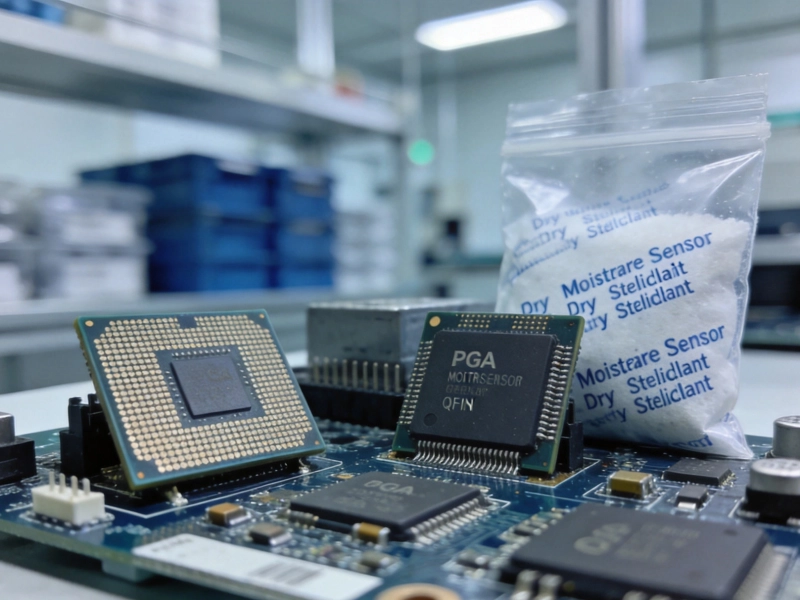
Managing Moisture Sensitivity Levels (MSL) for BGA and QFN PackagesAugust/15/2026

The Role of Supply Chain Management in Successful Turnkey ProjectsSeptember/10/2026
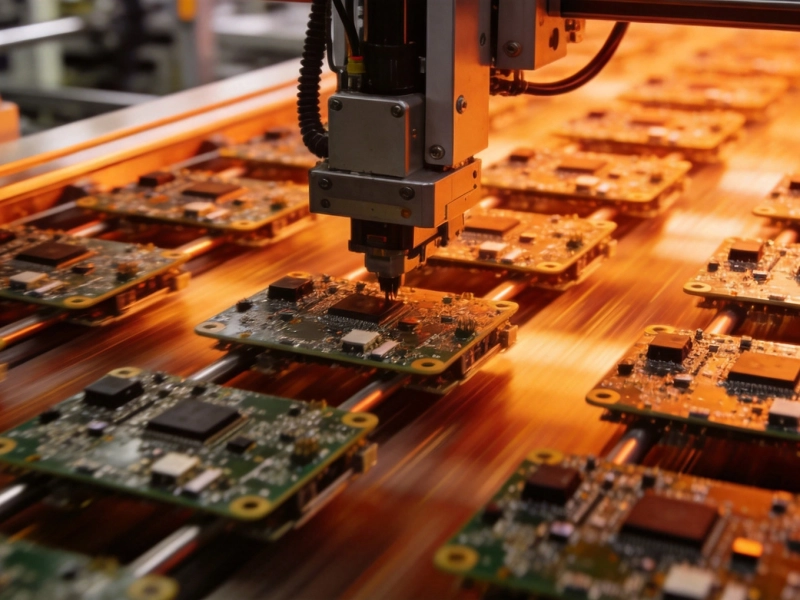
Scaling from 10 Prototypes to 10,000 Units: A Turnkey PCBA Success StoryJuly/24/2026

Accelerating Time-to-Market with One-Stop PCB Assembly SolutionsJuly/07/2026

How Turnkey Providers Streamline Component Procurement and LogisticsJune/18/2026
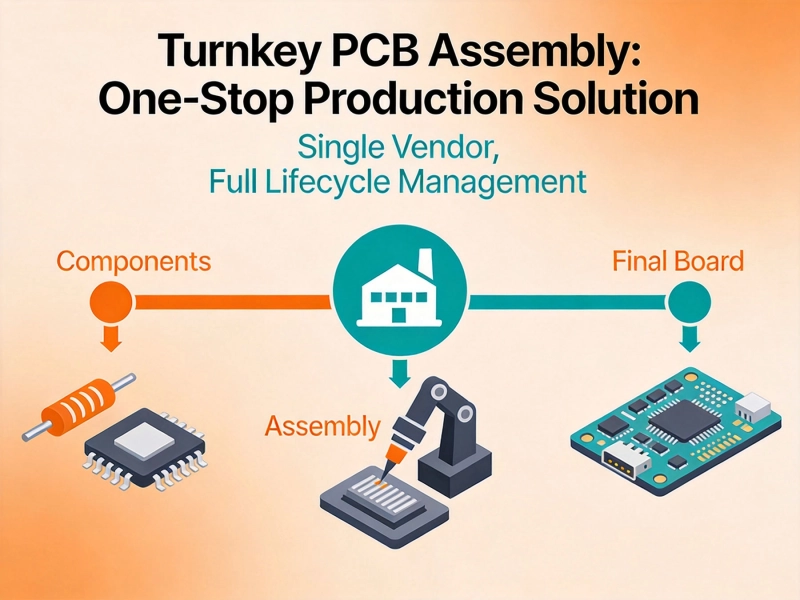
Why Choose Turnkey PCB Assembly for Your Next Product Launch?May/22/2026

What to Look for in a Reliable Turnkey PCB Assembly PartnerAugust/03/2026