Open Nav


When procurement teams compare quotes for Low Volume PCB Assembly, they often focus on the most visible number: the unit price. A quick scan of competing bids seems to reveal a clear winner, and the order goes to the lowest quote. Weeks later, unexpected invoices arrive, timelines slip, and the final cost per board bears little resemblance to the original estimate. This pattern repeats so consistently that experienced buyers have developed a healthy skepticism toward quoted prices that seem too good to be true.
The gap between quoted and actual cost in Low Volume PCB Assembly stems from legitimate cost drivers that are easy to overlook when evaluating bids. Understanding these hidden costs allows buyers to make more accurate comparisons, negotiate more effectively, and avoid the surprises that erode trust between customers and contract manufacturers. This article examines the cost categories most buyers miss and explains where to look when evaluating assembly quotes.
The most significant hidden cost in low volume pcb assembly is the non-recurring engineering fee, commonly called the NRE or setup fee. This charge covers the work required to prepare a new assembly job: programming pick-and-place machines, creating Solder Paste stencils, setting up reflow oven profiles, establishing test procedures, and generating documentation. These activities are real labor that costs real money, but they are easy to overlook when focusing on unit price.
NRE fees vary widely between manufacturers and depend heavily on board complexity. A simple two-layer board with standard components might carry a setup fee of a few hundred dollars. A complex multi-layer board with fine-pitch components, buried vias, and custom testing requirements could easily generate setup fees of several thousand dollars. Some manufacturers bundle this cost into unit pricing, which makes their quotes look higher per board but potentially more accurate. Others quote rock-bottom unit prices and recover setup costs through separate line items that appear only after the initial quote is accepted.
The critical thing to understand about NRE fees is that they amortize differently depending on your order quantity. If your setup fee is $1,000 and you order 100 boards, that adds $10 to your cost per board. If you order only 25 boards, the same setup fee adds $40 per board. This is why low volume orders often carry higher effective per-board costs than higher volume runs of the same design, and why comparing unit prices across different order quantities requires careful analysis.
Beyond basic NRE fees, specific tooling and fixture costs often appear as separate line items that buyers fail to anticipate. These costs exist because physical objects must be created to handle your specific board during assembly, and those objects have real material and labor costs.
Solder Paste stencils represent the most commonly overlooked tooling item. A laser-cut stainless steel stencil for your board typically costs between $50 and $200 depending on frame size and cut complexity. While this is not a huge amount, it comes as a surprise when buyers expect everything to be included in the quoted price. Some manufacturers offer薄钢stencil alternatives that are less durable but cheaper for initial prototype runs, which can be a reasonable trade-off for very small quantities.
Fixture costs arise when boards require specialized handling during assembly. Boards with unusual form factors, heavy components, or thermal requirements may need custom fixtures for the reflow oven, Wave Soldering equipment, or selective soldering machines. These fixtures are designed and built specifically for your board, and the engineering time to create them adds to your project cost.
Test fixtures can be surprisingly expensive for low volume production. Functional test fixtures often require pogo pins, custom wiring, and enclosures that must be designed and built for your specific board. A bed-of-nails fixture for in-circuit testing might cost $500 to $2,000 or more depending on complexity. Flying probe testing, which uses no fixture, avoids this cost but typically takes longer per board, adding to per-unit labor costs.
Component costs frequently deviate from initial estimates in ways that surprise buyers who have not worked extensively with Electronics Manufacturing. The gap between estimated and actual component costs has widened in recent years due to Supply Chain volatility, counterfeit component risks, and the economics of small-quantity purchasing.
Minimum order quantities create waste that buyers sometimes fail to account for. When you need 50 units of a component for a build of 25 boards, you may be forced to purchase a full reel of 3,000 or 5,000 pieces. The excess inventory represents real money spent, even though it may sit unused for months or years. Some manufacturers handle this through consignment arrangements where you retain ownership of unused inventory, while others absorb the excess into their quoted pricing, which can make their initial quotes appear higher than competitors who do not account for this risk.
Obsolescence and availability issues create unexpected costs when designs rely on components that are no longer in production or are allocated due to supply constraints. Finding substitute components requires engineering time to verify compatibility, and the substitutes may cost more than the originally specified parts. Rush orders for hard-to-find components can carry significant premiums that were not included in original estimates.
Component lot tracing and compliance documentation add administrative costs that are easy to overlook. Automotive, medical, and aerospace customers often require documentation proving component origin and material composition. Gathering this documentation takes time and may involve fees from component distributors who charge for detailed traceability reports.
Design changes during production, whether initiated by the customer or discovered through Manufacturing feedback, generate costs that often exceed what buyers expect. Understanding how change orders are priced helps prevent budget overruns when designs evolve during the build process.
Engineering change orders during active production typically carry significant per-change fees. Adjusting pick-and-place programs, creating new stencils, updating test procedures, and reworking already-built boards all require labor that contract manufacturers must recover. Change fees can range from $100 to $500 or more per change, and if the change requires reworking boards already built, additional rework charges add to the total.
Prototype iterations compound these costs. Many low volume assembly quotes assume a single build, but design development often requires multiple spins before a design is finalized. Each spin carries the full NRE and tooling costs, and the cumulative expense of several iterations can exceed what buyers planned for their development budget.
Rework for defective assemblies also costs money that buyers sometimes overlook when evaluating quotes. Assembly defect rates are never zero, and the cost of reworking failed boards falls somewhere between the original assembly cost and the cost of a new board, depending on what needs to be fixed. Some manufacturers quote rework rates explicitly, while others bundle expected rework into their unit pricing for high-confidence customers.
For buyers sourcing assembly from distant manufacturers, logistics costs often represent a larger portion of total cost than anticipated. These expenses extend beyond simple freight charges to include customs, insurance, and the administrative burden of international shipping.
Freight costs vary significantly based on urgency, weight, and destination. Standard air freight from Asia to North America or Europe typically costs $2 to $5 per kilogram for consolidated shipments. Express shipping services charge much more but may be necessary for time-critical deliveries. Sea freight offers the lowest per-unit cost for large shipments but requires longer transit times and may not be practical for low volume orders with urgent timelines.
Import duties and taxes add to the cost of bringing boards across borders. duty rates on PCBs and electronic assemblies vary by product classification and destination country, and determining the correct rate requires expertise in customs tariff schedules. Some products qualify for duty exemptions or reduced rates under trade agreements, but claiming these benefits requires proper documentation and sometimes prior certification.
Customs brokerage fees cover the administrative work of clearing shipments through customs. These fees are often quoted as flat rates or percentage of shipment value, but additional charges can arise when shipments are selected for inspection or when documentation is incomplete. Buyers who have not accounted for these possibilities may face unexpected costs when shipments arrive.
When comparing assembly quotes, the level of inspection and Quality Assurance included in the base price can vary dramatically between manufacturers. A lower quote may reflect minimal inspection that saves money upfront but creates risk of field failures that cost far more than the inspection would have added.
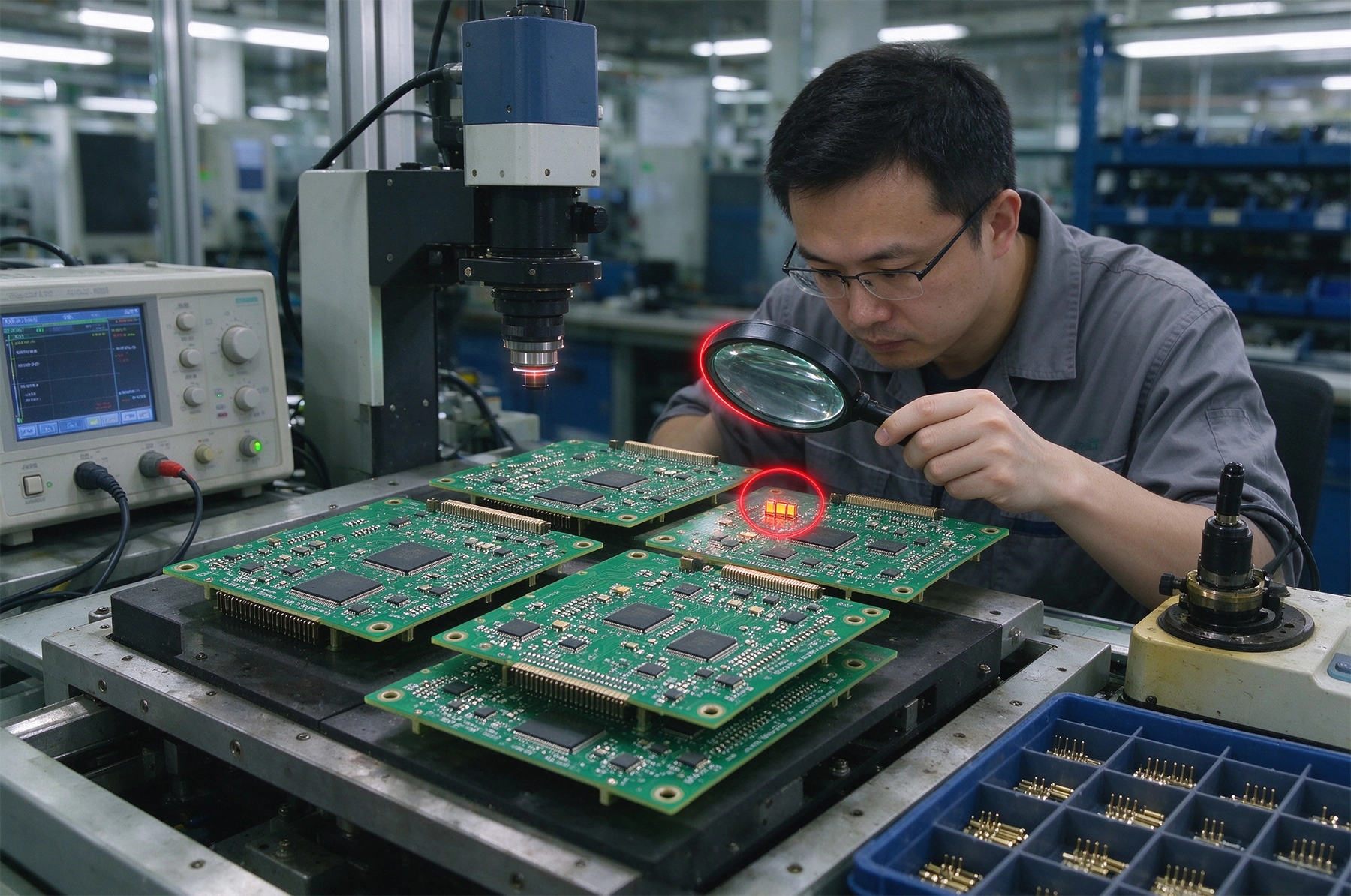
Visual Inspection is the baseline for most low volume assembly. Human operators examine boards under magnification to identify obvious defects like Missing Components, solder bridges, or misaligned parts. This approach catches many defects but misses issues that require more sophisticated detection methods, such as subtle solder joints that appear acceptable visually but will fail under Thermal Stress.
Automated Optical Inspection uses cameras and image analysis software to examine boards more consistently than human inspectors can manage. AOI systems catch smaller defects and maintain more consistent quality across large batches, but they require programming for each new board design and represent an investment that manufacturers recover through their pricing. Boards with dense component placement or complex routing may require AOI to achieve acceptable quality levels.
X-ray inspection is necessary for certain component types, particularly ball grid array packages where solder joints are hidden beneath the component body. X-ray equipment is expensive, and inspection time is longer than visual or AOI methods, so X-ray inspection is typically reserved for boards that include Bga or similar packages. Budget-conscious buyers sometimes request that Bga components be placed without X-ray inspection, which reduces cost but increases the risk of hidden solder joint failures.
Beyond the immediate build, ongoing product support generates costs that buyers often do not consider when comparing initial quotes. These costs arise when products require updates, when issues emerge during field deployment, or when Manufacturing must resume after an interruption.
Documentation packages provide the records needed for Quality Assurance, regulatory compliance, and failure investigation. Typical documentation includes assembly drawings, Bill Of Materials with revision tracking, test procedures and results, and certificates of conformance. Some manufacturers provide basic documentation packages included in their pricing, while others charge separately for detailed documentation that regulated industries require.
Manufacturing data retention creates both compliance requirements and storage costs. Many industries require manufacturers to retain production records for defined periods, sometimes five years or more for automotive and medical applications. Storing this data reliably requires infrastructure that manufacturers factor into their ongoing pricing, even for customers who order infrequently.
Program retention fees cover the cost of maintaining your assembly programs, stencils, and fixtures when you are not actively ordering. Manufacturers invest resources to store and manage these items, and some charge periodic fees to customers who take extended breaks between orders. Understanding these policies prevents surprises when an old project needs to resume production after a period of inactivity.
Awareness of hidden costs is the first step toward managing them. The following strategies help buyers develop more accurate cost estimates and negotiate more effectively with assembly partners.
Request all-inclusive quotes that itemize every cost category rather than accepting unit prices that may mask significant additional charges. A complete quote should list NRE fees, tooling costs, component costs, inspection levels, logistics, and any other applicable charges separately. Manufacturers who resist itemization may be hiding costs that will appear later as surprises.
Standardize components across product generations to amortize NRE and tooling costs over larger total volumes. When you can use the same connectors, passives, and even ICs across multiple board designs, your per-design setup costs decrease while component purchasing power increases. This strategy requires upfront engineering effort but pays dividends over time.
Build long-term relationships with assembly partners who can spread setup costs across multiple projects and provide consistent pricing as order volumes grow. Manufacturers who see you as a valued long-term customer are more likely to offer favorable terms on individual quotes and more willing to accommodate changes without excessive penalty fees.
Low volume pcb assembly involves cost drivers that are easy to overlook when focusing narrowly on unit pricing. NRE fees, tooling, component waste, change orders, logistics, and inspection levels all contribute to the true Total Cost Of Ownership, and each can vary significantly between manufacturers in ways that are not always obvious from initial quotes.
The buyers who get the best outcomes are those who understand these hidden costs and plan for them from the beginning of the sourcing process. Requesting complete cost breakdowns, standardizing components across projects, and building relationships with reliable manufacturing partners all contribute to more predictable costs and fewer unpleasant surprises.
Transparent communication with your assembly partner about budget constraints and cost expectations helps both parties find solutions that work. Manufacturers who understand your total budget picture can often suggest alternatives that reduce cost in areas where you have flexibility, even if it means adjusting specifications in less critical areas.
Contact us to discuss your requirements and explore strategies for managing the true cost of your low volume Pcb Assembly projects.
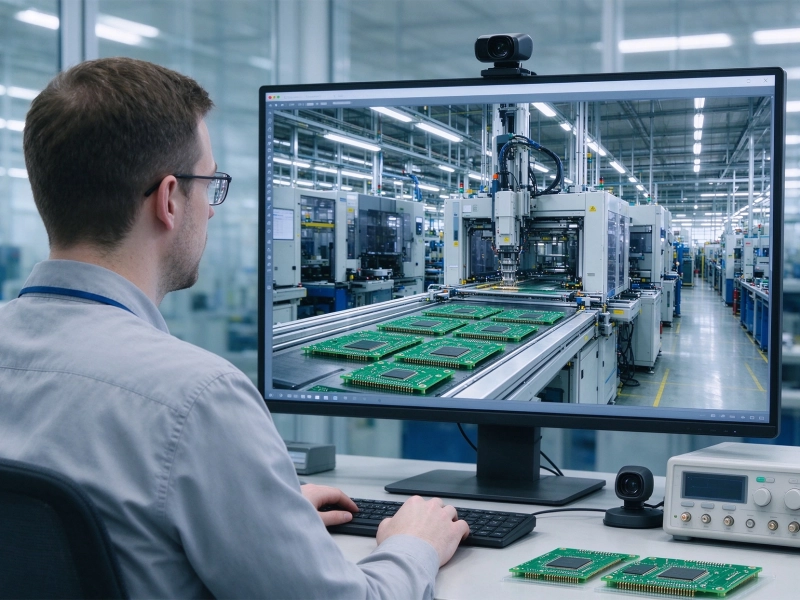
How to Vet a PCB Assembly Services Provider RemotelyOctober/20/2026
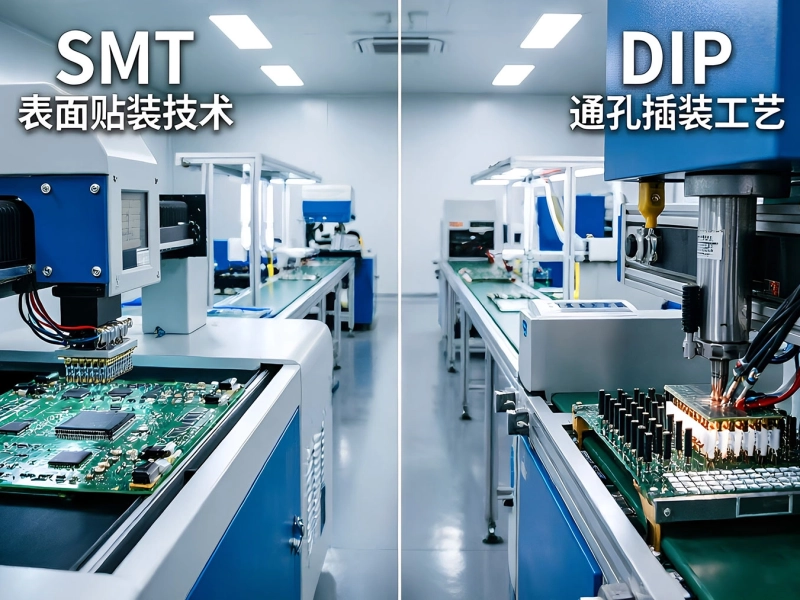
Comprehensive Guide to Our SMT and DIP CapabilitiesJune/09/2026

Sustainability in PCBA: The Push for Green and Lead-Free ProcessesJuly/28/2026
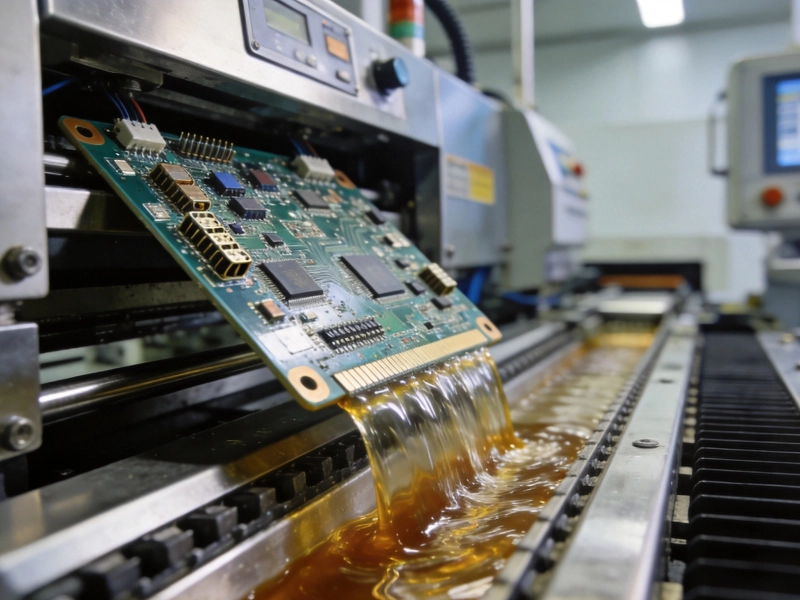
A Simple Explanation of Wave Soldering for Mixed-Technology BoardsJuly/22/2026
Fixing Common SMT Defects: A Root Cause Analysis ApproachJune/11/2026
Why Turnkey PCB Assembly Services Are Gaining PopularityOctober/09/2026
Handling 01005 Components and Micro BGAsJune/03/2026
Understanding the True Cost Drivers in Modern Electronics ManufacturingJuly/20/2026