Open Nav


Environmental responsibility is no longer optional for electronics manufacturers. Regulations like the EU's Carbon Border Adjustment Mechanism and growing customer demand for sustainable supply chains are pushing pcb assembly plants to measure and reduce their carbon footprint. For companies sourcing from contract manufacturers, understanding how assembly facilities approach sustainability helps you choose partners aligned with your own environmental commitments.
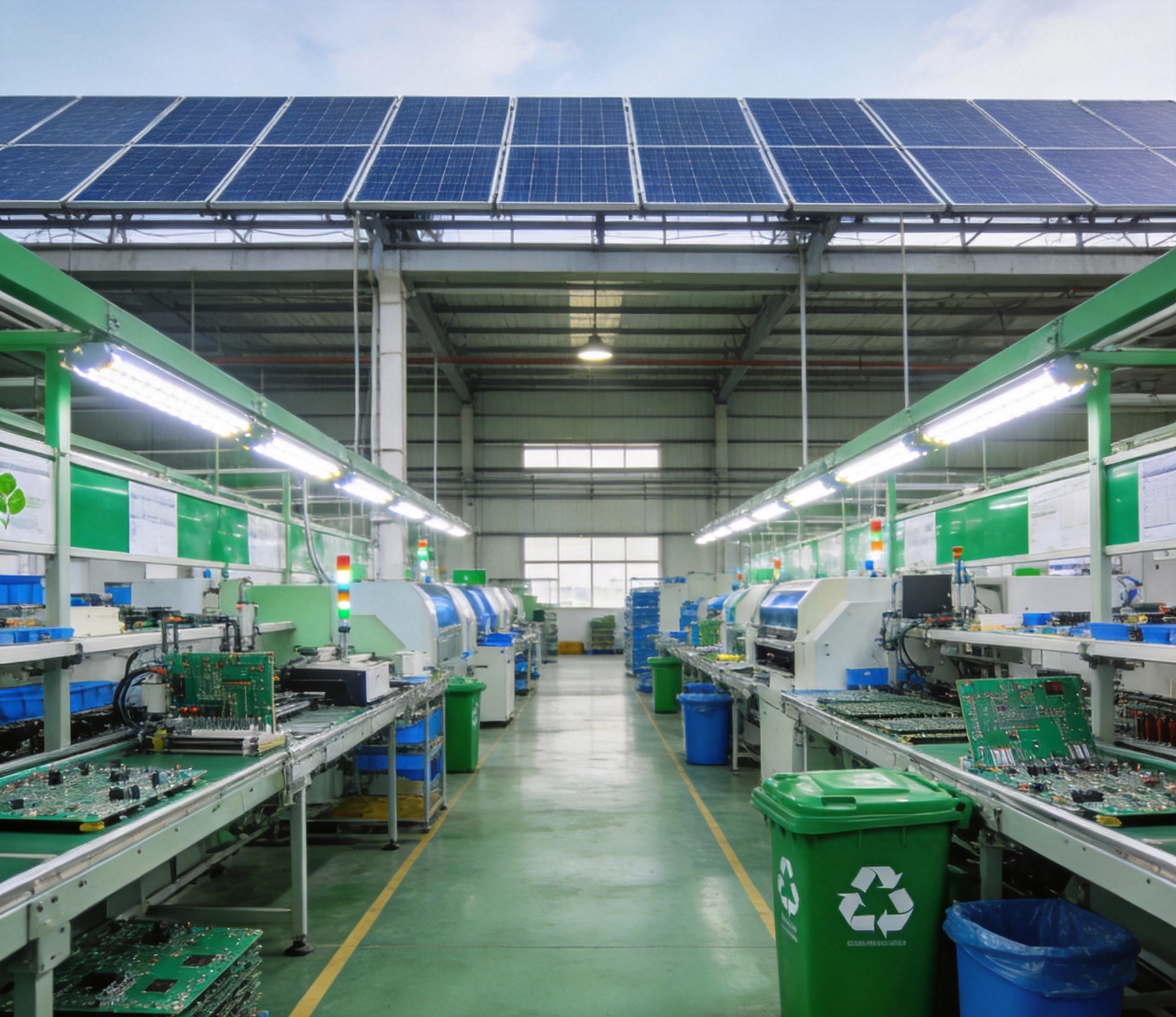
pcb assembly is energy-intensive. Reflow ovens, selective solder machines, and AOI systems run continuously during production shifts. Beyond energy, the process consumes solder alloys, cleaning chemicals, flux residues, and water for rinsing. Each step generates waste—some hazardous, some recyclable—that must be managed responsibly.
The industry has made significant progress on hazardous substance elimination through RoHS and Reach Compliance, but carbon emissions and resource consumption remain largely unaddressed by regulation. That is changing as governments implement carbon pricing and large OEMs impose sustainability requirements on their supply chains.
The largest controllable carbon source in most assembly plants is electricity consumption. Modern SMT lines include equipment with significant energy efficiency variations between generations and manufacturers. Plants that have upgraded to newer equipment with better Thermal Management and standby modes can reduce energy consumption per unit by 20–30% compared to older facilities.
Reflow ovens are the biggest energy users. Newer forced-convection ovens achieve faster ramp rates and more precise temperature control, reducing the time boards spend at high temperature. Some manufacturers run partial shifts or batch production to keep ovens at temperature during lower-output periods rather than cycling them on and off, which saves energy in the long run.
LED lighting throughout production floors reduces lighting energy by 50–60% compared to fluorescent alternatives. Motion-sensor controls in low-traffic areas like storage rooms and maintenance bays add incremental savings.
Many Pcb Assembly facilities are installing rooftop solar systems to offset grid electricity consumption. In sunbelt regions like southern China, solar installations can supply 15–30% of a plant's daytime electricity needs, directly displacing fossil-fuel-generated power. Larger facilities are entering power purchase agreements with renewable energy providers to lock in clean electricity supply.
Some manufacturers are exploring on-site co-generation using natural gas, which produces both electricity and useful heat. The waste heat can preheat process water or supplement building heating, improving overall energy efficiency even if the electricity itself is not renewably sourced.
For buyers evaluating suppliers, asking about renewable energy usage and whether facilities hold renewable energy certificates provides a concrete measure of commitment beyond generic sustainability claims.
Pcb Assembly generates several waste streams: solder dross from wave and selective soldering, scrap boards, component packaging, pallet and reel waste from SMT feeders, and chemical waste from cleaning processes. Effective waste management separates these streams and routes recyclable materials to appropriate processors.
Solder dross—the oxidized material that forms on the surface of molten solder baths—contains significant recoverable solder. Professional dross recyclers reclaim 85–95% of the solder content, returning it as usable alloy while safely disposing of the contaminants. Plants that do not segregate dross from other waste lose this recovery opportunity.
Scrap boards containing precious metals—gold in connector fingers, silver in some terminations—are increasingly collected and sent to precious metal refiners. The recovery value can offset a portion of the raw material cost, creating an economic incentive alongside the environmental benefit.
Paper, cardboard, and plastic from component packaging are straightforward to recycle where municipal infrastructure supports it. Some manufacturers require suppliers to use recyclable or reduced packaging as a condition of doing business, extending sustainability practices upstream.
The shift to Lead-free Solder, while driven primarily by health and environmental regulations, has also prompted process changes that reduce chemical exposure and waste. Lead-free alloys typically require higher reflow temperatures, which initially seemed to contradict energy reduction goals. However, process optimizations like faster ramp rates and narrower temperature windows have largely offset the temperature increase.
No-clean flux technology has eliminated the need for aqueous cleaning in many assembly applications. By using fluxes that leave benign residues meeting IPC criteria, manufacturers skip the cleaning step entirely, eliminating water consumption, wastewater treatment, and the chemical load associated with cleaning solutions. This represents one of the most significant waste reductions in the industry over the past two decades.
For applications requiring cleaning—medical, aerospace, and certain high-reliability industrial uses—modern semi-aqueous and bio-based cleaning chemistries offer better environmental profiles than the solvent-based cleaners they replaced.
Water usage in Pcb assembly comes primarily from board rinsing, cooling systems, and facility sanitation. Plants are reducing consumption through closed-loop cooling systems that recirculate water rather than using once-through cooling, and through air-cooled alternatives for processes that historically required water cooling.
Board rinsing optimization—using cascade rinsing or ion-exchange systems that allow rinse water reuse—can reduce freshwater consumption by 50–70% compared to single-pass rinsing. These systems also reduce wastewater volume, lowering treatment costs.
Rainwater harvesting for non-potable uses like landscape irrigation and floor cleaning provides additional freshwater offset in regions with adequate rainfall. While not a primary water source, it demonstrates commitment to holistic resource management.
Forward-thinking assembly plants extend sustainability requirements to their suppliers. Preferred component vendors demonstrate Rohs Compliance and provide material declarations. Laminate manufacturers offer halogen-free and recycled-content substrates. These upstream choices compound through the supply chain, amplifying the environmental benefit.
Transportation logistics offer another optimization opportunity. Consolidating shipments to reduce partial-load trucks, using sea freight rather than air where lead times allow, and optimizing route planning all contribute to lower Scope 3 emissions—the indirect emissions from a company's value chain that are often the largest portion of total carbon footprint.
Environmental management system certifications like ISO 14001 provide a structured framework for identifying impacts, setting targets, and measuring progress. Plants with ISO 14001 certification have demonstrated commitment to systematic environmental management, though the certification itself does not specify performance levels.
Carbon footprint reporting using protocols like the GHG Protocol Corporate Standard enables companies to measure their emissions comprehensively. Some large OEMs now require suppliers to report carbon intensity per unit produced, enabling comparisons and driving improvement across their supply base.
The Science Based Targets initiative provides a framework for setting emission reduction goals aligned with climate science. Manufacturers that commit to science-based targets have made a credible long-term commitment that goes beyond generic sustainability marketing.
Sustainability investments often pay for themselves through operational savings. Energy efficiency upgrades reduce utility bills. Waste segregation and recycling generate material recovery revenue. Process optimization that reduces scrap and rework lowers both cost and environmental impact simultaneously. The payback periods for many green Manufacturing investments range from one to four years.
Beyond direct cost savings, sustainable Manufacturing reduces regulatory risk. Facilities that proactively reduce emissions and waste are better positioned when new environmental regulations take effect. They avoid the scramble and expense of reactive compliance.
Customer relationships increasingly favor suppliers with demonstrated environmental credentials. Major electronics brands are committing to carbon neutrality and need supply chain partners who can support those claims. Assembly plants that have invested in measurement and reduction capabilities become preferred suppliers for sustainability-conscious customers.
When selecting a Pcb Assembly Partner, ask specific questions about their environmental practices. What is their energy consumption per unit of production? Do they use renewable energy? What is their waste diversion rate—the percentage of waste that is recycled rather than landfilled? Do they hold ISO 14001 or other relevant certifications? How do they manage hazardous waste?
Request data where available. A credible sustainability program tracks key metrics and can provide them on request. Vague assurances about being "eco-friendly" are less useful than specific numbers demonstrating energy intensity trends or recycling rates.
Visit the facility if possible. Physical inspection reveals practices that documentation might obscure: whether recycling bins are actually used, whether equipment is well-maintained (which correlates with efficiency), and whether the culture visibly supports environmental responsibility.
Green manufacturing is no longer a nice-to-have differentiator. It is becoming a baseline expectation from regulators, customers, and markets. Assembly plants that have invested in sustainability are better positioned for the future, and their customers benefit from reduced supply chain risk, improved ESG reporting, and alignment with the broader transition to a lower-carbon economy.

Flexible and Rigid-Flex PCBs: Meeting the Demand for WearablesJuly/21/2026
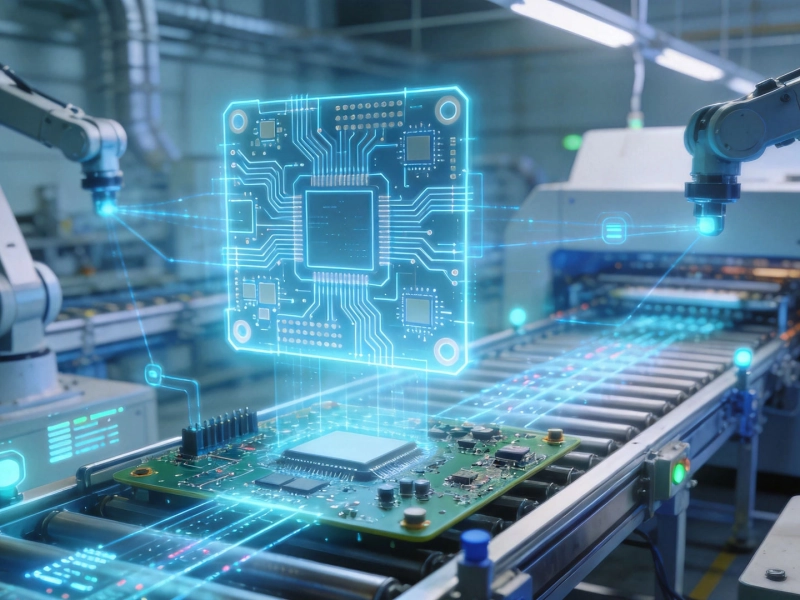
The Evolution of Digital Twins in PCB Assembly Process ControlJuly/13/2026
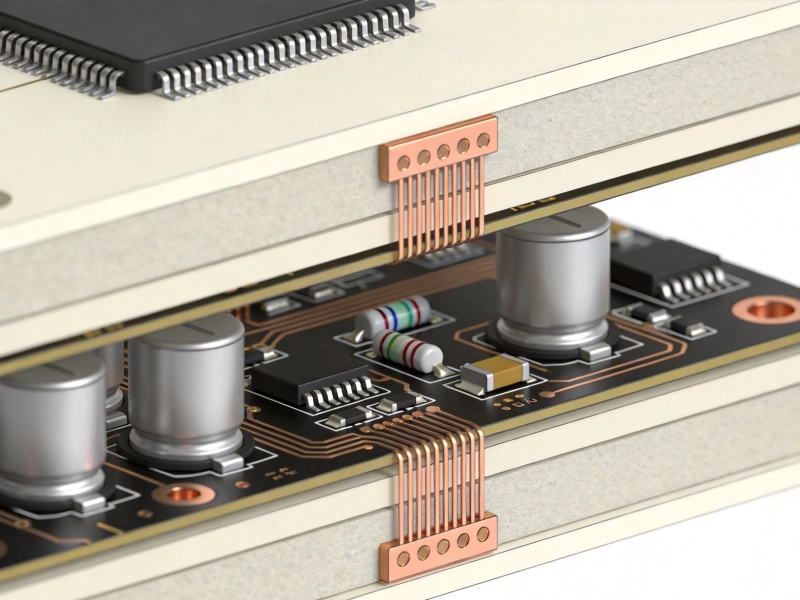
Embedded Component Technology: The Future of Ultra-Compact BoardsJuly/29/2026
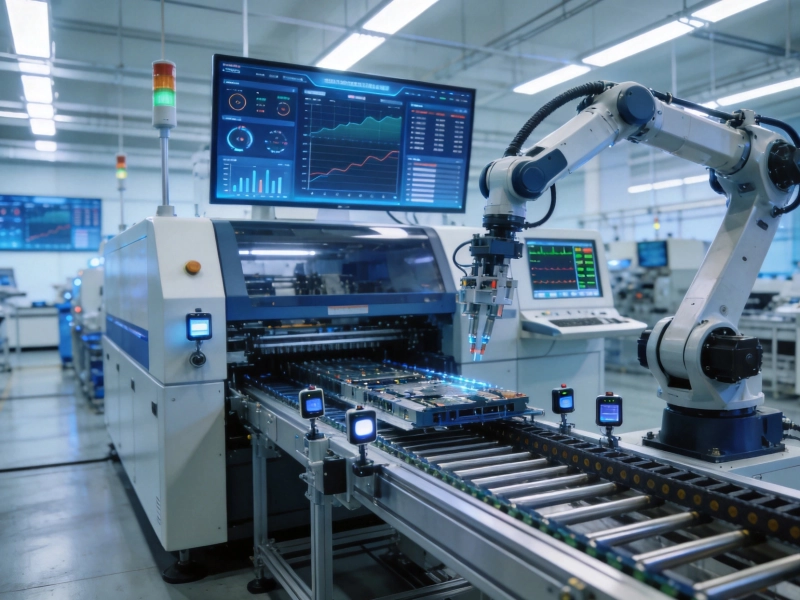
Predictive Maintenance in SMT Lines: Preventing Defects Before They HappenAugust/07/2026

The Growing Importance of Traceability and Blockchain in PCBAAugust/12/2026
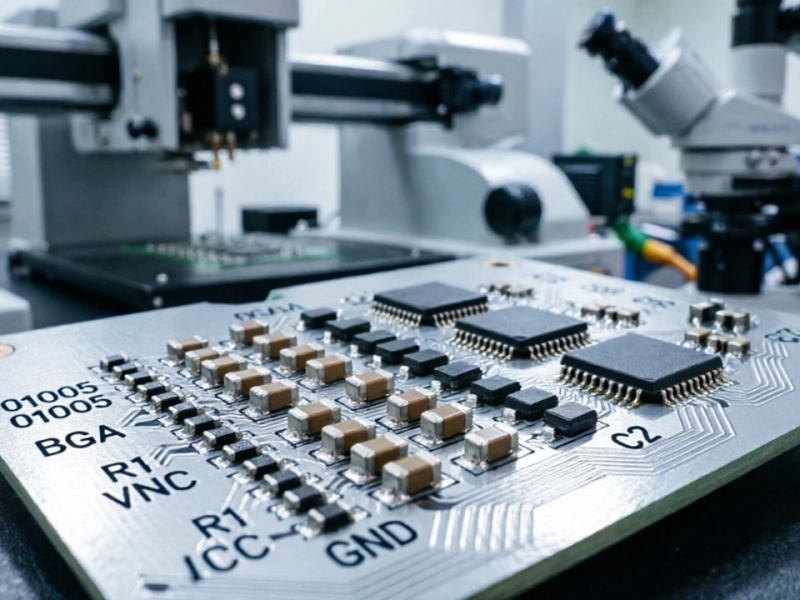
Handling 01005 Components and Micro BGAsJune/03/2026

Advanced Thermal Management Solutions for High-Power AI ChipsSeptember/07/2026
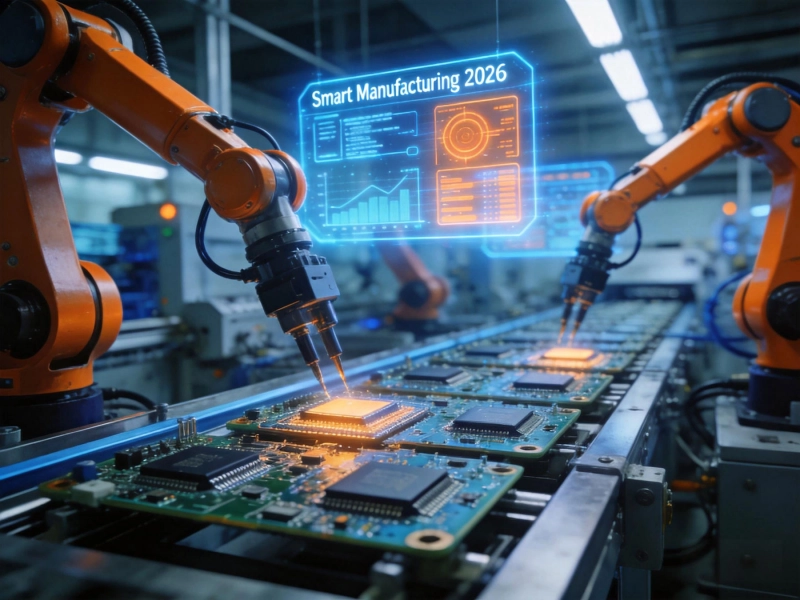
Top 5 PCB Assembly Trends Shaping the Industry in 2026May/22/2026