

The concept of a digital twin—a virtual replica that mirrors a physical asset in real-time—has transformed from an academic idea into a practical necessity for modern Electronics Manufacturing. In pcb assembly facilities worldwide, digital twin technology is reshaping how engineers design processes, optimize production, and predict quality outcomes before any physical board reaches the assembly line.
This evolution represents more than incremental improvement. Digital twins are fundamentally changing the relationship between design intent and Manufacturing reality, enabling unprecedented visibility into process dynamics and creating feedback loops that continuously improve production performance.
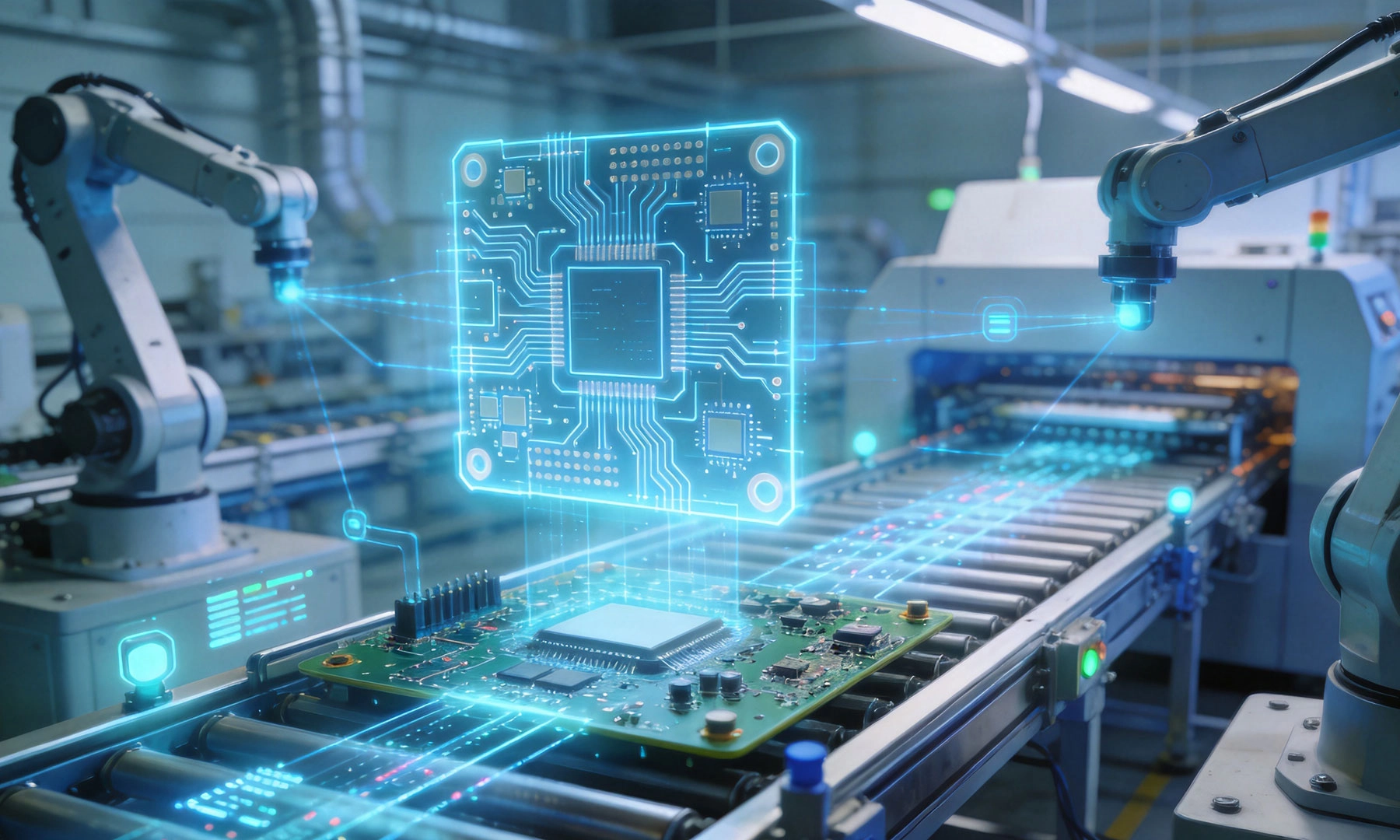
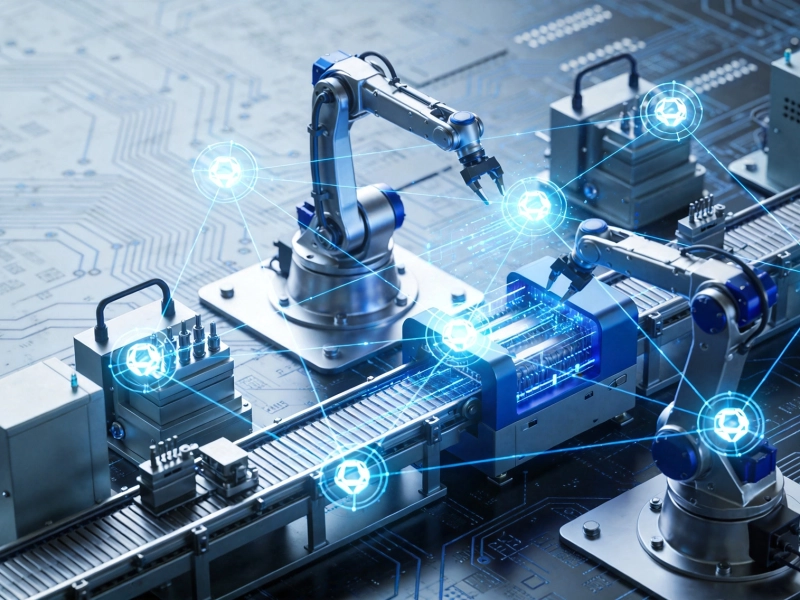
A digital twin in pcb assembly creates a comprehensive virtual representation of the production environment. This includes not just individual equipment models, but the entire interconnected system of machines, materials, processes, and outcomes. The twin ingests real-time data from sensors, MES systems, and quality inspection equipment, maintaining a living model that evolves alongside physical production.
Unlike traditional simulation tools that analyze static scenarios, digital twins operate continuously—updating their models as production conditions change, learning from historical patterns, and predicting future outcomes based on current parameters. This dynamic quality distinguishes digital twins from earlier generation planning and simulation approaches.
Effective digital twins integrate multiple data domains:
When these components combine, the digital twin becomes a comprehensive production simulator that can predict outcomes, diagnose problems, and recommend optimizations in real-time.
The earliest precursor to digital twins appeared in process simulation software used during Manufacturing planning. Engineers could model solder reflow profiles, placement accuracy requirements, and inspection coverage before setting up production lines. These simulations ran offline—separate from actual production—and provided valuable insights but lacked real-time connection to manufacturing operations.
Tools like Thermal Profiling software and placement simulation helped engineers design better processes, but they couldn't adapt to changing conditions during production. The simulation results represented idealized scenarios that often diverged from actual manufacturing outcomes.
The second stage brought digital models to individual equipment. Smt Placement machines began incorporating modeling capabilities that predicted placement accuracy based on component characteristics, Pcb conditions, and environmental parameters. Reflow oven manufacturers introduced thermal models that predicted solder joint quality based on temperature profiles.
However, these equipment-level models operated in isolation from broader process context. A placement machine might optimize its own performance but couldn't account for downstream inspection challenges or upstream stencil printing variations that affected overall quality.
The breakthrough came when digital twins expanded from equipment to entire production lines. MES systems began integrating individual equipment models into holistic simulations that could trace defects across process steps, identify root causes, and enable comprehensive optimization rather than isolated machine adjustments.
This stage introduced the concept of virtual commissioning—testing new product setups entirely in the digital domain before committing physical materials. Engineers could validate entire production flows, identify potential problems, and adjust parameters without expensive trial runs on actual hardware.
The fourth generation transformed digital twins from descriptive models into predictive systems. By layering Machine Learning on top of physics-based models, AI-enhanced twins could forecast outcomes, predict maintenance needs, and flag risks before problems materialized.
These predictive twins leverage historical production data to recognize patterns invisible to traditional analysis. When a defect occurs in actual production, the twin automatically updates its models and alerts engineers to similar risks across all active production runs.
The current frontier involves twins that not only predict but automatically adjust parameters to optimize outcomes. Connected directly to equipment control systems, these autonomous twins modify reflow profiles, adjust placement parameters, and tune inspection thresholds—all while continuously learning and improving their predictive accuracy.
This represents realization of the Industry 4.0 vision: production systems that operate with minimal human intervention while achieving superior quality and efficiency through continuous self-optimization.
Without digital twins, New Product Introduction required trial runs—test boards, adjustment iterations, and repeated sampling to validate process settings. This trial-and-error approach consumed time, materials, and Engineering Resources while delaying product launches.
Virtual commissioning transforms NPI entirely. Engineers import CAD data, BOM information, and equipment specifications into the digital twin, which then simulates the complete production process. The twin identifies potential problems: placement limitations, thermal profile risks, inspection coverage gaps. Engineers adjust parameters in the virtual environment and validate improvements before any physical production begins.
Implementation reports indicate virtual commissioning reduces NPI trial cycles by 50% to 80%, compressing Time-to-market from weeks to days while eliminating material waste from unsuccessful trial runs.
Digital twins continuously compare predicted outcomes against actual results. When deviations emerge, the twin immediately flags anomalies for engineering attention. This capability transforms Quality Management from retrospective inspection to proactive detection.
Consider a scenario where solder paste volume gradually drifts below specification. A traditional quality system might detect this problem only after Aoi Inspection finds insufficient solder joints—by which time dozens of boards have been affected. A digital twin receiving real-time SPI data recognizes the trend immediately, predicting that defect rates will increase if the drift continues, and recommends stencil cleaning or parameter adjustment.
This predictive approach prevents quality escapes rather than detecting them after defective boards have been produced.
When defects occur, traditional analysis examines each process step individually. Engineers hypothesize root causes and test theories experimentally. Digital twins provide comprehensive correlation across the entire production chain.
The twin maintains records of every parameter at every step for every board. When defects cluster at particular production times or locations, the twin analyzes correlations across all variables: Was a specific machine experiencing vibration? Did ambient temperature spike? Did material lot characteristics change?
This cross-process visibility enables root cause identification that would be impossible with traditional systems limited to individual equipment records.
Digital twins don't just monitor production—they track equipment health. By analyzing parameters like motor current, pneumatic pressure, positioning accuracy, and inspection camera performance, twins can predict when equipment will require maintenance before failures cause quality problems or unplanned downtime.
This Predictive Maintenance capability enables planned interventions during production gaps rather than emergency repairs that disrupt schedules. Equipment uptime improves while maintenance costs decrease through prevention rather than reaction.
Building effective digital twins requires integrating data from diverse sources: CAD systems, BOM databases, equipment controllers, MES platforms, inspection instruments, environmental sensors. Each source uses different data formats, communication protocols, and update frequencies. Creating unified data flows presents significant engineering challenges.
Successful implementations adopt middleware platforms that normalize data formats and provide unified access across all production systems. Industry-standard protocols like OPC-UA facilitate connectivity, while MES integration platforms bridge between equipment-level data and enterprise systems.
Accurate digital twins require models that faithfully represent physical processes. Models based on assumptions that don't match reality generate misleading predictions that undermine confidence in twin recommendations. Building accurate models demands substantial engineering investment and ongoing validation against production results.
Best practices involve starting with well-understood process steps, validating predictions against measured outcomes, and gradually expanding scope as confidence builds. Regular comparison between twin predictions and actual results identifies where models need refinement.
Digital twins transform how engineers work. Instead of relying on experience and intuition, engineers must trust twin predictions and interpret model outputs. This cultural shift requires training, demonstration, and organizational commitment to twin-driven decision making.
Organizations that successfully implement digital twins typically begin with non-critical applications where building trust doesn't risk production quality. Once engineers recognize twin value through demonstrated results, adoption expands to production-critical applications.
The trajectory of digital twin evolution points toward factories where twins manage production autonomously. In these environments, the twin:
This autonomous manufacturing vision is advancing rapidly. Industry leaders already implement twins that control production scheduling, adjust process parameters, and manage material flows without human intervention. The progression suggests fully autonomous production management will become practical within the next decade for Electronics Manufacturing facilities.
The evolution of digital twins in Pcb Assembly represents a fundamental shift in manufacturing philosophy—from reactive problem-solving to proactive optimization, from isolated equipment management to integrated process intelligence, from human-driven decisions to AI-enhanced predictions.
For electronics manufacturers, digital twins offer compelling benefits: faster NPI cycles, higher quality yields, reduced material waste, and more effective equipment utilization. The technology has matured from theoretical concept to practical tool, with proven implementations delivering measurable improvements in production operations.
As Industry 4.0 advances, digital twins will become essential infrastructure for electronics manufacturing. Organizations that invest in building robust digital twin capabilities today position themselves for success in the automated, optimized, intelligent manufacturing environment of tomorrow.
Traditional simulation analyzes static scenarios with fixed parameters. Digital twins operate continuously, updating their models with real-time production data and predicting outcomes based on current conditions. The twin represents actual, dynamic production states rather than idealized, static scenarios.
Essential data includes CAD files (PCB layout, component placements), BOM data (component specifications, quantities), MES production records (process parameters, routing), equipment telemetry (machine status, calibration data), inspection results (SPI, AOI, X-ray measurements), and environmental monitoring (temperature, humidity).
Implementation timelines depend on scope. Equipment-level twins for single process steps might require 3-6 months. Production line integration typically needs 12-18 months for full data integration and model validation. Factory-wide autonomous twins require 2-3 years for complete deployment and organizational adaptation.
Yes. While large-scale digital twin infrastructure requires significant investment, smaller implementations offer substantial benefits. Cloud-based twin services reduce infrastructure costs, while targeted applications—virtual commissioning for NPI or Predictive Maintenance for critical equipment—provide returns without full factory deployment.
Key risks include data quality issues that undermine model accuracy, over-reliance on predictions without validating against actual results, organizational resistance to twin-driven decision making, and excessive investment in scope that exceeds practical needs. Addressing these risks requires incremental deployment with continuous validation.
AI-Driven Manufacturing: How Smart Factories are Improving PCBA YieldJuly/02/2026
Predictive Maintenance in SMT Lines: Preventing Defects Before They HappenAugust/07/2026
Advanced Thermal Management Solutions for High-Power AI ChipsSeptember/07/2026
Green Manufacturing: Reducing Carbon Footprint in PCB Assembly PlantsSeptember/14/2026
Flexible and Rigid-Flex PCBs: Meeting the Demand for WearablesJuly/21/2026
Handling 01005 Components and Micro BGAsJune/03/2026
Embedded Component Technology: The Future of Ultra-Compact BoardsJuly/29/2026
The Growing Importance of Traceability and Blockchain in PCBAAugust/12/2026