


Somewhere between your product roadmap and your shipping dock, there's a chip. Maybe it's a microcontroller that controls your product's core function. Maybe it's a power management IC that's been on allocation since Q3. Maybe it's a connector that's suddenly 52 weeks out, when last year it was 8. The global electronics Supply Chain has been living with shortages since roughly 2020, and while the worst of the crisis has eased, the era of "just order more" as a Supply Chain strategy is gone for good. Companies that thrived through the shortage years weren't lucky. They were strategic. And the playbook they developed is now part of the permanent operating manual for anyone building hardware that matters.
Before diving into solutions, it's worth being honest about what changed and what didn't. The 2021–2023 semiconductor shortage reshuffled the assumptions that procurement teams had built their processes around. The assumption that any standard component would be available within standard lead times died. The assumption that distributor stock was reliable died. The assumption that pricing was relatively stable—that you'd pay roughly the same for a chip this year as last—also took damage.
What emerged instead is a market characterized by persistent volatility in specific categories, longer baseline lead times across many component types, and a structural shift in how buyers and sellers relationship-manage their supply chains. Even as overall availability has improved, the disruptions are more frequent, more category-specific, and harder to predict than they were before 2020. A single fab fire, a geopolitical event, or a surge in demand for AI-related hardware can put specific component categories into shortage within weeks.
The companies that handled this best shared one characteristic: they stopped treating procurement as a transactional function and started treating it as a strategic capability. That shift—in mindset and in practice—is where alternative sourcing strategies begin.
The instinct when a component goes scarce is to buy everything available from the first distributor who has stock. This is understandable but strategically weak. It creates dependency on a single source, exposes you to that distributor's fulfillment reliability, and often means paying whatever the spot market is charging on that particular day.
Distributor diversification means building relationships with multiple franchised distributors, authorized resellers, and independent distribution partners—and using them proactively, not just when you're in crisis mode. Each distributor has different inventory positions at different times, different relationships with specific manufacturers, and different pricing structures. A component that's overpriced at DigiKey might be at standard pricing at Mouser. A chip that's out of stock everywhere franchised might be available from an authorized independent reseller with traceable provenance.
The key to making this work is qualification before you need it. Every distributor in your network should be vetted for Component Authenticity, quality systems, and traceability documentation. Using an unvetted distributor for the first time in the middle of a shortage crisis is how companies end up with counterfeit components—and those create field failures that cost far more than the price premium they were trying to avoid.
Maintain an approved vendor list (AVL) with at least 3 qualified sources for every critical component. Review and update the AVL quarterly. Include a mix of global franchised distributors (DigiKey, Mouser, Arrow, Avnet), regional specialists (who often have better availability in specific geographies), and authorized independent resellers with proven traceability systems.
This is the strategy that saves the most projects long-term—and the one most companies underinvest in until they're already in trouble. Substitute component engineering means designing your product and building your BOM process to accommodate functional equivalents and pin-compatible alternatives for critical components before those components become scarce.
Pin-compatible alternatives are components from different manufacturers that share the same package type, pinout, and electrical specifications. If your product uses a specific op-amp in a SOT-23-5 package, a pin-compatible alternative from a different manufacturer can drop in without any board or firmware changes. This requires upfront design work to identify compatible parts and verify them against your electrical requirements—but it means that when the preferred part goes on allocation, you have an immediate path to continuation.
Functional equivalents are more complex: parts that serve the same purpose but may require some design modification. A different switching regulator with similar electrical characteristics might work in your design but require a change to the compensation network or a firmware adjustment to match the register map. This takes more engineering time but opens up significantly more supply options.
Not all "equivalent" parts are actually equivalent. Datasheet specs can mask subtle differences in behavior under specific conditions. Always verify alternatives against your actual operating conditions—not just the nominal specifications. A regulator with a 3.3V output spec might have different line/load regulation behavior that matters for your specific application. Do the engineering work. Don't just trust the marketing "drop-in replacement" claim.
End-of-life (EOL) notices are the supply chain's version of a weather warning: they give you advance notice of an approaching problem, but only if you're paying attention. When a semiconductor manufacturer announces EOL for a component, the window to place last-time buys is typically 6 to 12 months before final shipment—and that window closes whether or not you've acted.
Companies that have built EOL monitoring into their procurement process use distributor and manufacturer notifications, component lifecycle databases, and proactive BOM reviews to identify approaching EOL events months before they affect their supply chain. When a last-time buy window opens, they have already calculated how much stock they need to cover their product lifetime—plus a buffer—and they place the order.
The cost of a last-time buy is real: you're paying for inventory that may sit in your warehouse for years, tying up working capital and taking storage space. But the alternative—being forced to re-engineer a product around a new component when the old one disappears—costs more. The engineering time alone for a re-design, requalification, and regulatory re-certification (for regulated industries) typically exceeds the carrying cost of the last-time buy buffer stock by a large margin.
Same logic applies to pre-emptive buying ahead of anticipated allocations. If you have visibility into demand surges, geopolitical risks, or fab capacity constraints affecting a component category you depend on, buying ahead of the shortage is almost always cheaper than buying during it.
The best time to solve a component shortage is before it becomes one. Component lifecycle intelligence is the practice of monitoring availability signals across your BOM on an ongoing basis—not just when you're placing orders—and using that data to anticipate problems before they hit your production schedule.
This includes: monitoring distributor inventory levels for critical components (most franchised distributors expose real-time stock via API or their website), tracking EOL notices and NRND (Not Recommended for New Design) notifications from manufacturers, watching demand signals in the broader market (semiconductor industry associations, market research, manufacturer capacity announcements), and tracking lead time trends for your component categories.
Companies with mature supply chain intelligence systems set automated alerts: when stock for a critical component drops below a threshold across all tracked distributors, when a manufacturer issues an EOL notice for a part on their BOM, when lead times for a component category extend beyond a defined maximum. The signal triggers a sourcing review and contingency planning—substitute parts, last-time buys, or alternative design work—while there's still time to act without disrupting production.
This is also where Bom Management discipline pays off. Out-of-date BOMs—where engineering has made silent changes that weren't propagated to procurement—are a supply chain's worst enemy. A BOM that says "STM32F405" when engineering has actually moved to "STM32F407" means procurement is tracking availability for the wrong part, and the EOL notice for the F405 catches you by surprise.
Companies using Turnkey PCB Assembly—where the Ems Provider sources all components as part of the service—gained a significant supply chain advantage during the 2021–2023 shortage that partially explains why some companies continued shipping while others stopped. Turnkey providers maintain aggregate demand visibility across their entire customer base, which gives them earlier visibility into component availability trends than individual buyers typically have.
More importantly, turnkey providers have established allocation relationships with major distributors and manufacturers that give them priority access to constrained components. When a chip goes on allocation, distributors allocate to their highest-volume customers first—and an Ems Provider buying thousands of units per month across multiple programs is a higher-priority customer than an individual company buying a few hundred units.
Turnkey doesn't eliminate supply chain risk, but it shifts and partially absorbs it. Your provider absorbs the procurement complexity of managing multiple distributors, monitoring availability, and resolving substitutions. In exchange, you get more predictable pricing (providers hedge component costs across their volume), shorter lead times (parallel processing of board fab and Component Procurement), and a single point of accountability when availability problems arise.
The component shortage years revealed that companies with turnkey EMS relationships had significantly fewer supply chain-driven production stoppages than those managing Component Procurement independently. The reasons were both structural (allocation priority) and behavioral (turnkey providers monitor lifecycle data as part of their standard process). This isn't an argument that turnkey is always better—but it's a strong argument that supply chain capability matters as much as ownership structure.
Use standard packages over proprietary ones. A microcontroller in a standard TQFP-32 package has hundreds of potential sources. One in a custom wafer-level chip-scale package has one source—its manufacturer—and when they have a problem, you have a problem. Standard packages aren't always possible, especially for high-density applications, but where you have a choice, standard beats proprietary on Supply Chain Resilience every time.
Specify at the functional level, not the manufacturer level. BOMs that specify "Texas Instruments TPS62933" rather than "any DC-DC buck converter, 3A output, 2.5V–17V input, adjustable output" unnecessarily restrict your sourcing options. Where electrical performance requirements allow, specify the function and the specification, not the specific part number. This keeps your options open and your supply chain flexible.
Build modularity into your architecture. Products designed with modular sub-systems—swappable power modules, replaceable radio modules, socketed processors—are far more resilient to component shortages than products where everything is integrated onto a single board. A shortage of a specific power management IC on your main board might halt production entirely; a shortage of the power module means you qualify an alternative module and keep building.
Accept slightly higher component counts for broader sourcing. Sometimes a design that uses two standard chips can be replaced with a single more-integrated chip that has fewer sourcing options. The integration saves board space and BOM cost—but narrows your supply chain. This tradeoff deserves explicit engineering discussion, not unconscious default.
Identify the full impact across your BOM. Check availability at all distributors—not just your primary source. Quantify your exposure in weeks of inventory. Determine your critical path: which component shortage stops production first, and when does that happen?
Contact all qualified alternative sources. Request quotes and availability for substitute parts. If pin-compatible alternatives exist, initiate engineering verification. For functional equivalents, engage your design team on required changes and timeline.
Place orders for available stock at all qualified sources—even at higher prices for immediate needs. Begin formal EOL/last-time buy evaluation if applicable. If redesign is required, scope the work and get it into the engineering queue with production impact context.
After the immediate crisis is resolved, conduct a root cause review. Why were you exposed? What signals did you miss? Update your AVL, add substitute parts to your BOM, implement lifecycle monitoring, and adjust your design for supply chain flexibility if needed. Don't let the same shortage catch you twice.
The companies that emerged from the semiconductor shortage years with their production schedule intact and their customer relationships intact didn't get there by accident. They had built Supply Chain Resilience as a capability, not as a crisis response. The strategies above aren't new—the good procurement teams have been practicing most of them for decades. What changed is that the consequences of not practicing them became visible to everyone in the organization.
Supply chain resilience isn't a one-time project. It's a continuous practice: monitoring, qualifying sources, designing for flexibility, maintaining buffer stock for critical components, and building relationships with providers who can absorb complexity when it arrives. The goal isn't to eliminate supply chain risk—that's impossible in Electronics Manufacturing. The goal is to reduce the probability that a shortage becomes a production stoppage, and to reduce the impact when it does.
That goal is achievable. The companies doing it well are shipping. The ones still waiting for "normal" to return are still waiting.
Whether you're managing your own component procurement or working with a turnkey EMS partner, the principles of supply chain resilience apply. Our team has navigated component shortages across hundreds of programs and understands both the strategic frameworks and the tactical responses that keep production running. Share your BOM and current supply chain challenges for a sourcing assessment and discover what resilience looks like for your specific product.
Start with the distributors' cross-reference tools—DigiKey, Mouser, and Arrow all maintain part-to-part compatibility databases. For active components, focus on pin-compatible and functional equivalent parts from manufacturers who share the same process technology. Use parametric search to identify candidates that match your electrical specifications, then verify them against your actual operating conditions, not just datasheet nominals. If you're working with a turnkey EMS provider, they handle this as part of their sourcing service—they have the engineering depth to evaluate substitutes quickly and the supplier relationships to source them.
It depends on the component's criticality to your product, its lead time, the volatility of its availability, and your tolerance for production risk. A rule of thumb that works for many companies: stock enough to cover your production needs during the component's maximum observed lead time, plus a buffer of 2–4 weeks for demand variability. For highly critical components with histories of shortage, companies often add an additional strategic buffer—sometimes covering 3–6 months of demand. The carrying cost of that inventory is almost always less than the cost of a production stoppage.
Spot market buying has a time and a place—and a significant set of risks. During an acute shortage, spot market availability can keep your production line running when franchised distribution is empty. The price premium is real, but sometimes unavoidable. The risks: counterfeit components are more common in spot market transactions than in franchised distribution, traceability is often incomplete or nonexistent, and the spot market can be even more volatile than the allocation market in the other direction—buying excess at peak prices can create its own financial problems. Use spot market purchasing for immediate needs to bridge a supply gap, not as your primary sourcing strategy, and only from vetted sources with verified traceability.
Several pathways work: register with manufacturer notification programs—most major semiconductor manufacturers offer email notifications when parts on your "watch list" approach EOL or go NRND. Subscribe to distributor lifecycle management services—DigiKey, Mouser, and Arrow all offer proactive EOL and NRND notifications for parts you purchase or watch. Use third-party lifecycle databases that aggregate manufacturer notices. And build a quarterly BOM review process where your procurement team systematically checks the availability status of all components on your active BOMs. The combination of automated notifications and periodic manual review is more reliable than either alone.
Turnkey Assembly provides meaningful supply chain protection through the provider's allocation priority, aggregate demand visibility, and proactive lifecycle management—but it's not absolute protection. If a specific component goes on global allocation with no available substitute and no provider has allocation priority, even turnkey customers face delays. What turnkey changes is the probability of that scenario and the burden of managing it when it occurs. A turnkey provider with strong supplier relationships and broad design flexibility is better positioned to find alternatives quickly than an individual company managing procurement independently. But the best protection is still designing for supply chain flexibility from the start—standard packages, functional BOM specifications, modular architecture—so that shortages, when they occur, have engineering workarounds available.

Solving the Challenge of High-Density Interconnect (HDI) AssemblyMay/22/2026
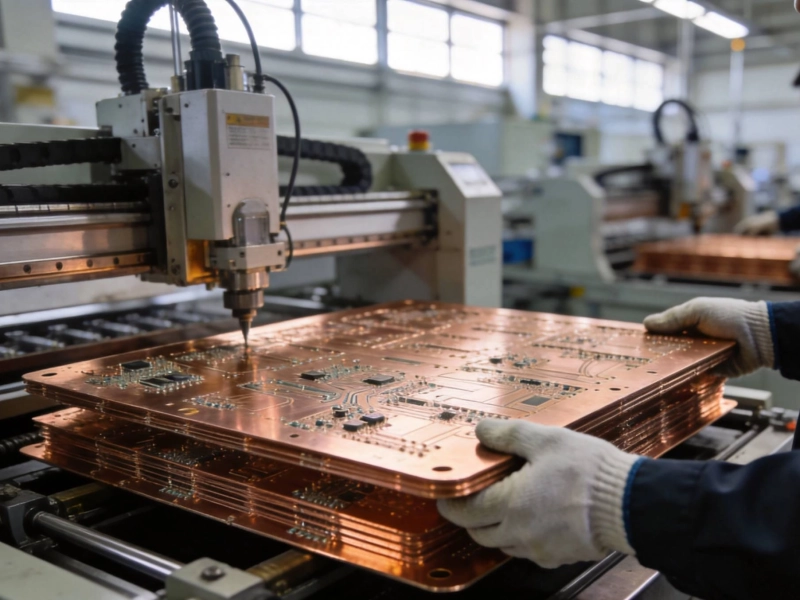
Solutions for Assembling Heavy Copper PCBs in Industrial ApplicationsJune/27/2026

Cost-Reduction Strategies Without Compromising PCBA QualityJuly/09/2026
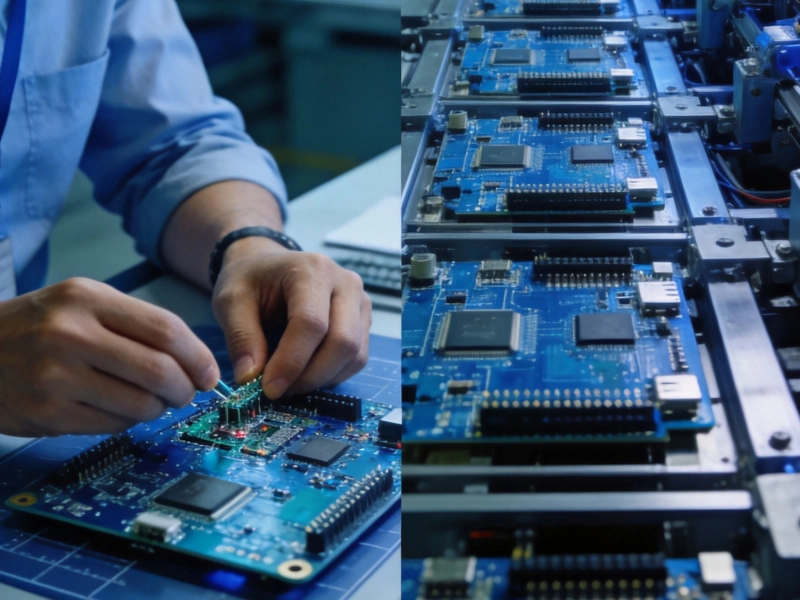
Bridging the Gap Between R&D Prototypes and Stable Mass ProductionJuly/27/2026
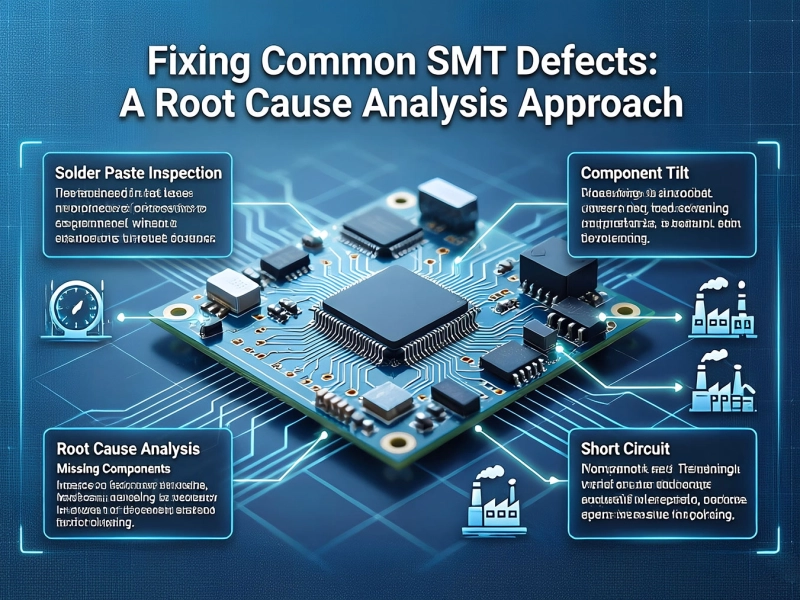
Fixing Common SMT Defects: A Root Cause Analysis ApproachJune/11/2026
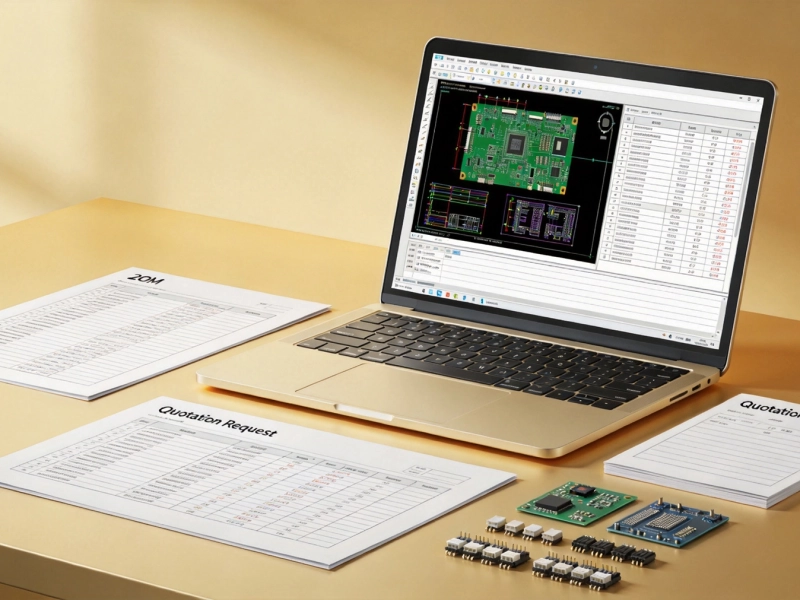
Requesting a Quote: A Step-by-Step Walkthrough for New ClientsSeptember/17/2026
Turnkey vs. Consignment PCB Assembly: Which Model Fits Your Project?August/08/2026
Solving Assembly Stress Issues in Large and Thin PCBsSeptember/09/2026