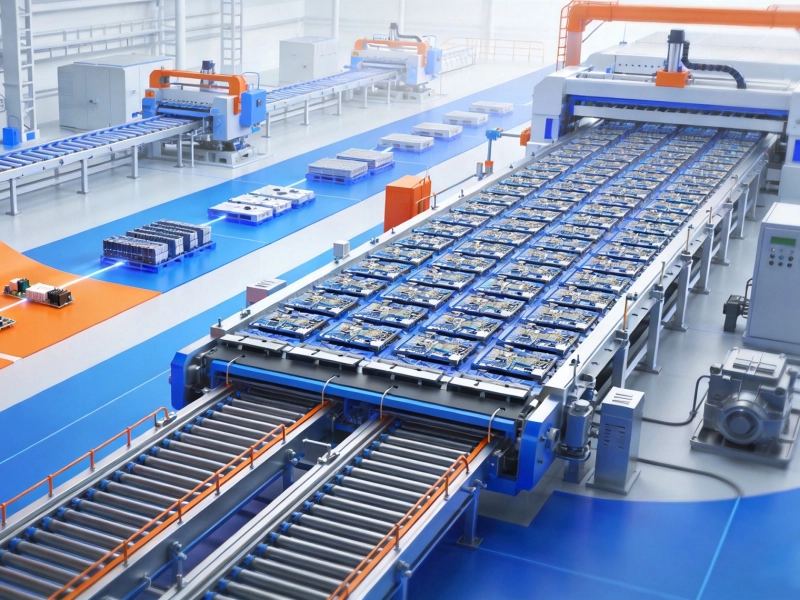
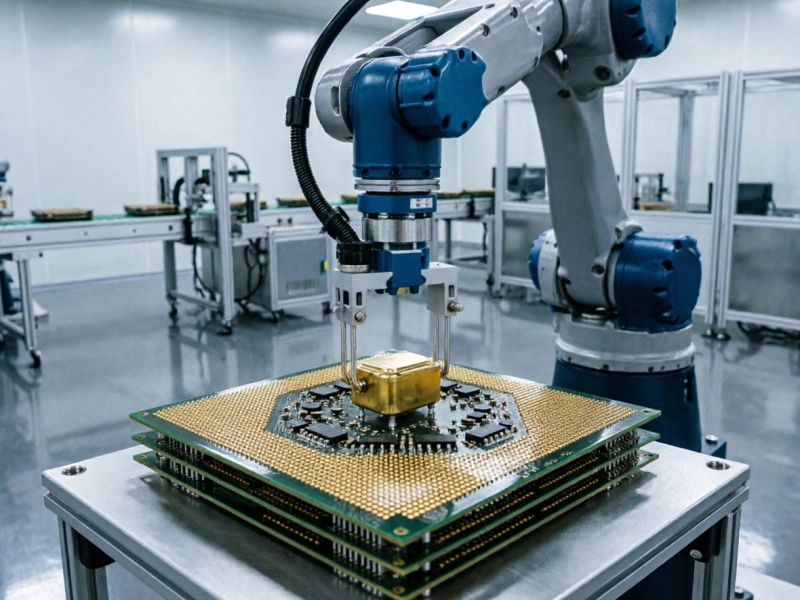
The global pcb assembly industry is undergoing a transformation unlike anything seen in decades. As artificial intelligence reshapes computing infrastructure and electric vehicles redefine transportation, the humble printed circuit board finds itself at the center of unprecedented demand patterns. For industry observers, procurement professionals, and electronics manufacturers, understanding the widening divergence between low-end and high-end pcb assembly markets has become essential for strategic planning and competitive positioning.
The Pcb Assembly market, valued at nearly $850 billion globally in 2025, is no longer a monolithic industry where volume and cost determine success. Instead, a pronounced K-shaped recovery has emerged: high-end segments serving AI servers, advanced automotive systems, and communications infrastructure are experiencing explosive growth with extended lead times and premium pricing, while low-end segments serving consumer electronics and basic industrial applications face commoditization pressures and intense competition. This bifurcation presents both challenges and opportunities depending on where you operate in the value chain.

Understanding the Market Bifurcation
The Pcb Assembly industry has always encompassed diverse segments, but the gap between high-end and low-end performance has never been more pronounced. Several converging forces have accelerated this divergence, creating distinct market dynamics that require different strategic approaches.
Demand Drivers in High-End Segments
High-end Pcb assembly serves applications where performance specifications far exceed cost considerations:
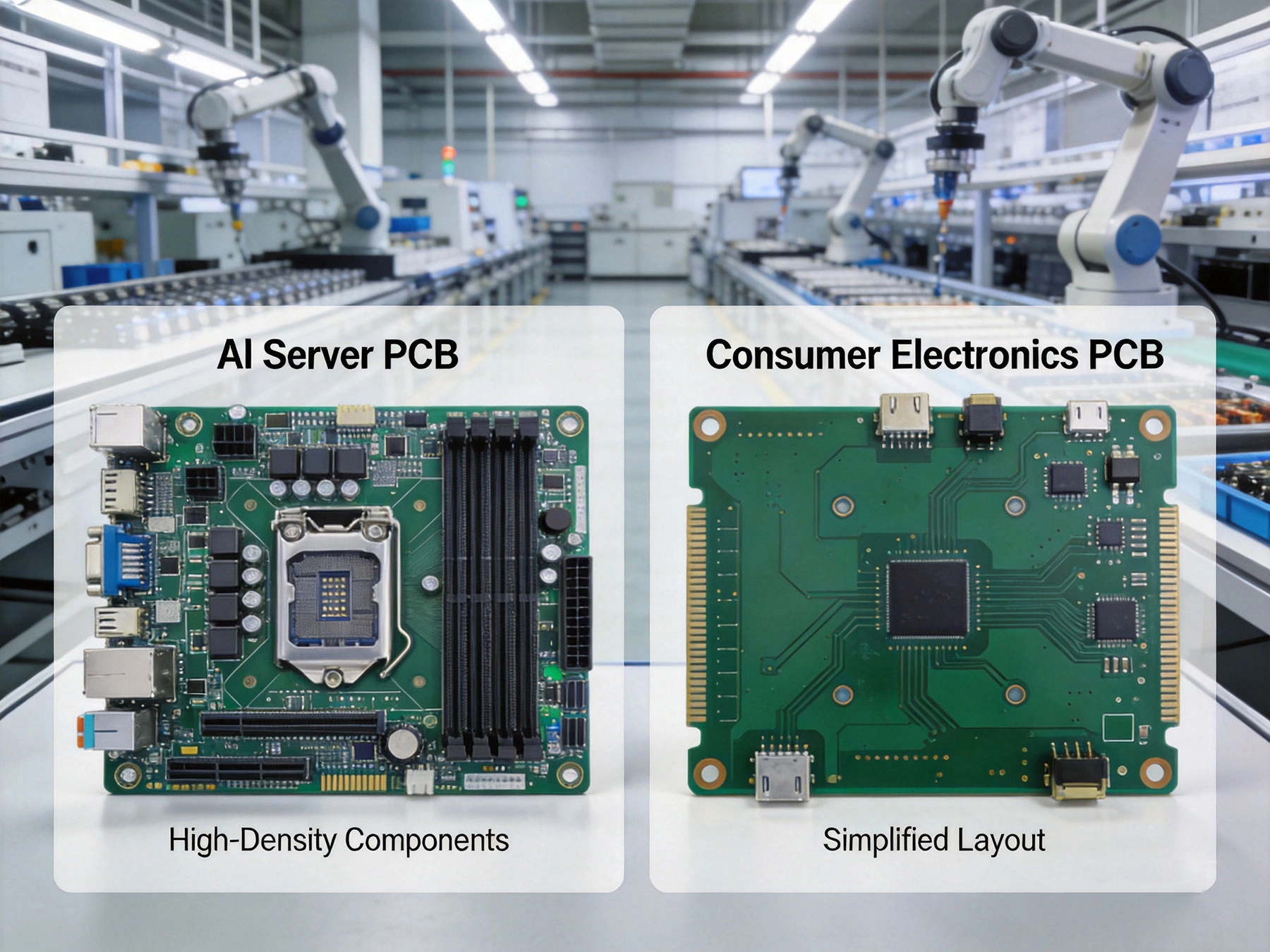
- Ai Server Infrastructure: The massive build-out of AI computing infrastructure has created insatiable demand for multi-layer, high-frequency PCBs with advanced Thermal Management. A single AI server requires five to eight times more Pcb value than a traditional server, and demand continues to outpace supply by significant margins.
- Advanced Automotive Electronics: Electric vehicles and autonomous driving systems require sophisticated PCBs for battery management, power conversion, and sensor processing. Premium EVs contain $300-600 in PCB value compared to $100-150 for conventional vehicles.
- 5G and emerging communications: Base station equipment, optical modules, and network switches demand high-frequency materials and precise impedance control that command premium pricing.
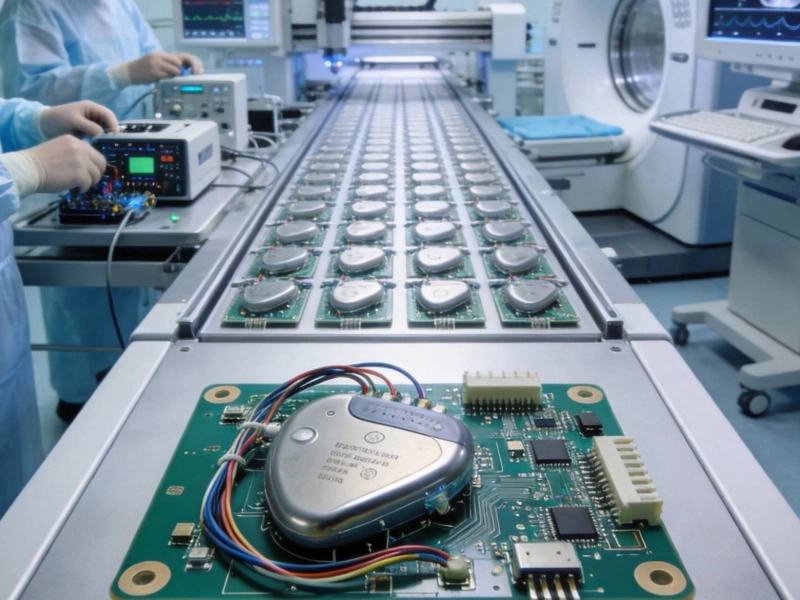
- Medical and industrial automation: These sectors prioritize reliability and longevity over cost, supporting stable margins for quality-focused manufacturers.
Low-End Market Realities
Conversely, low-end PCB assembly markets face persistent pressures:
- Consumer electronics commoditization: Basic smartphones, accessories, andIoT devices drive enormous volumes but at shrinking margins as competition intensifies
- Overcapacity in mature technologies: Standard multi-layer boards and rigid-flex assemblies face chronic supply gluts
- Price sensitivity: Buyers in these segments prioritize cost reduction over performance innovation
- Regional competition: Manufacturing capacity in Southeast Asia and China continues expanding, intensifying pricing pressure
AI Server PCB: The New Growth Engine
No discussion of high-end PCB markets can ignore the transformative impact of AI infrastructure buildout. The numbers are staggering: AI server PCB demand grew over 100% in 2025 and shows no signs of slowing.
Technical Requirements Driving Value
AI servers demand PCBs that push technological boundaries:
- Layer count escalation: Traditional servers use 8-12 layer boards, while AI servers require 20-40 layers, with the most advanced platforms utilizing 70+ layer constructions
- Advanced materials: M9-grade ultra-low-loss substrates, specialized resins, and premium copper foils increase material costs fivefold compared to standard materials
- Precision requirements: Impedance tolerance of ±5% or tighter, controlled impedance at speeds up to 224 Gbps
- Thermal Management: Sophisticated thermal vias, metal substrates, and heat dissipation structures
Supply Constraints and Lead Times
The supply-demand imbalance in high-end PCBs has created extended lead times rarely seen in the industry:
- Typical lead times for advanced AI server PCBs now extend to 12-20 weeks
- Some manufacturers have stopped accepting new orders due to capacity constraints
- Price increases of 5-10% per quarter have become common
- Customers are placing deposits and signing long-term agreements to secure allocation
Automotive Electronics: Steady High-Growth
While AI servers dominate headlines, Automotive Pcb Assembly quietly delivers consistent high growth backed by structural demand drivers rather than cyclical AI hype.
The Electric Vehicle Opportunity
Electric vehicle adoption continues accelerating globally, with PCB content per vehicle expanding significantly:
- Battery management systems: Require high-current handling PCBs with precise monitoring capabilities
- Power electronics: Inverters and converters need heavy copper boards and thermal management
- Autonomous driving sensors: Lidar, radar, and camera systems demand high-frequency boards with reliable performance
- Infotainment and connectivity: High-speed data routing and display driving require advanced HDI boards
Certification Barriers Create Margin Protection
Unlike consumer electronics, automotive PCBs require extensive certification:
- Iatf 16949 Quality Management certification
- Zero-defect quality targets for safety-critical systems
- Extended product lifecycle support requirements
- Detailed traceability and documentation
These requirements filter out casual competitors and support healthy margins for qualified manufacturers.
Low-End Market Dynamics
For manufacturers positioned in low-end segments, the market presents distinct challenges and requires different strategic responses.
Commoditization Pressures
Low-end PCB assembly markets face structural headwinds:
- Capacity oversupply: New Manufacturing facilities in Vietnam, Thailand, and elsewhere continue adding capacity
- Price transparency: Online marketplaces make price competition transparent and relentless
- Standardization: Mature technologies leave little room for differentiation
- Margin compression: Average selling prices decline 2-4% annually while input costs fluctuate
Survival Strategies
Manufacturers serving low-end markets have pursued various survival strategies:
- Cost leadership: Achieving the lowest cost position through automation and scale
- Vertical integration: Moving upstream into component manufacturing or downstream into finished products
- Geographic positioning: Establishing facilities in low-cost regions to compete on landed cost
- Niche focus: Identifying underserved segments where volume requirements are lower but competition is less intense
Technology Trends Reshaping Both Segments
Despite the market bifurcation, certain technology trends affect both high-end and low-end segments.
Miniaturization Continues
Component sizes continue shrinking across the industry:
- 01005 Components have become standard in most production
- 008004 components are emerging for ultra-compact applications
- Bga and CSP packages with 0.4mm and finer pitches require advanced assembly capabilities
Material Innovation
Material advances benefit both segments:
- Lead-free and halogen-free materials are now baseline requirements
- High-frequency materials for RF applications are becoming more accessible
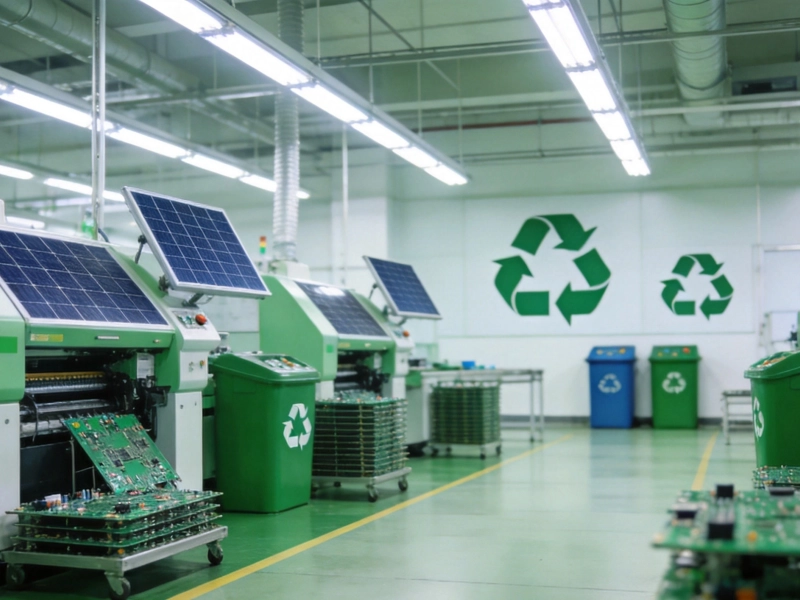
- Environmental Compliance drives material substitution across all segments
Strategic Implications for Stakeholders
Understanding the low-end versus high-end split has practical implications for different industry participants.
For Procurement Professionals
Sourcing strategies should segment based on application requirements:
- High-performance applications: Qualify multiple suppliers, negotiate long-term agreements, and plan lead times extending to six months
- Standard applications: Leverage competitive bidding, consolidate volume with preferred suppliers, and optimize inventory to reduce working capital
- Mixed requirements: Develop supplier portfolios that span both segments, with clear qualification and audit processes for each tier
For Electronics Manufacturers
Product portfolio decisions carry strategic weight:
- Migration path: Consider how product roadmaps transition between market segments
- Customer alignment: Match your capabilities to customers' growth trajectories
- Capacity planning: High-mix, high-margin businesses require different operational approaches than high-volume, low-margin operations
For Investors and Analysts
Performance divergence requires nuanced analysis:
- Revenue quality: Not all revenue growth is equal—high-end exposure typically commands higher valuation multiples
- Margin trends: High-end margins are expanding while low-end margins compress
- Capital allocation: Evaluate management priorities for capacity expansion between segments
Geographic Considerations
Manufacturing footprint strategies differ across the value chain.
High-End Concentration
Advanced Pcb Manufacturing concentrates where technical capabilities exist:
- China: Dominates global production with leading capabilities in high-layer-count boards
- Japan and Taiwan: Maintain leadership in advanced materials and specialized processes
- United States and Europe: Focus on defense, aerospace, and medical applications
Low-End Distribution
Volume production has dispersed geographically:
- Southeast Asia: Growing rapidly as manufacturers diversify from China
- China: Remains dominant with massive capacity in mature technologies
- Other regions: Mexico and Eastern Europe serve regional markets near end customers
Supply Chain Risk Management
The bifurcation creates supply chain challenges that require proactive management.
High-End Vulnerability
Concentrated capacity in advanced segments creates risks:
- Single points of failure for specialized processes
- Limited supplier alternatives for qualified manufacturing
- Long qualification cycles delay alternative sourcing
Mitigation Strategies
Robust approaches include:
- Multi-year supply agreements with capacity reservations
- Technical partnerships that align incentives
- Design for manufacturability that reduces supplier lock-in
- Strategic inventory buffers for critical components
Looking Ahead: Market Evolution
The distinction between high-end and low-end markets will likely intensify.
Continued Divergence
Expect the gap to widen:
- AI infrastructure buildout will continue driving high-end demand through 2027-2028
- Electric vehicle adoption will sustain automotive PCB growth
- Low-end commoditization pressures will eliminate marginal players
Emerging Catalysts
New technologies may shift the balance:
- Edge AI: Could drive demand for compact, efficient electronics at scale
- Advanced packaging: Substrates and embedded components blur PCB boundaries
- Sustainability mandates: Environmental requirements could benefit advanced materials
Conclusion
The PCB assembly industry has fundamentally bifurcated into high-growth, high-margin segments serving AI infrastructure and advanced automotive applications, and low-growth, commoditized segments serving traditional electronics. This shift demands strategic clarity about market positioning and targeted approaches for each segment.
For industry participants, navigating this transition successfully requires honest assessment of capabilities, realistic evaluation of market opportunities, and disciplined focus on serving target customers exceptionally well. The era of serving all customers equally has given way to an era where specialization and focus determine competitive success.
Whether you operate in high-end or low-end segments—or somewhere in between—understanding these dynamics positions you to make informed decisions about capacity investments, customer development, and strategic partnerships. The PCB assembly market will continue evolving, but those who understand its structural shifts will be best positioned to thrive amid change.